





The Invisible Influence of Air
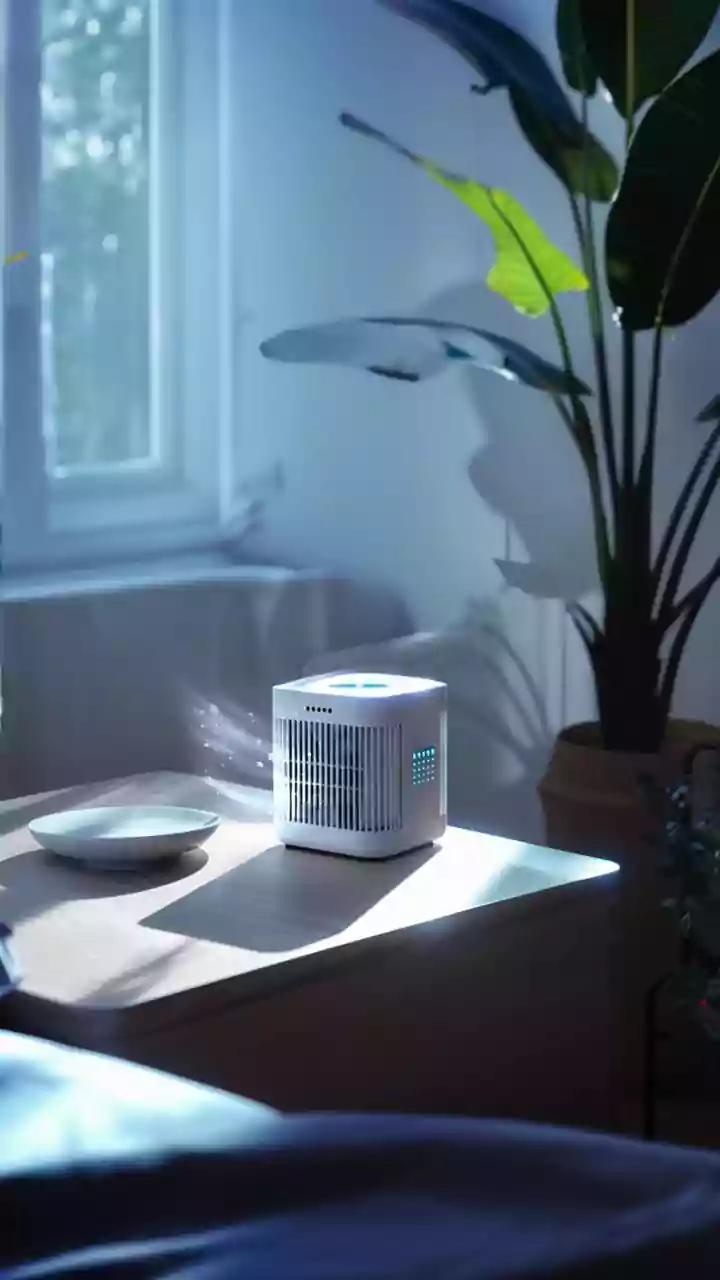
We spend up to 90% of our time indoors, yet we often overlook the quality of the air we breathe. Indoor air can be two to five times more polluted than outdoor air, containing everything from dust and pollen to volatile organic compounds (VOCs) from cleaning
products and furniture. This invisible pollution can lead to a range of issues, from headaches and fatigue to more serious respiratory problems and even cognitive deficits. Studies have shown that poor air quality can disrupt sleep and contribute to anxiety and depression. The solution starts with ventilation. Simply opening windows allows fresh air to circulate, diluting indoor pollutants. Using exhaust fans in kitchens and bathrooms is also crucial. For an extra boost, consider adding air-purifying plants like spider plants or peace lilies, which naturally filter toxins. Regular cleaning with a HEPA filter vacuum and maintaining your HVAC system can also make a world of difference.
Let in the Light
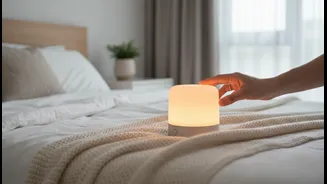
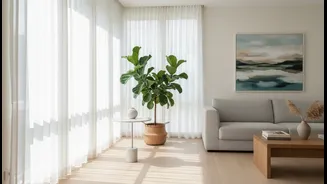
Natural light is a powerful, free mood booster. Exposure to sunlight helps our bodies produce serotonin, a hormone that promotes feelings of well-being and happiness. It also regulates our circadian rhythms, the internal clock that governs our sleep-wake cycle. Spending time in naturally lit spaces can reduce stress, anxiety, and even the risk of depression. In fact, a survey of office workers found that access to natural light was more desired than other perks, with many reporting it improved their mood and productivity. To maximise daylight in your home, keep windows clean and use sheer or light-filtering curtains instead of heavy drapes. strategically placing mirrors opposite windows can bounce light into darker corners, making a room feel larger and brighter. Painting walls in light, neutral colours also helps reflect sunlight throughout a space. When natural light is unavailable, opt for 'useful' artificial light—task lighting for focused work and warm-toned bulbs for a relaxing ambiance.
Clear Space, Clear Mind
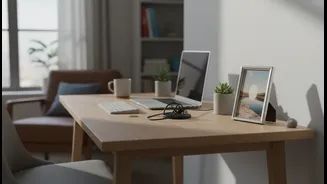
Clutter is more than just a physical mess; it's a mental one. A disorganised environment bombards our minds with excessive stimuli, which can increase cognitive overload, reduce working memory, and make it difficult to focus. Research has shown a direct link between clutter and elevated levels of the stress hormone cortisol. Living in a messy space can lead to feelings of frustration, helplessness, and even shame, which can worsen conditions like anxiety and depression. The act of decluttering, therefore, is a form of mental self-care. It calms the mind by reducing visual chaos and creating a sense of order and control. To avoid feeling overwhelmed, start small. Tackle one drawer, one shelf, or one corner of a room at a time. A popular method is the 'brain dump,' where you simply get all your thoughts and to-do items onto a piece of paper, clearing your mental space before you tackle your physical space. By consciously deciding what to keep, you reclaim your environment and create a more peaceful and productive life.