






The Sky-High Cost of Flying
It's not your imagination: domestic flights in India have become significantly more expensive. A combination of factors is at play, including rising Aviation Turbine Fuel (ATF) prices and a strengthening US dollar, which increases airline operating costs.
Airlines, in turn, pass these expenses on to passengers. Furthermore, strong demand, especially during festive seasons and for last-minute bookings, has led to dynamic pricing models that can push fares to eye-watering levels. A ticket booked at the last minute on a popular route can sometimes cost several times more than its usual price, turning what was once a quick, affordable hop into a major travel expense.
The Railway's Modern Makeover
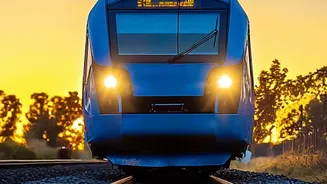
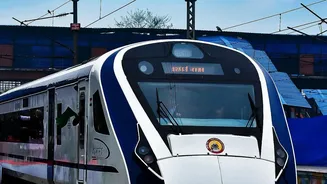
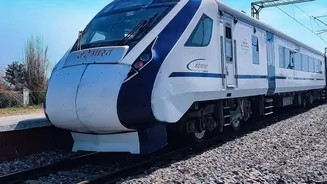
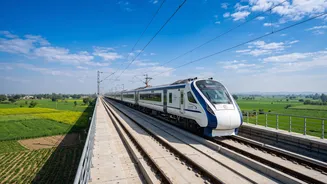
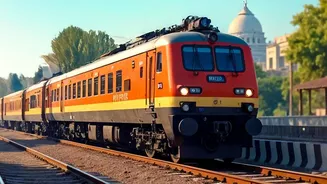
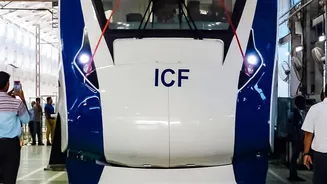
While air travel grapples with cost issues, Indian Railways has been undergoing a quiet revolution. The launch and expansion of the semi-high-speed Vande Bharat Express network is a game-changer, offering a vastly improved passenger experience that rivals air travel in many respects. These trains boast faster speeds, significantly cleaner interiors and washrooms, better legroom, and airplane-like amenities. This modernization is deliberately aimed at winning back middle-class travellers who had shifted to airlines for speed and comfort. The result is that for many, the train is no longer just a budget option, but a genuinely comfortable and efficient choice, especially for young and working-class professionals.
Rethinking Time and Cost
The classic 'flight is faster' argument is also being challenged, especially on short to medium-haul routes. While a flight from Delhi to Jaipur is technically shorter, the total travel time tells a different story. Factoring in the commute to an airport (often located far from the city centre), a recommended two-hour check-in and security process, and then travel from the destination airport, a one-hour flight can easily become a five-hour journey. Train stations, by contrast, are almost always centrally located. A Vande Bharat service on the same route can offer a city-centre to city-centre journey in a comparable amount of time, but with far less hassle and for a fraction of the cost. On some routes, the introduction of Vande Bharat has reportedly led to a drop in airfares as airlines compete.
The Experience Beyond the Ticket
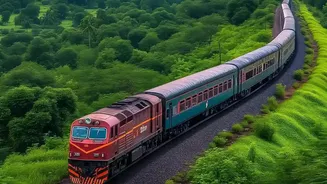
The conversation is shifting beyond just price. Train travel offers a different quality of experience. It allows for more generous baggage allowances without exorbitant fees—a major pain point for air travellers. The journey itself becomes part of the vacation, offering scenic views of the countryside instead of clouds. For those needing to stay connected, working on a laptop is far more comfortable on a stable train with spacious seating than in a cramped airline seat. Moreover, the environmental argument is compelling. Rail travel has a significantly lower carbon footprint than flying, producing as little as one-seventh of the CO2 emissions per passenger. For the eco-conscious traveller, choosing the train is a meaningful way to reduce their environmental impact.
Who Is Making the Switch?
The renewed interest in train travel is not limited to one type of traveller. While budget-conscious families and students remain a core demographic, business travellers on routes under 800 kilometres are finding that the productivity and city-centre convenience of trains like the Vande Bharat outweigh the raw speed of a flight. For long-distance journeys, the choice can still be complex. A first-class AC train ticket can sometimes approach the cost of a flight, but travellers with heavy luggage or pets often find the train is still the more practical and economical option overall. Ultimately, the decision is becoming less automatic and more nuanced, with travellers now actively weighing the door-to-door time, total cost, and overall experience before booking.