




A New Strategy for the Red Planet
For decades, NASA’s Jet Propulsion Laboratory (JPL) has masterfully designed and operated Mars rovers, from the trailblazing Sojourner to the sophisticated Perseverance. But the planet's most intriguing scientific targets often lie in treacherous places—steep
crater walls, rocky fields, and regions inaccessible to current six-wheeled rover designs. To bridge this gap, NASA has launched the Science Transport and Robotic Innovation for Deployment and Exploration (STRIDE) initiative. Instead of developing everything in-house, the agency is investing approximately $17 million in seven companies, tasking them with creating novel concepts for both ground and aerial vehicles. This public-private partnership model is designed to foster a wider array of innovative solutions, accelerating the development of technologies needed for more ambitious future missions.
The Seven Companies Leading the Charge
The contracts have been awarded to a diverse group of aerospace and robotics firms, each bringing unique expertise to the challenge. The selected companies are AeroVironment, Astrobotic, Venturi Astrolab, Ground Control Robotics, Honeybee Robotics, Intuitive Machines, and MEI Technologies (now part of Aegis Aerospace). Many of these names are already established players in the space industry. For instance, AeroVironment built the groundbreaking Ingenuity Mars Helicopter, while Intuitive Machines and Astrobotic have been key players in NASA's commercial lunar payload services. Honeybee Robotics has a long history of developing planetary drills and robotic tools for NASA. This blend of veteran experience and focused innovation is central to the STRIDE program's goals.
Tackling Tough Terrain on the Ground
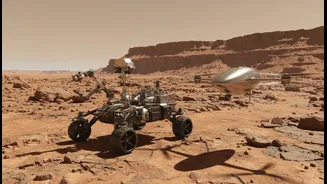
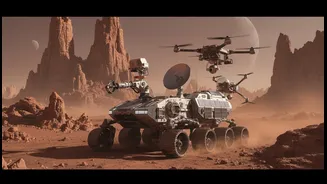
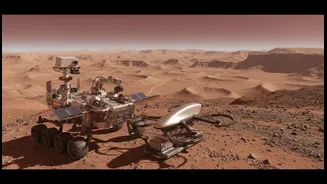
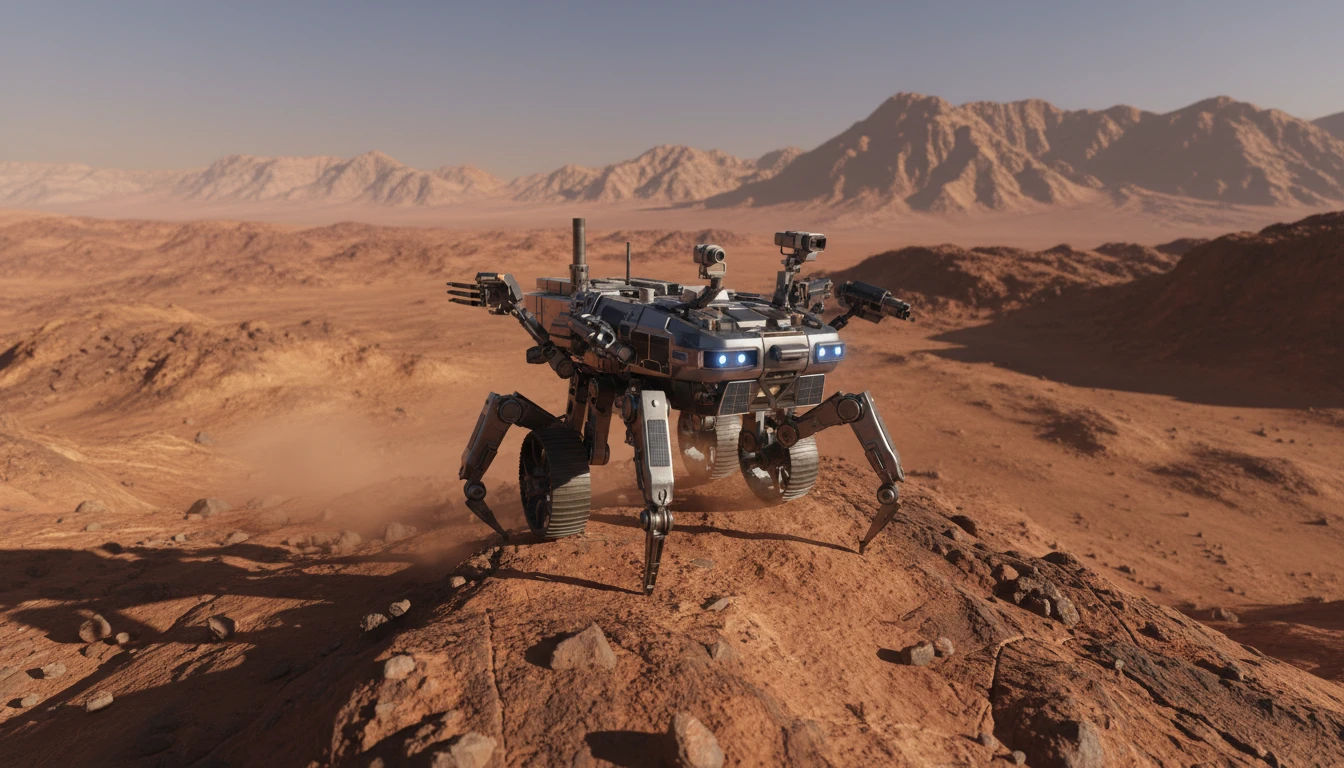
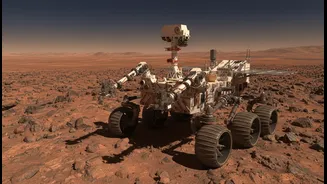
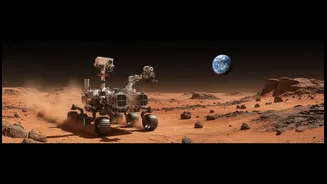
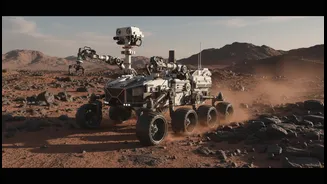
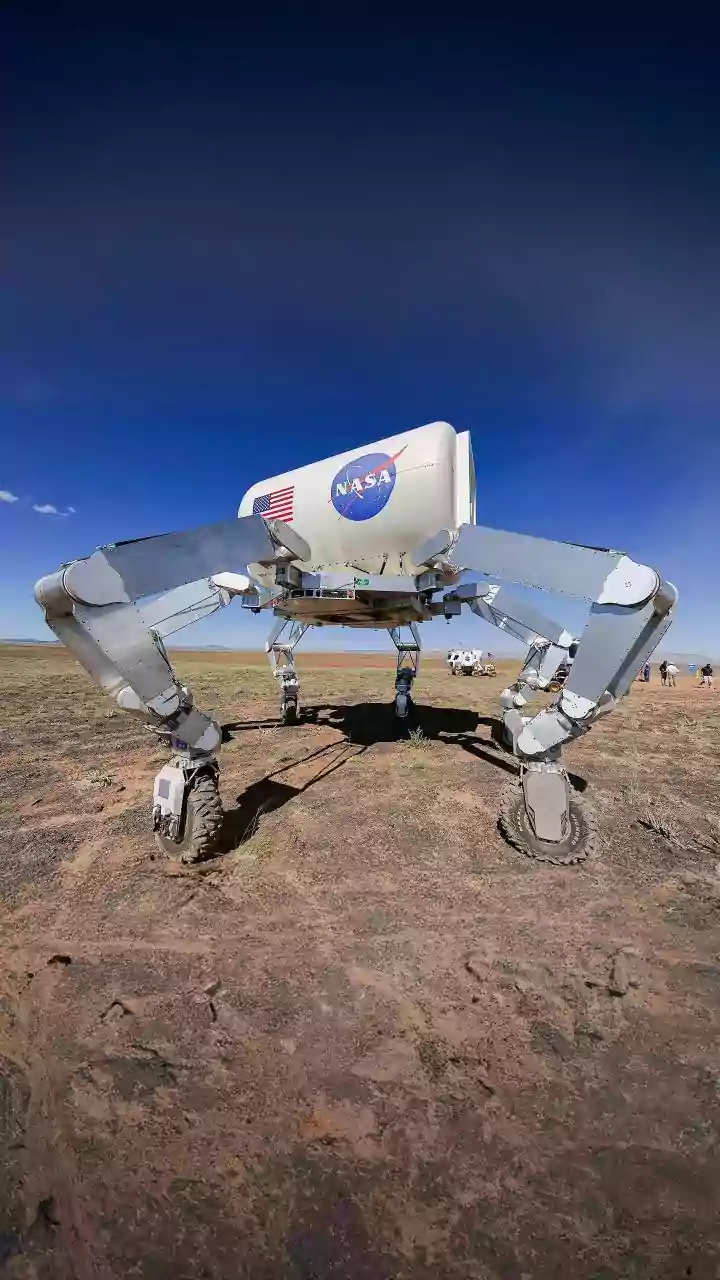
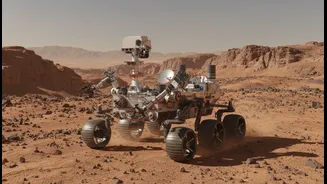
A primary focus of the STRIDE initiative is developing rovers that can go where Perseverance and Curiosity cannot. Current rover designs, while robust, can struggle with steep slopes or very rough ground. The new contracts will likely explore concepts seen in recent prototypes, such as JPL's own ERNEST rover, which features an active suspension system that allows it to lift its wheels individually to clamber over obstacles. Other concepts, like the transforming DuAxel rover, are designed to split in two, with one part anchoring itself while the other rappels down a cliff on a tether. By funding multiple companies, NASA is encouraging different approaches to these mobility challenges, from novel wheel and suspension systems to entirely new forms of legged or hybrid locomotion. The goal is to create robots capable of conducting a 'science road trip' across the Martian landscape.
The Future of Martian Flight
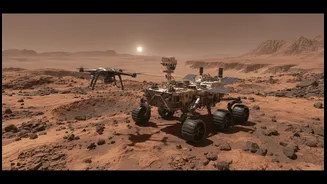
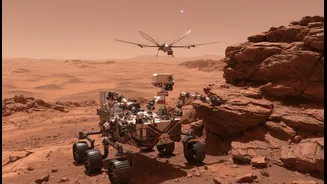
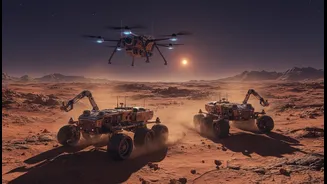
The incredible success of the Ingenuity helicopter, which completed dozens of flights despite being a technology demonstration, proved the value of an aerial perspective on Mars. The STRIDE contracts aim to build on this legacy, developing more capable drones for future missions. These next-generation helicopters will need to be larger, carry scientific instruments, and potentially be deployed in new ways. One related mission concept, known as SkyFall, envisions deploying a trio of helicopters from an aeroshell in mid-air, allowing them to survey a wide area. Companies like AeroVironment, the original creator of Ingenuity, are now positioned to design the next evolution of Martian aircraft that can fly further, longer, and with more scientific purpose.
Why This Matters for Future Exploration
These seven contracts represent more than just an investment in new hardware; they signify a strategic shift in preparing for the future of Mars exploration, including eventual human missions. Robots that can navigate difficult terrain autonomously are essential for scouting landing sites, prospecting for resources like water ice, and supporting human crews on the surface. By developing a commercial market for these advanced mobility systems, NASA not only solves its own exploration challenges but also cultivates an industrial base that can serve future private and public missions to Mars and beyond. The technologies born from these design studies, set to begin in the fall of 2026, will lay the groundwork for the next several decades of our journey across the Red Planet.