




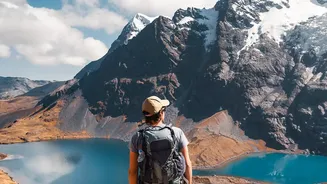
The Right Clothing: Think Quick-Dry, Not Cotton
The golden rule for monsoon trekking is to completely avoid cotton. Jeans, cotton t-shirts, and sweatshirts absorb moisture, take hours to dry, and can leave you feeling cold and chafed. Instead, build your wardrobe around synthetic, quick-dry fabrics.
Opt for lightweight, full-sleeved synthetic t-shirts and trekking pants. These materials wick moisture away from your skin, dry quickly, and offer protection from sun, insects, and scratches from overgrown trails. A layered approach is best. Carry a fleece jacket or a thermal layer for evenings, as temperatures can drop, especially at higher altitudes. Always pack a spare set of dry clothes in a sealed dry bag. Having something warm and dry to change into at the end of a long, wet day is a non-negotiable comfort.
Essential Footwear: Grip is Everything
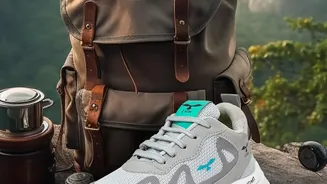
Your choice of footwear can make or break your monsoon trek. The terrain in the Western Ghats becomes notoriously slippery, with wet rocks, mud, and moss-covered paths. Regular sports shoes or sneakers lack the necessary grip and support. Invest in proper trekking shoes with high-ankle support and deep lugs on the outsole. High-ankle boots protect against ankle twists on uneven ground, while a soft rubber sole provides better traction on wet surfaces. While waterproof shoes sound ideal, they can sometimes trap water that gets in from the top, leaving your feet soaked. Many experienced trekkers prefer water-resistant, breathable shoes paired with waterproof socks. This combination allows water to drain while keeping your feet dry. Always break in new shoes before your trek to avoid painful blisters.
Rain Protection: Your First Line of Defence
You will get wet, but the goal is to manage the rain effectively. A good quality rain jacket or a poncho is absolutely essential. A poncho offers the advantage of covering both you and your backpack, providing better ventilation. A rain jacket, on the other hand, offers a snugger fit and better performance in windy conditions. Whichever you choose, ensure it is truly waterproof and not just water-resistant. Equally important is a rain cover for your backpack. While many bags come with one, double-check its quality. For ultimate protection, line the inside of your backpack with a large plastic bag before packing. Use smaller dry bags or zip-seal plastic pouches for electronics, wallets, and spare clothes to compartmentalise and ensure your essentials stay completely dry.
Health and Safety: The Leech and First-Aid Kit
The monsoon brings out leeches in the forests of the Western Ghats. While their bites are harmless and don't hurt, they can be unsettling and bleed profusely due to an anticoagulant they inject. To prevent bites, wear long trousers tucked into your socks. Anti-leech socks, which extend to the knee, are a worthwhile investment. Applying insect repellent containing DEET on your shoes and clothing can also deter them. If a leech attaches, don't panic or pull it off. Instead, use your fingernail to gently push its mouth sideways off your skin, or apply salt or sanitiser. Your first-aid kit should include antiseptic wipes, band-aids, blister tape, pain relief spray, and any personal medications. Due to the high humidity, even minor cuts can get infected easily, so clean any wounds promptly.
Gadgets and Gear: Staying Powered and Protected
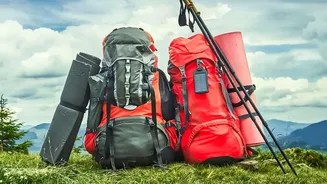
Protecting your electronics from constant moisture is a top priority. Use waterproof phone cases or pouches. For cameras, a dedicated rain sleeve is a good idea. Humidity can be as damaging as direct rain, so place silica gel packets inside your electronics bags to absorb moisture. A reliable power bank is a must-have, as power cuts can be common and you'll want to keep your devices charged for navigation and emergencies. A headlamp or torch with extra batteries is crucial, as trails can get dark quickly under a thick canopy or during heavy cloud cover. Finally, a pair of trekking poles can provide much-needed stability on slippery descents and reduce strain on your knees.