





From Mindless Munching to Mindful Choices
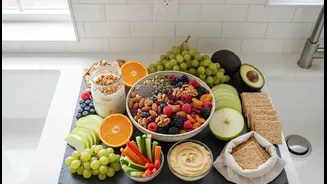
Snacking in India is no longer just about satisfying a midday craving with whatever is available. A significant shift is underway, moving consumers from thoughtless consumption to what experts call “intentional snacking”. This trend signifies a deeper
consideration of what is being eaten, why, and when. It’s a move away from simply filling a gap between meals and towards selecting snacks that serve a specific purpose—be it nutritional, emotional, or experiential. This shift is reshaping the entire snacks market, which is projected to grow significantly in the coming years. Recent consumer studies show that today's digitally-enabled Indian consumer is trading up from traditional, indulgence-focused snacks to options that align with their evolving lifestyle goals.
Health and Wellness as the Primary Driver
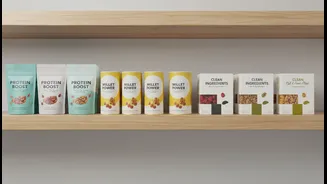
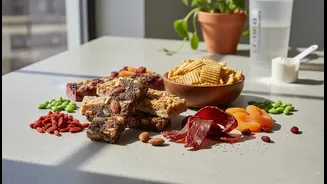
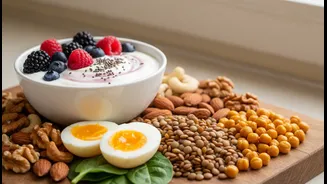
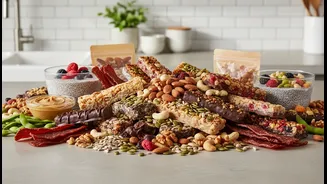
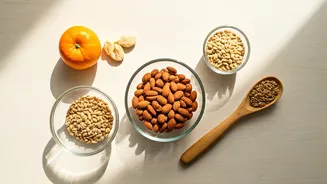
The single biggest force behind this change is a dramatic rise in health consciousness. A recent comprehensive report found that a staggering 86% of Indian consumers now consider protein an important factor when choosing a snack. This has moved protein from a niche concern for fitness enthusiasts to a mainstream nutritional expectation. Furthermore, there's a growing aversion to processed ingredients. The same report revealed that 61% of people prefer snacks sweetened with natural alternatives like jaggery or dates over refined sugar. This demand for “clean labels” and natural ingredients is pushing brands to reformulate their products. Consumers are actively seeking out snacks that are baked instead of fried, low in calories, or gluten-free, reflecting a broader awareness of lifestyle-related health issues.
Transparency Is the New Currency of Trust
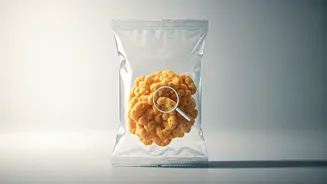
In this new era of conscious consumption, what’s on the back of the pack is becoming more important than the celebrity endorsing it on the front. A landmark 2026 survey of over 6,000 consumers found that 62% consider ingredient transparency the most crucial factor when selecting a snack brand. This significantly outweighs the influence of celebrity endorsements or influencer marketing. Consumers want to know where their food comes from, what goes into it, and its nutritional value. This demand for honesty is forcing brands to be more forthcoming, building trust through clear and detailed labelling rather than just catchy marketing slogans. This quest for transparency is a core component of intentional snacking, as consumers are arming themselves with information to make better choices.
How Brands Are Responding to the Shift
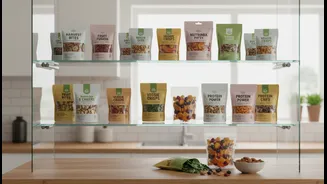
The Indian snack market is buzzing with innovation as companies race to meet these new demands. Legacy players are adapting by launching healthier variants of beloved classics, such as baked namkeens or snacks made with traditional grains like jowar and ragi. Simultaneously, the landscape has been energised by a wave of direct-to-consumer (D2C) brands. Companies like The Whole Truth, Yoga Bar, and Farmley have built their entire identity around clean labels, high-quality ingredients, and transparent communication. These nimble startups are leveraging online channels and quick commerce platforms to reach consumers directly, offering everything from protein bars and banana chips to premium nuts and seeds. This competitive pressure is not only providing consumers with more choice but also accelerating the pace of innovation across the industry.
The Future: Functional, Personalised, and Convenient
Looking ahead, the trend of intentional snacking is set to deepen. The market is seeing a rise in demand for functional foods—snacks designed to deliver specific benefits like boosting immunity, improving gut health, or even supporting women's health needs. There is growing interest in snacks formulated for specific nutritional requirements, with over half of women surveyed expressing interest in products tailored to their menstrual cycle needs. Convenience will also remain key, but with a twist. The rapid growth of quick commerce platforms means consumers expect to get their healthy snacks delivered in minutes, merging the need for both nutrition and immediacy. The future of the Indian snack aisle will likely be a showcase of purpose-driven products that are not just tasty, but also transparent, functional, and deeply aligned with the consumer’s personal wellness goals.