






The Building Blocks of Life
To understand why certain food pairings are so effective, we first need to talk about protein. Proteins are essential macronutrients that function as the primary building blocks for our bodies. They are crucial for repairing tissues, building muscle,
producing enzymes and hormones, and supporting overall immune function. Every protein is made up of smaller units called amino acids. There are 20 different amino acids, but nine of them are called 'essential amino acids'. Our bodies cannot produce these nine on their own, so we must get them from the food we eat.
Complete vs. Incomplete Proteins
This is where the concept of 'complete' and 'incomplete' proteins comes in. A food source is considered a complete protein when it contains all nine essential amino acids in sufficient quantities. Animal-based foods like meat, fish, eggs, and dairy are generally complete proteins. On the other hand, most plant-based foods are 'incomplete' proteins. This doesn't mean they are bad; it simply means they are low in one or more of the essential amino acids. For example, a food might be rich in eight essential amino acids but have a very low amount of the ninth.
The Grain and Legume Puzzle
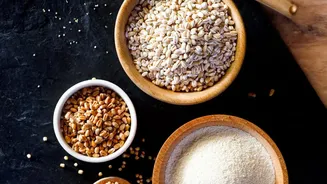
This brings us to two staples of the Indian diet: cereal grains and legumes. Cereal grains like rice and wheat are fantastic sources of energy and nutrients. However, they are typically low in one specific essential amino acid: lysine. Legumes—which include all our beloved dals (lentils), beans like rajma, and chickpeas (chana)—are nutritional powerhouses packed with protein and fibre. But they have their own gap; they are generally low in the essential amino acid methionine. Think of it like two puzzle pieces. Each one is a great shape, but incomplete on its own. Grains are missing lysine, and legumes are missing methionine.
How Pairing Creates Perfection
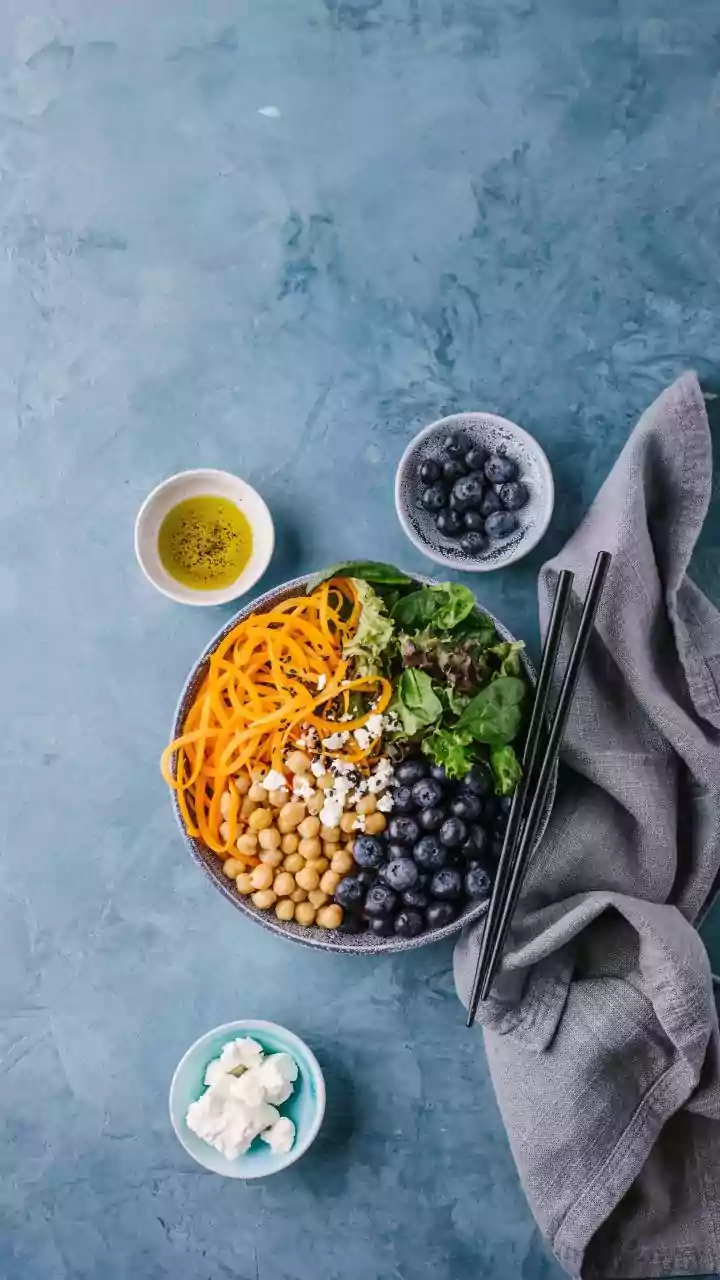
When you eat a cereal grain and a legume together, they complete each other. The lysine from the dal fills the gap in the rice, and the methionine from the rice fills the gap in the dal. This combination, known as protein complementarity, creates a meal with a complete amino acid profile, providing your body with all the essential building blocks it needs, similar to what you would get from an animal protein source. This is the nutritional magic behind classic combinations enjoyed across India and the world, such as dal with rice, rajma with chawal, hummus with pita bread, and beans with tortillas.
Traditional Wisdom, Modern Science
For generations, Indian meals have intuitively followed this principle. A plate of masoor dal and brown rice isn't just a flavourful combination; it's a scientifically sound way to ensure you're getting high-quality protein. The same goes for idli or dosa, which are made from a fermented batter of rice (a grain) and urad dal (a legume). Khichdi, often seen as simple comfort food, is another perfect example of combining a cereal with a pulse to create a nutritionally complete and easily digestible meal. This age-old wisdom has now been validated by modern nutritional science.
What Are Protein Quality Scores?
Scientists use methods to measure how well a protein can be used by the body. One of the most common is the Protein Digestibility Corrected Amino Acid Score (PDCAAS). This score evaluates a protein based on its amino acid profile and how easily it can be digested. The scale runs from 0 to 1.0, with 1.0 being the highest possible score, indicating that the protein provides 100% or more of the essential amino acids required by the body after digestion. While single plant sources often have lower scores, combining them, like rice and beans, significantly boosts the overall protein quality of the meal, bringing the score closer to the ideal 1.0.