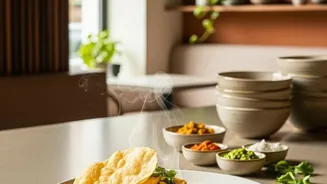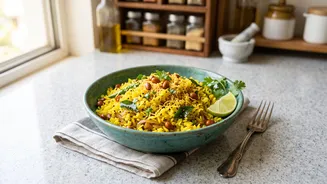



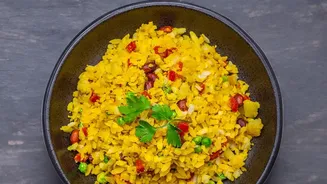
A beloved breakfast and snack across India, poha is celebrated for its simplicity and comfort. But this humble flattened rice is also a culinary chameleon, transforming from one state to the next. Here’s a journey through its delicious regional avatars.
The Everyday Classic: Maharashtrian Kanda Poha
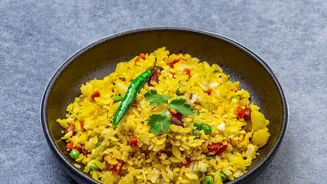
This is perhaps the most widely recognized version, a staple in countless homes. 'Kanda' means onion, and it's the star of this simple, savoury preparation. The poha is lightly soaked and then tossed with sautéed onions, mustard seeds, curry leaves, and often chunks of potato ('batata'). Turmeric gives it a signature yellow hue, while roasted peanuts provide a satisfying crunch. A final squeeze of lemon and a garnish of fresh coriander cut through the richness, making it a perfectly balanced and comforting meal to start the day. It's quick, reliable, and embodies the soul of home-cooked Maharashtrian food.
The Street Food Star: Indori Poha
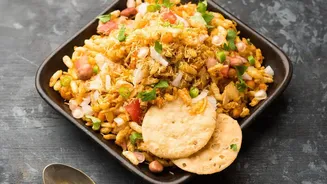
Hailing from Indore, Madhya Pradesh, this version is a street food legend with a unique flavour profile. Unlike its Maharashtrian cousin, Indori Poha is gently steamed, which results in an exceptionally soft and fluffy texture. The magic lies in the use of fennel seeds (saunf) in the tempering and a special spice blend called 'jeeravan masala' sprinkled on top. It's the toppings that truly define it: a generous helping of crunchy sev, finely chopped raw onions, and vibrant pomegranate seeds. Often served with a sweet jalebi on the side, it offers a delightful play of sweet, spicy, and tangy notes in every bite.
The No-Cook Wonder: Dadpe Pohe
From the Konkan coast of Maharashtra comes this ingenious preparation that requires no cooking. 'Dadpe' means 'to press', and that's the core technique here. Thin poha is mixed with finely chopped onion, fresh grated coconut, coriander, and lemon juice. The mixture is then covered and pressed down, allowing the moisture from the onions and coconut to soften the rice flakes naturally. A hot tempering of oil, mustard seeds, and asafoetida is poured over the top just before serving, infusing the dish with aroma and flavour. The result is a light, refreshing, and almost salad-like dish, perfect for warm days.
The Tangy Southern Twist: Puli Aval
In South India, particularly Tamil Nadu, poha (known as 'aval') often takes on a tangy character. Puli Aval, or tamarind poha, is a prime example. Here, the flattened rice is soaked in a spiced tamarind extract, which infuses every flake with a distinct sourness. The dish is then prepared with a classic South Indian tempering of mustard seeds, urad dal, chana dal, red chillies, and curry leaves. Peanuts add crunch, while a hint of jaggery can be used to balance the tanginess. It’s a flavour-packed dish that beautifully showcases the region's love for bold tastes.
The Sweet & Savoury Blend: Karnataka's Gojju Avalakki
Karnataka offers a unique take called Gojju Avalakki or Huli Avalakki, which translates to a poha with 'gravy' or 'sourness'. This dish masterfully combines sweet, spicy, and tangy flavours. A special paste or 'gojju' is made from tamarind, jaggery, and a regional spice powder like sambar or rasam powder. The poha is mixed into this flavourful base, absorbing all the complex notes. Unlike drier preparations, Gojju Avalakki is moist and packed with an intense taste, making it a memorable breakfast or snack option for those who enjoy a true flavour explosion.
The Comforting Dessert: Sweet Poha
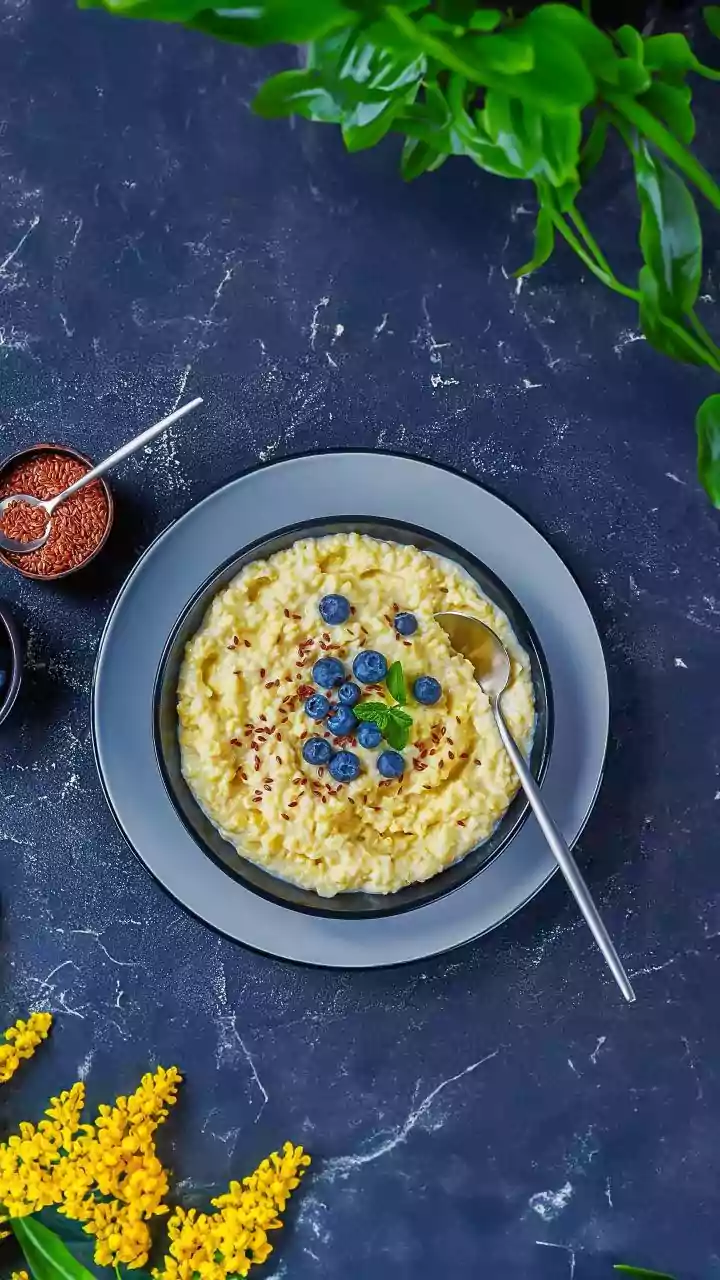
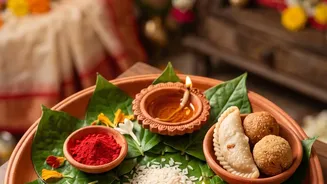
Poha isn't just for savoury dishes; it also shines in sweet preparations. Known by various names like Vella Aval or Aval Varatti in the South, this simple dessert is a festive favourite, especially during Janmashtami, as poha is said to be a favourite of Lord Krishna. The most common method involves mixing poha with jaggery, freshly grated coconut, and a hint of cardamom powder. Ghee-roasted cashews and raisins are often added for richness. It can be served as a soft, warm mixture or rolled into ladoos, offering a simple than wholesome than divine end to a meal.