
![[WATCH] Dewald Brevis smashes outrageous no-look six during London Spirit's successful chase against MI London in The Hundred 2026](https://g-mob.glance-cdn.com/public/dynamic/720x1280/4bd082400cc07368f409305049c963ede3a7e300.webp)


Two Titans, One Global Game
Think of FIFA (Fédération Internationale de Football Association) as the world government of football. It oversees the game globally, represents 211 national associations, and organises the World Cup. UEFA (Union of European Football Associations) is a continental
confederation, but it’s the most powerful one. It governs football in Europe, home to the wealthiest leagues, the most famous clubs, and the majority of the world's top players. This unique dynamic, where a regional body holds immense financial and competitive power, sets the stage for a natural rivalry. The current presidents, Gianni Infantino of FIFA and Aleksander Čeferin of UEFA, are the main characters in this ongoing drama, with their relationship often described as tense and competitive.
The Latest Flashpoint: Selling the World Cup?
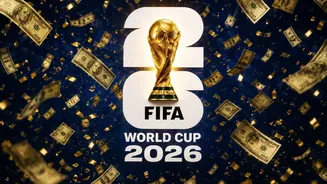
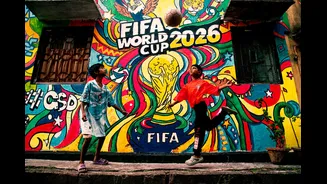
The long-simmering tensions have reached a boiling point in late July 2026. Reports emerged that FIFA is planning to create a new commercial entity to manage its main competitions and sell stakes to private investors. This proposal, which FIFA claims could generate over $10 billion for football development worldwide, was met with immediate and furious opposition from UEFA. In a strongly worded statement, UEFA declared that FIFA’s plan "crosses a line," arguing that "the soul and governance of football are not assets to trade." The European body has called an emergency meeting of its 55 member nations, with the threat of boycotting FIFA competitions, including the World Cup, now a serious possibility.
A War Over Money and Power
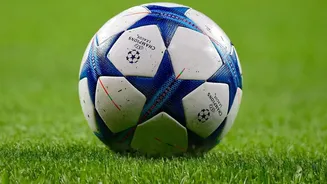
At its heart, the conflict is about money and control. FIFA earns the vast majority of its revenue from the men's World Cup every four years. To increase its financial muscle and influence in the far more regular and lucrative world of club football, FIFA has pushed for new or expanded tournaments, like the 32-team Club World Cup. This move is seen by UEFA as a direct threat to its own crown jewel, the UEFA Champions League, which is the most prestigious and profitable annual club competition in the world. Every new FIFA tournament requires space in an already-packed calendar, putting more strain on players and pulling attention and revenue away from UEFA's established events.
A Clash of Philosophies
The two organisations also represent different philosophies. FIFA, under Infantino, promotes a vision of global football democracy, aiming to distribute revenue to its 211 members and give more nations a chance to compete on the world stage. This is how it justifies expanding tournaments and seeking massive investment deals—to fund development in smaller footballing nations from Vanuatu to the Central African Republic. UEFA, on the other hand, often acts as a guardian of the European sports model, prioritising the interests of its powerful member leagues, protecting player welfare from an overloaded calendar, and maintaining the prestige of its elite competitions. These differing worldviews often lead to what UEFA has called a fight for football's soul.
What Could Happen Next?
The situation is volatile. UEFA’s threat to boycott the World Cup is the most powerful weapon in its arsenal. Without European teams, which comprised six of the eight quarter-finalists at the recent 2026 World Cup, the tournament’s credibility and commercial value would plummet. We have seen this threat work before; in 2021, UEFA's opposition was key in forcing FIFA to abandon a controversial plan to hold the World Cup every two years. A full-blown split remains unlikely, as both sides ultimately need each other. However, the current standoff is more than just a disagreement. It's a fundamental battle for control that will shape how football is organised, funded, and played for decades to come.