

The End of an Era
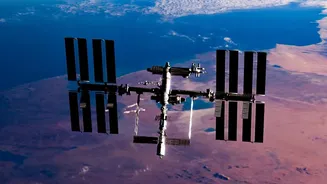
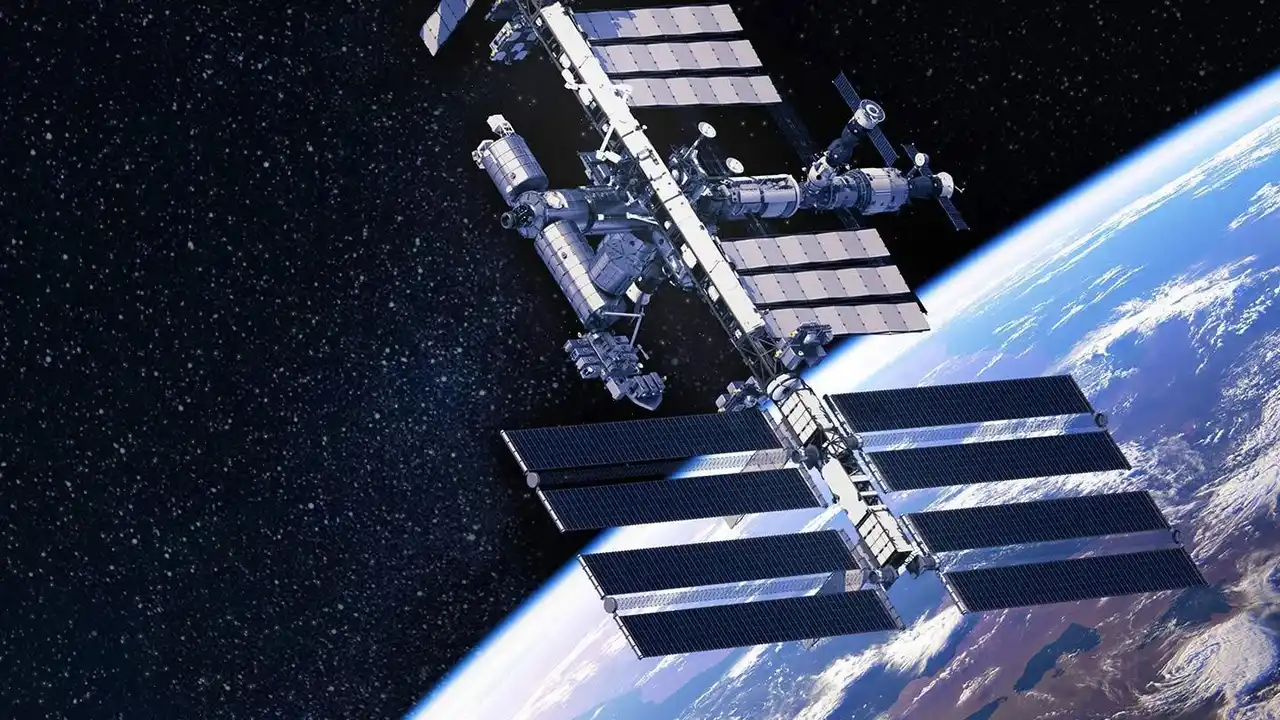
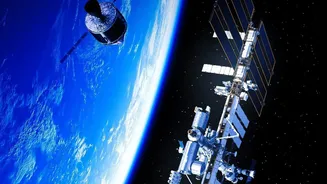
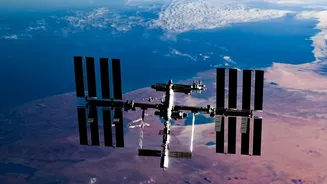
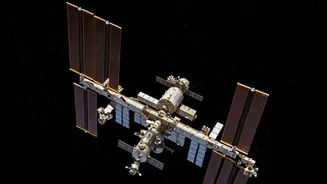
The International Space Station stands as one of modern engineering's greatest achievements, a symbol of global cooperation that has been continuously inhabited since November 2000. However, the station is aging. Its operational life is winding down,
and NASA has laid out a plan for its retirement. Around the end of the decade, the ISS will undergo a controlled deorbit, burning up over a remote stretch of the Pacific Ocean. This move is not an end to human presence in low-Earth orbit (LEO), but rather the beginning of a new strategy. Instead of building another government-owned station, NASA is turning to the private sector to build the next generation of orbital habitats. This transition is expected to save the agency over a billion dollars annually, funds that can be redirected toward more ambitious goals like missions to the Moon and Mars under the Artemis program.
NASA's New Role: Anchor Tenant
NASA's strategy hinges on its Commercial Low-Earth Orbit Destinations (CLD) program. Through this initiative, the agency is not buying and operating the new stations, but instead acting as a primary customer, or "anchor tenant." By providing funding and technical support, NASA is helping several private companies develop their own space stations. The goal is to create a competitive marketplace in orbit where NASA can purchase services like crew time and research access. This model is based on the success of its commercial crew and cargo programs, which saw companies like SpaceX and Boeing take over the job of transporting astronauts and supplies to the ISS. By fostering multiple commercial providers, NASA ensures there is no gap in U.S. presence in LEO after the ISS is gone and stimulates a new, self-sustaining space economy.
The Commercial Contenders
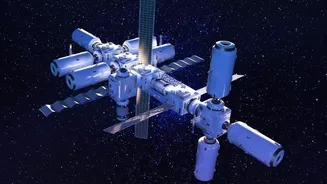
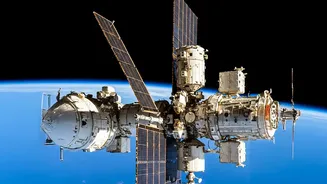
Several companies are racing to build the first commercial successors to the ISS. Axiom Space is a prominent player, with a unique plan to first attach its modules to the ISS. The first habitat module is scheduled to launch around 2027 or 2028. These modules will eventually detach to form the free-flying Axiom Station. Another major venture is Starlab, a joint project between US-based Voyager Space and European aerospace giant Airbus. Starlab is being designed as a dedicated science and research hub, with plans to launch in a single flight as early as 2029. The field also includes Blue Origin and Sierra Space's Orbital Reef, envisioned as a "mixed-use business park" in space for research, manufacturing, and tourism. Finally, the startup Vast aims to be first with its smaller Haven-1 station, targeting a launch in early 2027.
A New Marketplace in Orbit
These new commercial outposts are designed to be more than just science labs. Their business models depend on serving a wide range of customers beyond just NASA. This new orbital economy could include activities like in-space manufacturing of unique materials, from fiber optics to bioprinted organs. It also opens the door to space tourism, private astronaut missions, and even media and entertainment projects. Companies like Axiom Space are already flying private missions to the ISS, proving the demand exists. Orbital Reef's concept of a space business park explicitly targets a diverse clientele, offering end-to-end services including transportation and logistics. This shift promises to make access to space more affordable and available to a broader array of countries, companies, and individuals than ever before.
Challenges on the Horizon
The transition to a fully commercialized LEO is not without its hurdles. The financial case for these multi-billion dollar ventures is still developing, and there have been some course corrections. In early 2026, NASA briefly considered a change in strategy before industry pushback reaffirmed the original plan to support free-flying private stations. There have also been reported tensions between partners, such as those on the Orbital Reef project, highlighting the complexities of such ambitious collaborations. The primary challenge is timing. At least one of these commercial stations must be fully operational before the ISS is deorbited to prevent a gap in American access to space. This puts immense pressure on the companies to meet their ambitious development and launch schedules in the coming years.