





Breaking Down the Milestone
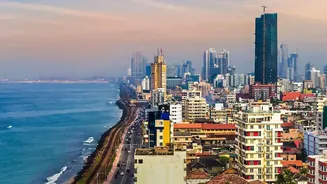
The latest figures from August 2026 show an 11% increase in property registrations compared to the same month last year. This performance is the best for any August in over fourteen years, signaling robust and sustained interest from homebuyers. Beyond
just the volume of sales, the state government's revenue from stamp duty also saw a significant 12% year-on-year jump, reaching ₹1,123 crore. While these numbers represent a slight dip from an exceptionally strong July, the annual growth underscores a powerful trend: despite high property values, Mumbaikars are actively investing in real estate.
What's Fuelling the Property Boom?
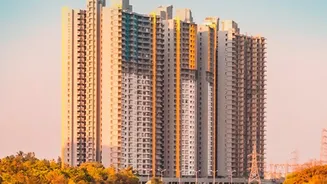
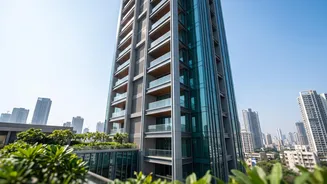
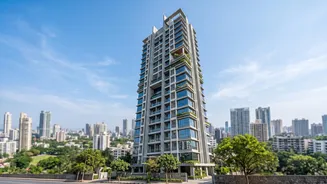
Several factors are converging to create this buoyant market. A primary driver is sustained end-user demand. Following the pandemic, the preference for homeownership over renting has solidified, with buyers seeking more security and better amenities. This is supported by a stable economic environment and buyer confidence. Furthermore, a significant portion of new housing supply now comes from redevelopment projects. With a scarcity of open land, rebuilding older structures has become a crucial source of modern homes in well-established locations, and buyers are showing a strong preference for them. Major infrastructure upgrades, like the expanding Metro network and improved road connectivity, are also making previously overlooked areas more attractive and accessible.
A Shift Towards Premium Homes
While the market is hot, the growth isn't uniform across all segments. Data from the first half of 2026 indicates a noticeable shift towards higher-value properties. The market share of homes priced between ₹1-2 crore and ₹2-5 crore has grown, while the share of homes under ₹50 lakh has decreased. This suggests that the current momentum is partly driven by buyers with larger budgets who are looking for bigger homes, better locations, and more premium amenities. Experts note that buyers are becoming more discerning, prioritizing quality construction and projects by reputable developers with a good track record of delivery. This trend highlights a growing gap in the market, as affordability remains a significant challenge for many prospective homebuyers.
The Ripple Effect and Future Outlook
A thriving real estate market has a cascading effect on the broader economy. It stimulates over 250 ancillary industries, including cement, steel, home loans, furniture, and electronics, creating jobs and boosting consumption. The strong stamp duty collections also provide a vital revenue stream for the state government. However, the key question is whether this momentum is sustainable. While demand remains strong, the rise in property prices, which increased by about 4% on average in the first half of the year, could price out a significant portion of the population. Industry experts believe the market's long-term health will depend on continued economic growth, stable interest rates, and a focus on project execution to ensure that stalled projects are completed and homebuyers' investments are protected.