






Why Your Body Needs a Monsoon Diet
The monsoon season brings welcome relief from the summer heat, but the increased humidity and dampness create a breeding ground for germs, leading to a higher risk of infections. [13, 25] The shift in weather can weaken our immune system and slow down
digestion. [24, 29] This is where eating seasonally comes in. Traditional Indian wisdom, backed by modern nutrition, suggests adapting our diet to support the body's needs. Consuming specific foods during this season helps boost immunity, improve digestion, and combat common ailments like the cold, flu, and stomach issues. [21, 24]
The Golden Spice: Turmeric
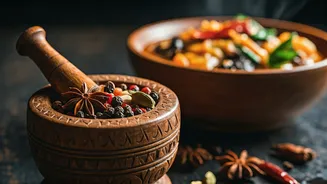
A staple in every Indian kitchen, turmeric (haldi) is a powerhouse of health benefits, especially during the monsoon. [14] Its active compound, curcumin, has potent anti-inflammatory and antioxidant properties that help strengthen the immune system against infections. [14, 28] A warm glass of turmeric milk or adding a generous pinch to your soups and curries can help fight off germs and reduce inflammation. [23, 28] For better absorption, it's often recommended to consume turmeric with a little black pepper. [14]
The Warming Root: Ginger
Ginger (adrak) is another kitchen hero that shines during the rainy season. Known for its warming effect, it is excellent for combating colds, coughs, and sore throats. [25] Gingerol, its main bioactive compound, possesses powerful antimicrobial and anti-inflammatory properties. [25, 28] It also acts as a digestive aid, helping to relieve bloating and indigestion, which are common complaints during this humid season. [26] A cup of hot ginger tea is not just comforting; it’s a potent immunity booster. [25]
Seasonal Bounty: Jamun and Pomegranate
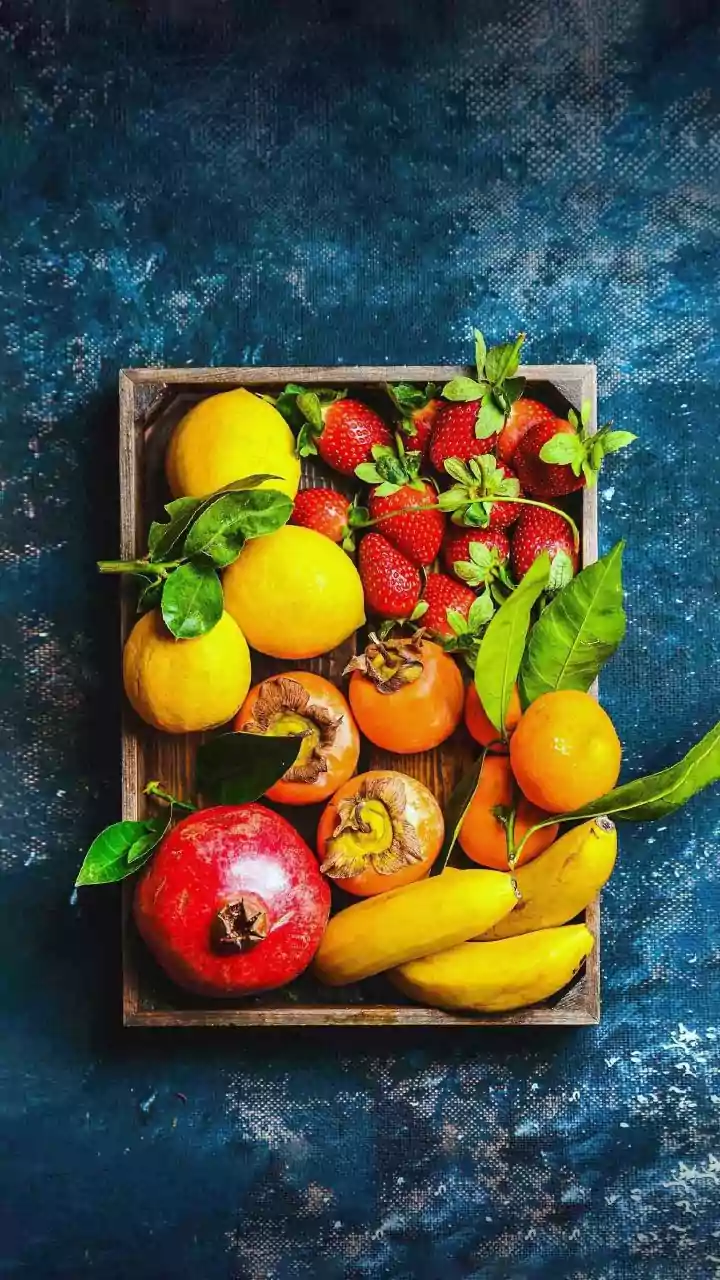
Monsoon brings a bounty of seasonal fruits, with Jamun (black plum) being a standout star. This deep purple fruit is packed with Vitamin C and antioxidants, which are crucial for fighting infections. [3, 6, 7] It is also known to be great for digestive health and helps in regulating blood sugar levels, making it a low-glycemic index fruit. [3, 8] Pomegranate is another excellent choice, rich in antioxidants and Vitamin C that help improve blood circulation and protect the body from colds and flu. [2, 4, 20]
The Street-Side Staple: Corn
The sight of roasted corn (bhutta) is synonymous with monsoon in India, and for good reason. [29] This humble snack is not just delicious but also incredibly healthy. Corn is high in fibre, which aids digestion and feeds the good bacteria in your gut. [12, 29] It is also a good source of essential vitamins and minerals that help strengthen the immune system. [12, 30] Whether roasted, steamed, or boiled, corn is a versatile and nutritious addition to your monsoon diet. [12, 29]
Gut-Friendly Probiotics: Curd and Buttermilk
Gut health is paramount during the monsoon, as digestive systems can become sluggish. Probiotic-rich foods like curd (dahi) and buttermilk (chaas) are essential for maintaining a healthy balance of gut bacteria. [5, 17] A healthy gut microbiome is directly linked to a strong immune system. [27] Including these fermented foods in your daily diet can help prevent common digestive issues like bloating and indigestion, while also enhancing your body's ability to fight off pathogens. [5, 11]