



Understanding 'Local Conditions'
When planning a trip to North Sikkim, 'local conditions' is the most important phrase to understand. It's a catch-all for the region's unpredictability. Due to its extreme altitude and sensitive border location, travel is subject to weather, road status,
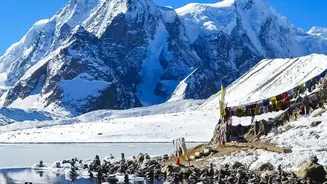
and army regulations. Heavy rainfall, especially during the monsoon (July-September), can trigger landslides that shut down highways for days. In winter (December-February), heavy snowfall frequently blocks access to high-altitude destinations like Gurudongmar Lake and Zero Point. As of mid-November 2026, recent heavy rains have caused fresh disruptions, with authorities advising caution and sometimes pausing travel until roads are fully restored. This means flexibility is not just a good idea; it's a requirement. Always have a backup plan and be prepared for your itinerary to change at a moment's notice.
The Mandatory Permit System
You cannot simply drive into North Sikkim. All visitors, including Indian nationals, need a Protected Area Permit (PAP) to travel beyond Mangan. These permits are not issued to individuals for self-drive trips. Instead, you must book your tour through a Sikkim-registered travel operator, who will arrange the necessary permits, vehicle, and driver. This is a legal requirement for safety and to monitor movement in this border-adjacent region. To get a permit, you'll need to provide copies of a valid government photo ID (Voter ID or Driving Licence are best, as Aadhaar is often not accepted) and several passport-sized photographs. The entire process is handled by your tour agent, usually a day or two before your departure from Gangtok.
A Classic Six-Day Itinerary
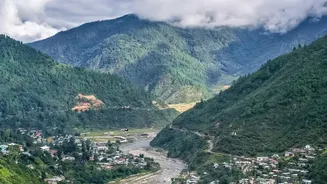
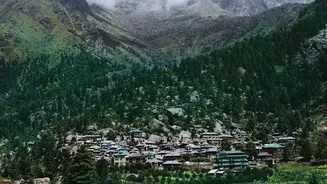
This popular itinerary provides a framework for exploring North Sikkim, with the built-in assumption that conditions will allow it. Most tours start from Gangtok.Day 1: Gangtok to Lachen (Approx. 120 km / 6 hours)The journey itself is an event, a scenic drive that climbs towards the high Himalayas. You'll pass waterfalls and the confluence of rivers at Chungthang, where the road forks to Lachen and Lachung. Lachen, at an altitude of about 8,800 feet, serves as your base for Gurudongmar Lake. The evening is for acclimatising.Day 2: Lachen to Gurudongmar Lake, then to Lachung (Approx. 45 km to Lachung)This is a day of extreme altitudes. The trip to Gurudongmar Lake starts before dawn, around 4 AM, to ensure you reach the lake in the morning when the weather is most stable. At 17,800 feet, the air is thin and the cold is intense. After a short visit, you descend back to Lachen for lunch and then drive to the village of Lachung, a picturesque settlement that will be your base for Yumthang Valley.
Exploring Valleys and Returning
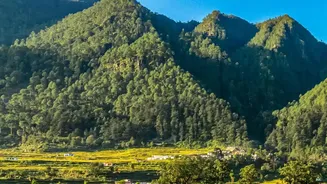
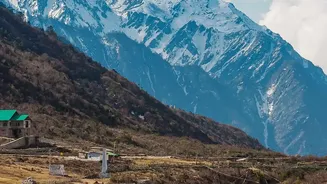
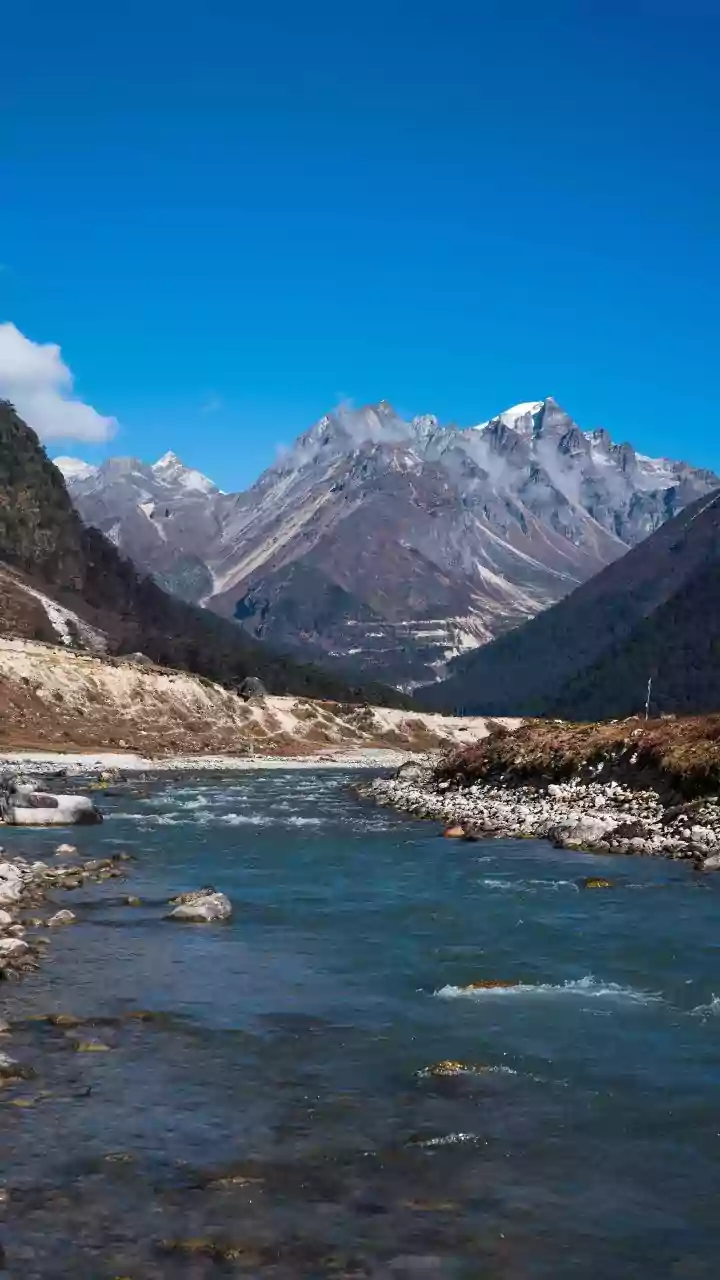
Day 3: Lachung to Yumthang Valley (Approx. 25 km)After breakfast, you'll drive to Yumthang Valley, Sikkim's 'Valley of Flowers'. At about 11,800 feet, it's a stunning landscape of meadows and the winding Lachung River, framed by mountains. Depending on road and permit status, many tours offer an optional extension to Zero Point (Yumesamdong), which is at an even higher altitude and often covered in snow. You'll return to Lachung for the night.Day 4: Lachung to Gangtok (Approx. 115 km / 6-7 hours)This is a long travel day, retracing your route back down from the high mountains to the state capital. The drive allows you to soak in the views you might have missed on the way up. You'll arrive in Gangtok in the evening, ready for a hot meal and a comfortable bed.Day 5: Rest or Local Sightseeing in GangtokThis day acts as a useful buffer in case of delays returning from the north. If all has gone to plan, you can explore Gangtok's attractions, such as Tsomgo Lake and Baba Mandir (which requires a separate permit), or simply rest and shop on MG Marg.Day 6: DepartureThe trip concludes with your onward journey from Gangtok to Bagdogra Airport (IXB) or New Jalpaiguri (NJP) railway station for your departure.
Essential Travel Tips
To make your North Sikkim trip smoother, keep these points in mind. First, pack in layers. Weather can change from sunny to freezing in a matter of hours, and high-altitude areas are always cold. Carry sufficient cash, as ATMs are scarce to non-existent in Lachen and Lachung. Book your tour well in advance, especially during peak seasons (April-June and October-November). Finally, listen to your body. Altitude sickness is a real risk. Stay hydrated, avoid alcohol, and don't push yourself too hard. A night of acclimatisation in Lachen and Lachung is crucial before ascending further.