





The Myth of the 'Dirty' Dosa
There's a persistent, almost romanticised, belief among some food lovers that the most authentic local flavours come with a little bit of grime. It’s the idea that a street vendor’s unwashed hands or a well-worn, unscrubbed wok are the secret ingredients
to a perfect plate of chole bhature or a flavourful roll. This notion positions hygiene and authenticity as opposing forces, suggesting that to clean up street food is to sterilise its very character. But this is a false choice. The true magic of local cuisine lies in the recipes, the fresh ingredients, and the skill of the cook—not in a disregard for basic food safety. In reality, unhygienic conditions don't add flavour; they add risk, contributing to an estimated 100 million foodborne illnesses in India annually. The idea that great taste requires compromising on health is not just outdated, it’s dangerous.
A National Push for Safer Streets
Recognising the cultural and economic importance of street food, the Food Safety and Standards Authority of India (FSSAI) has been actively working to change this narrative. Initiatives like the 'Clean Street Food Hub' program are transforming popular food streets across the country. The project aims to upgrade infrastructure and train vendors in clusters, certifying hubs that meet specific benchmarks for sanitation and food handling. The process involves pre-audits, training sessions, and infrastructure improvements, often supported by private partners. This isn't about replacing traditional stalls with sterile chains; it's about empowering local vendors with the knowledge and resources to make their food safer. Through its Food Safety Training and Certification (FoSTaC) program, FSSAI has trained thousands of vendors on everything from personal hygiene to proper food storage and waste disposal. These efforts show a commitment to preserving the livelihood of vendors while building consumer trust.
Success Stories from the Ground
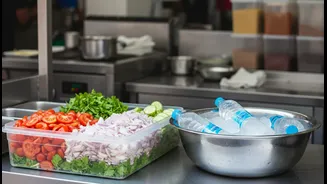
The results of these initiatives are already visible. Kankaria Lake in Ahmedabad became India's first certified 'Clean Street Food Hub', proving that a large collective of 66 vendors serving 1.2 crore people annually could successfully adopt higher hygiene standards. This involved everything from using food-grade stainless steel surfaces to implementing proper pest control and waste management. More recently, FSSAI has supported the launch of all-women-run clean food hubs, linking food safety with female empowerment and entrepreneurship. These hubs demonstrate that providing vendors with training and better facilities doesn't dilute the taste; it professionalises their craft. They prove that a vendor in a clean apron, using gloves and serving food from covered containers, can still deliver that authentic, lip-smacking flavour that customers crave.
How to Be a Smart Foodie
As a consumer, you also have a role to play in promoting this positive change. Being a discerning customer encourages more vendors to adopt better practices. Look for stalls that proudly display their FSSAI registration or license. Observe the vendor's habits: are they handling money and food separately? Are their utensils and cooking surfaces visibly clean? A busy stall with a high turnover of local customers is often a good sign, as it means food is being cooked fresh and not sitting out. Opt for food that is cooked to order and served piping hot. Be cautious with items that involve unboiled water, like some chutneys or juices, especially during monsoon. By choosing vendors who prioritise cleanliness, you not only protect your own health but also reward and encourage good practices, helping to lift the standards of the entire ecosystem.