






Tyres: Your First Line of Defence
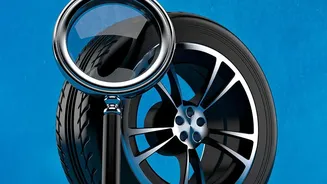
Your tyres are the only part of your car in contact with the road, making them critical for monsoon safety. Wet roads drastically reduce grip, and worn tyres increase the risk of aquaplaning—where your car essentially floats on a layer of water, leading
to a complete loss of control. Before your trip, check the tread depth. A tyre with less than 2-3mm of tread is not safe for wet conditions. Also, ensure your tyres are inflated to the manufacturer's recommended pressure. Underinflated tyres can cause aquaplaning, while overinflation reduces the contact patch with the road. Don’t forget to check the spare tyre as well.
Wipers and Windshield: For a Clear View Ahead
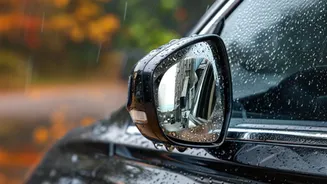
Visibility is paramount when driving in heavy rain. Wiper blades are made of rubber, which can harden and crack in the summer heat, rendering them ineffective. Before you leave, test your wipers. If they leave streaks, make squeaking noises, or fail to clear the water smoothly, replace them immediately. Top up your windshield washer fluid, preferably with a solution that helps repel rainwater and road grime. A clean windshield, both inside and out, is also crucial. The humidity can cause the inside of your glass to fog up, so make sure it's spotless before you start.
Brakes: The Ultimate Safety Net
Braking distance can increase by two to three times on wet roads. Your car's braking system needs to be in top condition to handle the extra demand. Listen for any squealing or grinding noises when you apply the brakes, as this is a sign of worn-out brake pads. If the brake pedal feels soft or spongy, it could indicate a problem with the brake fluid, which may have absorbed moisture. A pre-trip inspection by a qualified mechanic is the best way to ensure your brakes are ready for the monsoon challenge.
Lights and Electrics: See and Be Seen
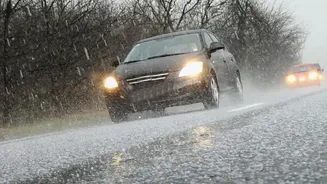
In a downpour, being visible to other drivers is as important as your own ability to see. Walk around your car and check that all your lights are working: headlights (both low and high beams), taillights, brake lights, and indicators. Headlights can become foggy or dim over time, reducing their effectiveness, so consider cleaning the lenses. Given the increased use of wipers, lights, and the defogger during the monsoon, it's also a good time to have your car's battery checked to ensure it's holding a proper charge and won't leave you stranded.
AC and Defogger: Comfort and Clarity
The significant temperature difference between the inside and outside of the car during a rainstorm causes your windows to fog up quickly. Your car's air conditioning system is the most effective tool to combat this. It removes moisture from the air inside the cabin, clearing your windshield. Test your AC to make sure it’s cooling effectively. Also, check that both the front and rear defoggers are working properly. A clogged cabin air filter can reduce airflow, so have it checked and replaced if necessary.
Create an Emergency Kit: Your Roadside Companion
Even with the best preparation, things can go wrong. A well-stocked emergency kit is essential for any road trip, especially during the monsoon. Your kit should include a tow rope, jumper cables, a first-aid kit, a powerful flashlight, a tyre inflator, and a puncture repair kit. It's also wise to pack extra food, water, a phone charger or power bank, and an umbrella. These items can provide a crucial safety net if you find yourself stranded in a remote area waiting for assistance.