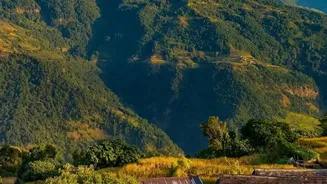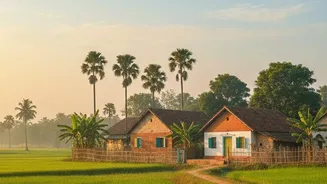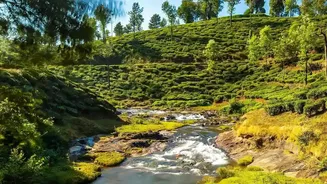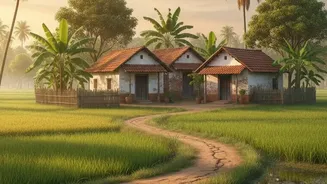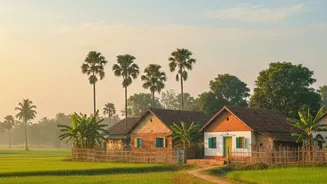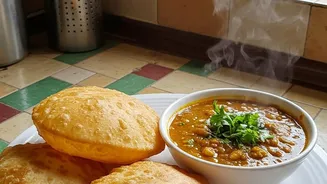




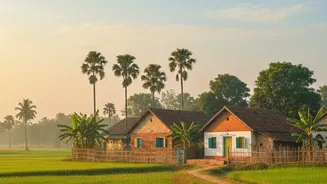
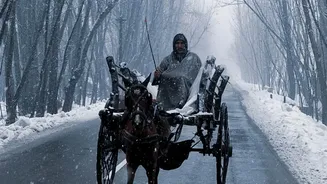

A quiet revolution is reshaping how Indians travel. Weary of crowded hotspots, travellers are seeking authentic experiences, driving a surge in village tourism that offers more than just a getaway—it offers a lifeline to local communities.
A Shift in the Traveller's Mindset
The great Indian
vacation is changing. While pilgrimages and social visits still dominate domestic travel, a new trend is emerging among leisure travellers. There is a growing hunger for experiences that feel real and rooted. Instead of just seeing sights, people want to connect with the local culture, landscape, and way of life. This quest for authenticity has led them off the beaten path and into the heart of rural India. Travellers are increasingly choosing homestays over hotels and swapping packed itineraries for slower, more immersive journeys that offer a genuine taste of the region's culture and heritage.
More Than a Vacation, It's a Partnership
Village tourism, often called community-based tourism, is fundamentally different from conventional travel. It's a model where the local community is at the centre of the experience—owning, managing, and directly benefiting from the tourism activities. Instead of tourism revenue flowing out to large corporations, it stays within the village, creating a sustainable ecosystem. This can take many forms, from staying in a family-run homestay to participating in a craft workshop or joining a community-led trek. The core idea is to create a fair and equitable exchange between the visitor and the host, ensuring tourism is a force for good.
The Homestay Model: A Direct Lifeline
The most powerful and widespread example of village tourism is the homestay. In states like Uttarakhand, Himachal Pradesh, and Sikkim, families have opened their homes to travellers, providing not just a room but an intimate cultural experience. This model provides a direct and significant source of income for rural families, particularly empowering women who often manage the hospitality. This financial stability has a ripple effect, funding better education and healthcare. Moreover, it creates local jobs for guides and cooks, reducing the need for villagers to migrate to cities for work.
From Crafts to Crops: Diverse Tourism Models
The innovation in village tourism extends far beyond just homestays. In places like Hodka village in Kutch, Gujarat, the community has built a tourism model around its rich craft heritage, offering visitors a chance to engage with local artisans. Other regions are developing agritourism, where visitors can experience farm life, from organic farming practices to enjoying farm-to-table meals. In Kerala, the 'Responsible Tourism Mission' has helped villages like Kumbalangi become model destinations, focusing on ecofriendly practices and showcasing local livelihoods like fishing. These diverse models demonstrate that a village's unique cultural and natural assets can become its greatest economic strengths.
The Tangible Ripple Effects of Change
The benefits of wellmanaged village tourism are profound. Economically, it diversifies income, creates local jobs, and fosters entrepreneurship. Socially, it can lead to a revival of traditions, art forms, and cultural practices that were at risk of disappearing. When communities see that their heritage has value, they are more motivated to preserve it. This fosters a renewed sense of pride and identity. Furthermore, tourism revenue is often reinvested into the community to improve local infrastructure, from better roads to sanitation facilities, improving the quality of life for all residents.
Walking the Fine Line of Sustainability
Despite its immense potential, the path of village tourism is not without its challenges. The biggest risk is a lack of planning, which can lead to overcommercialization, strain on local resources like water, and the dilution of the very culture that travellers come to experience. Ensuring that development is sustainable requires a delicate balance and strong community involvement in decisionmaking. Without proper guidance and policy support from government bodies, there is a danger that villages could simply replicate the problems of mass tourism on a smaller scale. True success depends on putting the community and environment first.