



Understanding the Tea Plant
All traditional teas—from the palest white to the darkest black—originate from a single plant species: Camellia sinensis. The incredible diversity in flavour, aroma, and colour comes not from different plants, but from how the leaves are processed after
harvesting. Factors like the region, climate, and specific 'cultivar' of the plant also add unique characteristics, much like grapes in the world of wine. The key difference lies in the level of oxidation, a natural process where the enzymes in the tea leaves react with oxygen, altering their chemical composition and taste profile. Understanding this one concept is the key to unlocking the entire world of tea.
White Tea: The Minimalist
White tea is the least processed of all teas. Made from young, unopened buds and leaves, it's simply withered and dried, often in the sun. This minimal intervention preserves its delicate, subtle character. Because of this, it's also the most forgiving to brew. For a perfect cup, use water that is well below boiling, ideally between 75-85°C. Steeping time is longer than you might think, generally around 3 to 5 minutes, which allows its gentle, sweet, and floral notes to emerge without bitterness. Never use fully boiling water, as it can destroy the subtleties that make white tea special.
Green Tea: Fresh and Vibrant
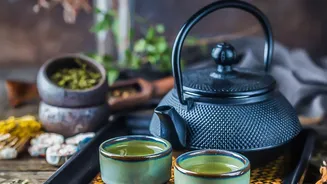
Green tea skips the oxidation process entirely. The leaves are quickly heated after picking—either by steaming (common in Japan) or pan-firing (common in China)—to prevent oxidation. This preserves their green colour and fresh, grassy, or vegetal flavours. Green tea is notoriously sensitive to high temperatures. Brewing with water that's too hot will scorch the leaves and release tannins, resulting in a bitter taste. The ideal temperature is between 70-80°C. A short steep of 2 to 3 minutes is usually all that's needed to achieve a balanced and flavourful cup.
Oolong Tea: The In-Betweener
Oolong tea represents a spectrum of flavours, sitting somewhere between green and black tea. It is partially oxidized, and the level of oxidation can range from as little as 10% to over 80%. This creates a vast range of profiles, from light and floral oolongs that resemble green tea to dark and roasty ones that are closer to black tea. Brewing parameters vary accordingly, but a good starting point is water heated to 85–95°C for 3 to 5 minutes. Many high-quality oolongs are designed to be steeped multiple times, with each infusion revealing new layers of flavour.
Black Tea: Bold and Robust
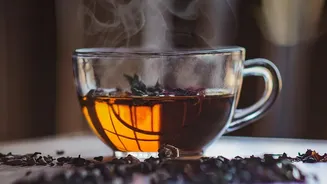
Black tea is fully oxidized, which transforms the leaves from green to a dark coppery-brown and develops deep, malty, and robust flavours. This full oxidation makes black tea the most forgiving type to brew. It stands up well to high heat, so using water at or near boiling (93–100°C) is ideal. A steeping time of 3 to 5 minutes is standard. A shorter steep will yield a brighter cup, while a longer one will produce a stronger, fuller-bodied brew that pairs well with milk and sugar.
Hosting Your Tea Tasting: The Setup
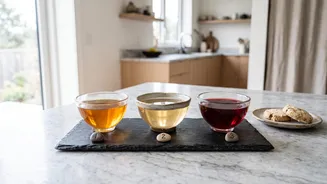
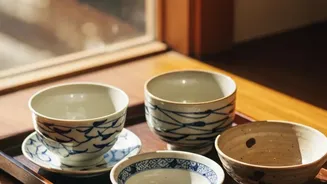
Now for the fun part. You don't need much to host a tasting, just a few key items. Aim for three to five different teas to keep palates from getting overwhelmed. You'll need a kettle, small cups for each guest (white cups are best for appreciating the colour), a timer, and notecards for jotting down thoughts. Arrange the tasting to move from the lightest tea to the strongest: start with white, then move to green, oolong, and finally black. This prevents the bolder flavours from overpowering the more delicate ones. Prepare some neutral snacks like plain crackers or cookies to cleanse the palate between teas, but avoid strongly flavoured foods that could interfere with the tasting.
Guiding the Experience
As the host, your job is to guide your guests through the sensory experience. For each tea, follow a simple process. First, show everyone the dry leaves so they can observe their shape and aroma. After brewing, pour a small amount for each person. Encourage them to look at the colour of the brewed tea, or 'liquor'. Next, smell the tea before taking a sip. Finally, taste the tea, slurping it slightly to aerate the liquid and spread it across the entire palate. Encourage conversation. What notes do people detect? Floral, nutty, fruity, smoky? There are no wrong answers; the goal is to share perceptions and discoveries.
Simple Food Pairing Ideas
While a formal tasting focuses on the tea itself, simple food pairings can enhance the experience. White tea, with its gentle flavour, pairs well with light salads or mild fish. The vegetal notes of green tea complement seafood and vegetarian dishes perfectly. Oolong is versatile; lighter oolongs go well with scallops or chicken, while darker, smokier ones can stand up to duck or grilled meats. Robust black teas are a classic match for hearty foods like red meat, rich pasta, and chocolate desserts.