


The Soul of Simplicity
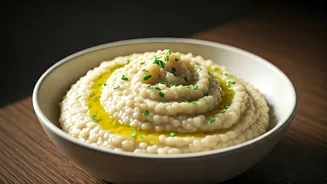
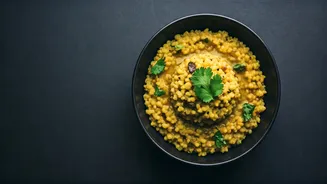
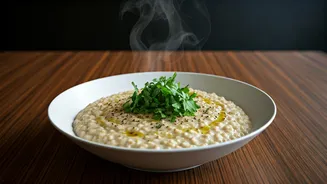
For generations, khichdi has been the epitome of comfort. It’s the first solid food for babies, the prescribed diet during a fever, and the go-to meal for a quick, nourishing dinner. Its genius lies in its simplicity: just rice, dal, a pinch of turmeric,
and salt, slow-cooked to a soft, porridge-like consistency. Often served with a dollop of ghee, a side of yoghurt, or a crisp papad, its variations are as diverse as India itself. From the fiery Bengali bhog’er khichuri to the mild Gujarati version, every household has its own cherished recipe, a taste of home passed down through the ages.
A Gourmet Makeover
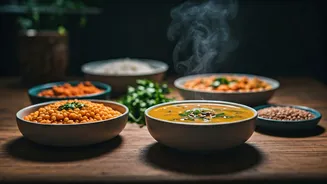
But lately, something has shifted. The once-unassuming khichdi is stepping out of the home kitchen and into the spotlight. It’s appearing on the menus of chic cafes and fine-dining restaurants, shedding its reputation as just 'sick-person food'. Chefs are re-imagining the dish, treating it as a versatile canvas for culinary creativity. This isn't about replacing the original, but about celebrating its potential. The new-age khichdi is a testament to the idea that comfort and sophistication are not mutually exclusive. It's a dish that can be both nostalgic and novel, simple and complex.
Beyond Rice and Dal
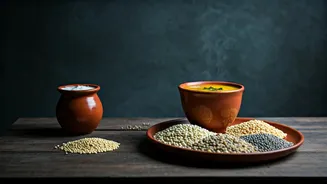
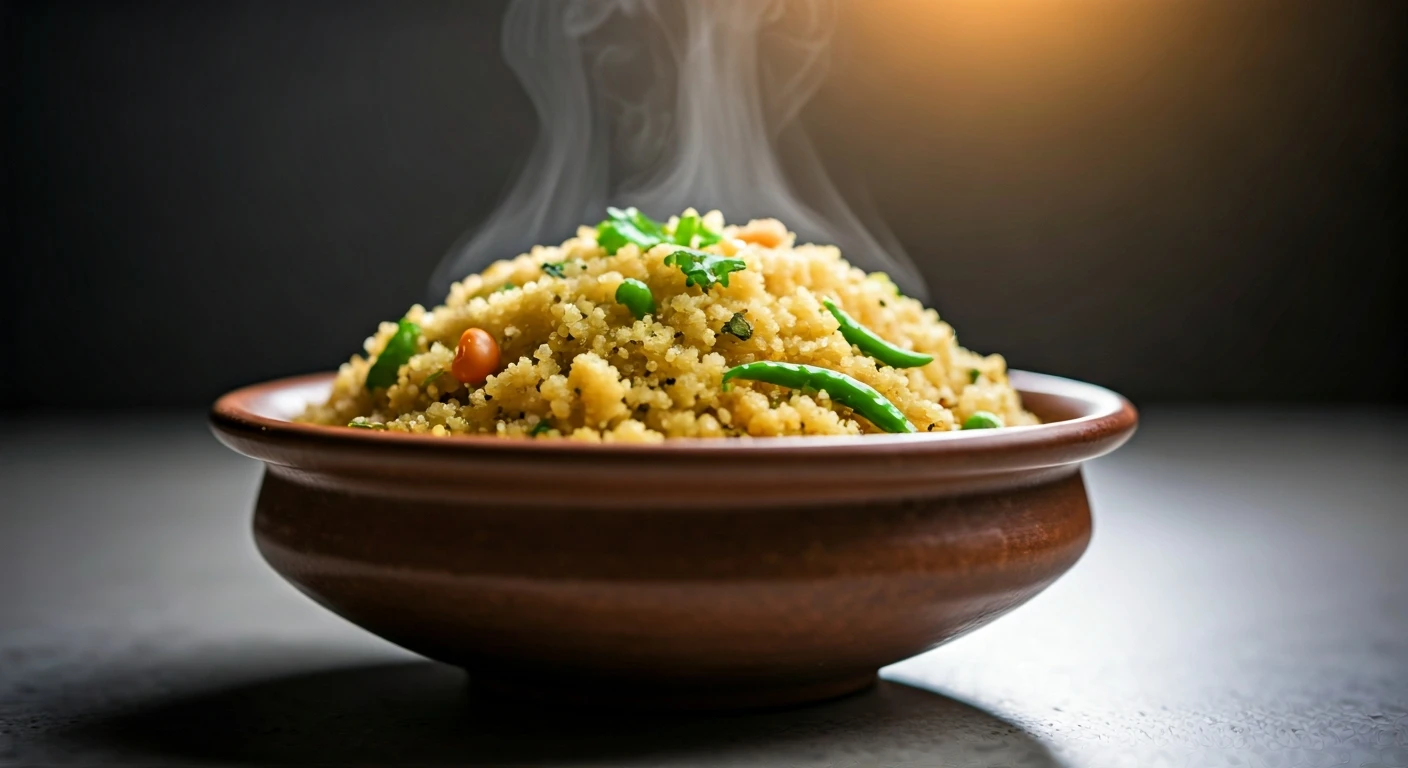
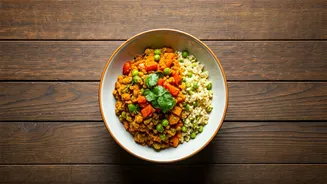
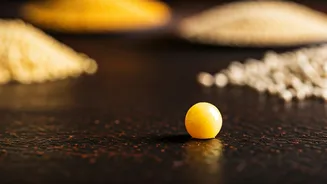
The most significant evolution is happening at the ingredient level. As health consciousness grows, white rice is often being swapped for more nutritious alternatives. The International Year of Millets has put a spotlight on ancient Indian grains, and khichdi is the perfect vehicle for them. Imagine a hearty bowl made with foxtail millet (kangni), barnyard millet (samak), or even high-protein quinoa. These grains not only add a wonderful texture and nutty flavour but also boost the dish's fibre and nutrient profile. The 'dal' component is also expanding, with combinations of various lentils and legumes creating more complex protein profiles and deeper flavours.
A Flavour Revolution
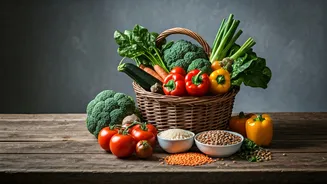
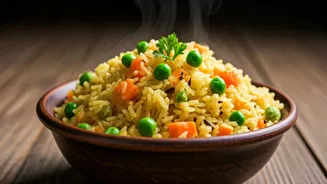
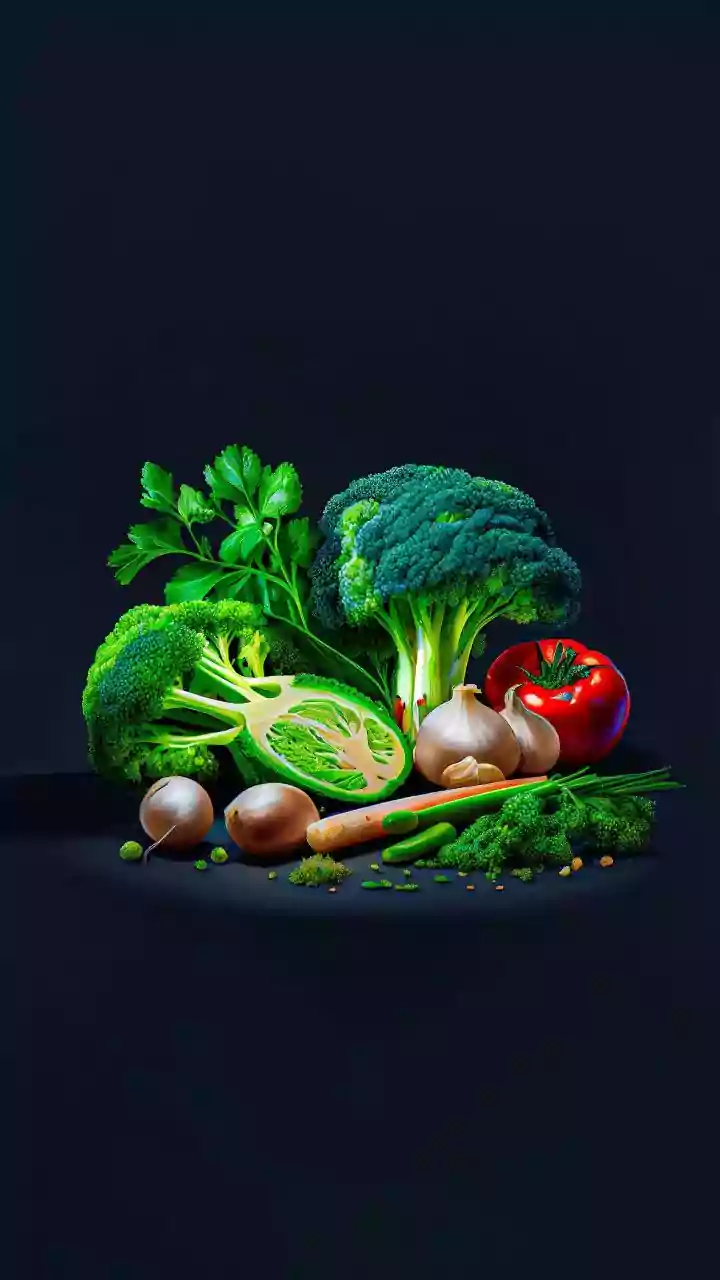
The innovation doesn’t stop at the base ingredients. The humble tadka (tempering) is getting a serious upgrade. While cumin, mustard seeds, and asafoetida remain classics, chefs and home cooks are experimenting with more elaborate flavourings. Think tadkas infused with panch phoran, whole red chillies, and curry leaves. Vegetables are no longer just an afterthought of potatoes or peas; we are now seeing khichdis loaded with exotic mushrooms, broccoli, bell peppers, and zucchini. Some avant-garde versions even incorporate global twists, like a garnish of Italian parmesan cheese, a drizzle of truffle oil, or a topping of caramelised onions and toasted nuts.
Health in Every Spoonful
Ultimately, this renaissance of khichdi aligns perfectly with the modern pursuit of wellness. The upgraded versions are not just tastier; they are unequivocally healthier. A millet-based khichdi is lower on the glycemic index, making it suitable for diabetics. The addition of diverse vegetables increases its vitamin and mineral content. By moving beyond a simple carbohydrate-heavy meal to a balanced bowl of complex carbs, protein, and fibre, the new khichdi becomes a complete, one-pot superfood. It delivers the comfort we crave without the guilt, proving that our favourite comfort bowl can also be our healthiest meal.