







The Unseen Leash: Your Emotions and Your Pet
Dogs and cats are masters at reading us. For thousands of years, they have evolved alongside humans, becoming incredibly attuned to our subtle cues. They don't just hear the words we say; they read our posture, listen to our tone of voice, and even smell
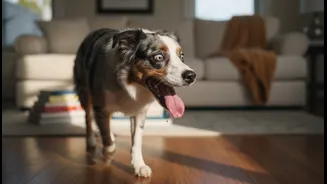
the chemical changes in our bodies. This phenomenon, known as emotional contagion, means that our pets can 'catch' our feelings without fully understanding them. If you are stressed, your body may release hormones like cortisol, which your dog can detect through scent. When your dog senses your anxiety, they don't know the cause is a looming work deadline or a family argument. Instead, their instinct tells them that their leader is worried about a threat, which in turn makes them anxious and heightens their state of alert.
What the Science Says
This isn't just a theory; it's backed by science. Studies have shown a direct link between the stress levels of owners and their pets. Research measuring cortisol, the stress hormone, in the hair of both dogs and their owners found that their levels were synchronized over the long term. Interestingly, the owner's personality had a stronger influence on the dog's stress than the other way around. Other studies using heart rate variability (HRV) as a measure of stress also found that a human's anxiety can be transferred to their dog. When dogs in one study were exposed to the scent of sweat from people who felt fear, their heart rates increased and they sought comfort from their owners. Conversely, when they smelled 'happy sweat', they were more relaxed.
How to Project Calm, Confident Energy
Understanding this connection is the first step. The next is learning how to consciously project a sense of calm, especially when your pet is feeling anxious. This doesn't mean suppressing your emotions, but rather managing your outward response for your pet's benefit. Start with your breath. Taking slow, deep breaths can lower your own heart rate and reduce feelings of stress. Your pet will notice this subtle shift. Use a calm, steady voice. Avoid high-pitched, frantic reassurances, which can sound like alarm calls to an animal. Instead, speak in low, even tones. Your movements should also be deliberate and relaxed. If you're tense while holding the leash during a walk, your dog will feel that tension and may become more reactive. Finally, reward calm behavior. When your dog is lying quietly, offer praise or a treat. This reinforces the state you want to encourage.
Building a Foundation of Security
Your energy is a powerful influence, but it's most effective when combined with a stable and predictable environment. Pets thrive on routine because it helps them know what to expect. Consistent schedules for feeding, walks, and playtime can significantly reduce general anxiety. Ensure your pet has a 'safe space'—a crate or a quiet corner where they can retreat when they feel overwhelmed. Regular exercise is also crucial, as it helps burn off nervous energy and releases stress-reducing endorphins for both you and your pet. Interactive toys and puzzle feeders provide mental stimulation, which can distract a worried mind and build confidence.
When Calm Isn't Enough
While managing your own energy is a foundational part of helping an anxious pet, it's not always a complete cure. Anxiety in animals can stem from many sources, including past trauma, genetic predispositions, or underlying medical issues. If your pet's anxiety is severe, destructive, or causing them significant distress, it's important to seek professional help. A veterinarian can rule out any physical causes for the behavior. If needed, they may refer you to a certified animal behaviorist who can develop a tailored behavior modification plan. In some cases, medication may be recommended to help manage the anxiety while you work on training and environmental changes.