

The Science Behind the Sizzle
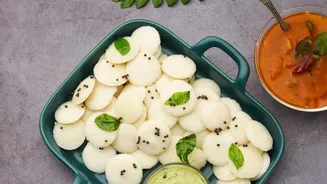
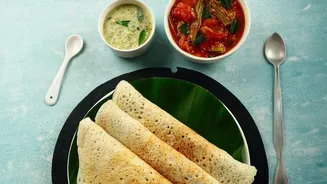
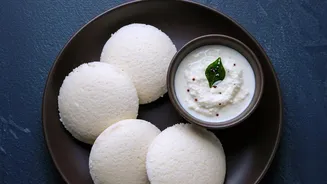
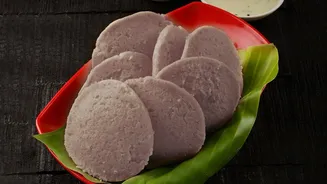
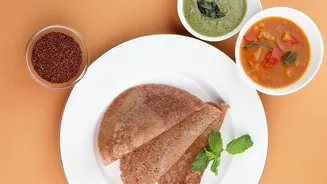
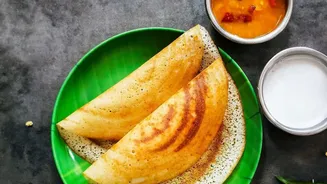
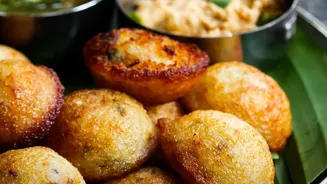
The foundation of classic South Indian breakfasts like idli and dosa is a simple batter, typically made from soaked and ground rice and urad dal (black lentils). The magic happens when this batter is left to rest for several hours in a warm spot. This
isn't just a waiting game; it's a dynamic biological process called fermentation. Wild yeasts and beneficial bacteria naturally present in the ingredients and the environment, such as Lactobacillus and Leuconostoc strains, begin to feast on the carbohydrates. As these microorganisms multiply, they break down complex starches and proteins, produce lactic acid that gives the batter its subtle tangy flavour, and release carbon dioxide gas, which makes the batter airy and light. This natural leavening is what gives idlis their signature spongy texture and dosas their delicate crispness.
Unlocking Minerals by Breaking Down Barriers
One of the most significant, yet invisible, benefits of fermentation lies in its ability to improve mineral absorption. Raw grains and lentils contain compounds known as 'anti-nutrients', with phytic acid being a major one. Phytic acid binds strongly to essential minerals like iron, zinc, and calcium, forming insoluble complexes that your body cannot absorb. This means that even if a food is rich in these minerals, they might pass through your system unused. During fermentation, the bacteria produce enzymes called phytases. These enzymes act like molecular scissors, breaking down the phytic acid. This action 'unlocks' the minerals, making them bioavailable — meaning your body can actually absorb and utilize them. This is especially important for vegetarian diets, where getting enough bioavailable iron and zinc can be a challenge. The fermentation process effectively enhances the nutritional value of the original ingredients.
A Natural Boost for Gut Health
The term 'gut health' has become a modern wellness buzzword, but it’s a principle long embedded in traditional food practices. Fermented foods like idli and dosa are natural sources of probiotics. These are live, beneficial bacteria that help maintain a healthy balance in your gut microbiome—the vast community of trillions of microorganisms living in your digestive tract. A balanced microbiome is crucial for smooth digestion, preventing issues like bloating and constipation. But its role goes much further. A healthy gut is linked to a stronger immune system, as a significant portion of your immune cells reside in the gut lining. The good bacteria from fermented foods help fortify this lining, which acts as a barrier against harmful pathogens. By regularly consuming these foods, you are actively contributing to a resilient and well-functioning digestive system.
Easier Digestion and Added Vitamins
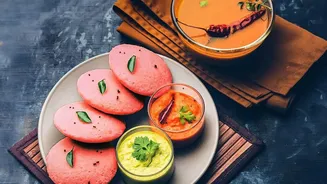
Beyond unlocking minerals and providing probiotics, fermentation essentially 'pre-digests' the food for you. The process breaks down complex carbohydrates and proteins into simpler forms, making idli and dosa remarkably easy on the stomach. This is why idli is often recommended as a first solid food for babies, for the elderly, or for those recovering from illness. Furthermore, the hardworking bacteria don't just break things down; they also synthesise new nutrients. As they ferment the batter, these microorganisms produce valuable B vitamins, including thiamine (B1) and riboflavin (B2), which are essential for converting food into energy. So, that comforting plate of idli or dosa is not only easier to digest but also comes with an added nutritional bonus, courtesy of the fermentation process.