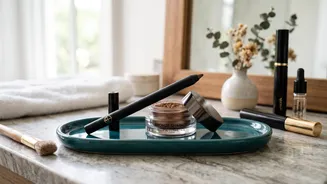







Diwali is a time for dazzling lights, joyful celebrations, and looking your absolute best. While you plan your festive outfits and glamorous makeup, it's crucial to pay special attention to eye safety to keep your look sparkling for all the right reasons.
Why Your Eyes Need Extra Care
The skin around your eyes is the thinnest on your body, making it incredibly delicate and susceptible to irritation. Eye makeup is applied very close to this sensitive area, which can block oil glands, interfere with tear production, or introduce bacteria. Every time a mascara wand or eyeliner pencil touches your eye, it can pick up natural bacteria and transfer it back into the container, creating a breeding ground for germs over time. This risk is heightened during festive periods like Diwali, when you might wear heavier or longer-lasting makeup amidst smoke and dust, further increasing the chances of irritation and infection.
The Dangers Lurking in Expired Makeup
Cosmetics don't last forever. Over time, the preservatives that keep them safe break down, allowing bacteria, mold, and yeast to grow. Using expired eye makeup can lead to a host of problems, from mild irritation, redness, and itching to more serious infections like conjunctivitis (pink eye), styes, and blepharitis (inflammation of the eyelids). Liquid-based products like mascara and liquid eyeliner are particularly high-risk because their moisture content makes them more susceptible to bacterial growth. Even if a product looks and smells fine, it can still harbor harmful germs that can cause an infection, which in rare cases, could threaten your vision.
How to Tell If Your Cosmetics Are Expired
First, look for the Period After Opening (PAO) symbol on the packaging, which looks like an open jar with a number followed by an 'M' (e.g., '6M' means the product is good for six months after opening). It's a good practice to write the opening date on the product with a marker. If there's no symbol, trust your senses. Throw away any product that has changed in smell, texture, or colour. Telltale signs include a sour or chemical odor, a clumpy or separated consistency, or a colour that has faded or turned orange. A product that no longer applies smoothly or flakes off is also likely past its prime. As a general rule, mascaras and liquid eyeliners should be replaced every three months.
Essential Safety Tips for Festive Eye Makeup
To keep your eyes healthy and beautiful throughout the celebrations, follow these simple guidelines. Never share eye makeup, not even with family, as this is a primary way infections like pink eye are spread. Always wash your hands before applying makeup. Avoid applying eyeliner on your inner lash line, or waterline, as this can block important oil glands and introduce germs directly into the eye. If you want to use glitter, make sure it is cosmetic-grade and made for eye use; craft glitter can scratch the cornea. It's also wise to patchtest any new product before applying it for a big event to check for allergic reactions. And never apply makeup in a moving vehicle to avoid accidentally poking and injuring your eye.
The Importance of Proper Makeup Removal
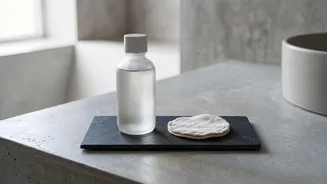
No matter how late the party runs, always remove all your makeup before going to sleep. Sleeping in makeup is a common cause of irritation, clogged glands, and crusty eyes the next morning. Be gentle; the skin around the eyes is delicate, and aggressive rubbing can cause stretching and fine lines. Use a dedicated eye makeup remover, especially for waterproof products. Micellar water or an oil-based cleanser on a soft cotton pad can effectively dissolve heavy makeup without harsh scrubbing. Hold the soaked pad over your closed eye for a few seconds to loosen the product, then gently wipe outwards.
When to See an Eye Doctor
If you experience any symptoms of an eye infection, stop using all eye makeup immediately. Warning signs include persistent redness, pain, itching, swelling of the eyelids, unusual discharge, sensitivity to light, or blurry vision. If these symptoms persist or worsen, it's crucial to consult an eye doctor for a proper diagnosis and treatment. Also, be sure to throw away any products you were using when the infection started to avoid re-infecting yourself.