


The Big Picture: More Freedom on Four Wheels
For backpackers and road-trippers, the appeal of overland travel lies in its flexibility and affordability. Unlike air travel, it allows for spontaneous detours and a deeper connection with the landscapes between destinations. While India has long-standing
friendly border policies with some neighbours, recent clarifications and ongoing infrastructure projects are making these journeys even more attractive. The focus is shifting towards smoother processes, clearer documentation needs, and better connectivity, which directly benefits tourists who prefer the road less travelled. This renewed emphasis on land-based tourism is unlocking exciting new circuits for adventurous travellers starting from India.
Nepal: The Quintessential Open Border Experience
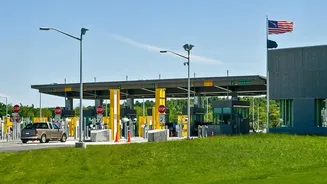
The 1950 Indo-Nepal Treaty of Peace and Friendship establishes one of the most open borders in the world for Indian citizens. No visa is required to enter Nepal, making it a top choice for spontaneous trips. However, “visa-free” does not mean “document-free.” For overland crossings at popular points like Sunauli or Kakarvitta, adults must carry a valid original Voter ID card issued by the Election Commission of India or a valid Indian passport. While some reports mention Aadhaar cards being accepted at land borders, it is not officially listed as a primary document for entry and relying on it is not advised. If you're taking your own vehicle, you'll need additional documents like the vehicle's registration certificate (RC), a valid driving license, and a pollution certificate. A special vehicle permit, known as 'Bhansar', must be obtained at the border.
Bhutan: Navigating the Sustainable Development Fee
Bhutan also offers visa-free entry to Indian citizens, but with a few more formalities. The biggest recent change is the introduction of the Sustainable Development Fee (SDF). While international tourists pay USD 100 per night, Indian nationals benefit from a special bilateral rate of INR 1,200 per person, per night. This fee applies whether you enter by air or by road through Phuentsholing. It's crucial for budget backpackers to factor this cost into their plans. The SDF funds Bhutan's free healthcare, education, and environmental conservation efforts. Children aged 6-12 pay 50% of the fee, while those under 6 are exempt. To enter, Indians need a valid passport or a Voter ID card, and a permit which is typically processed in advance by a registered Bhutanese tour operator who also handles the SDF payment.
Myanmar & Thailand: The Ambitious Trilateral Highway
The India-Myanmar-Thailand Trilateral Highway is a major project aimed at connecting Moreh in India to Mae Sot in Thailand via Myanmar. While the highway project has seen recent diplomatic boosts, it is still under development and not yet a seamless route for civilian tourists as of mid-2026. Currently, Indian citizens require a visa to enter Myanmar; there is no visa-on-arrival for tourists. The most common method is applying for an eVisa online before your trip, which allows for a 28-day stay. Similarly, Thailand's visa-free scheme has been updated, and Indian travellers now typically require a visa on arrival or a pre-approved e-Visa, moving away from the previous visa exemption policy. Road-trippers planning this route must secure all visas in advance and stay updated on the status of land border crossings, which can be subject to regional conditions.
Bangladesh: Understanding the Visa Process
For travellers heading east, Bangladesh requires Indian citizens to obtain a visa before travelling. While some sources mention a visa-on-arrival facility, it's often subject to specific conditions and the discretion of immigration officials, making a pre-approved embassy visa the most reliable option for tourists. In early 2026, Bangladesh restored full visa operations for Indian citizens across all categories, including tourism, simplifying the application process. Overland travel is common via land ports like Petrapole-Benapole, but travellers should ensure they have the correct visa stamped in their passport to avoid any issues at the border crossing.