

The Rise of a Humble Supergrain
For years, rice and wheat have dominated the grain landscape in Indian kitchens. But now, ancient supergrains are making a well-deserved comeback, and millets are leading the charge. These small-seeded grasses, native to India, come in various forms like
foxtail (thinai), kodo (varagu), and barnyard (kuthiravali). Once a rural staple, millets are now celebrated for their impressive nutritional profile and their natural resilience as a crop. They are naturally gluten-free, making them an excellent choice for those with gluten sensitivity or celiac disease. More than just a substitute for rice, millets offer a distinct nutty flavour and a host of health benefits that make them a smart addition to any modern diet.
What Makes It a 'Balanced' Lunch?
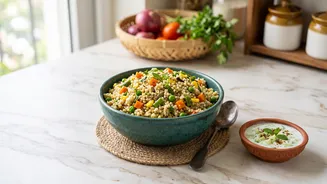
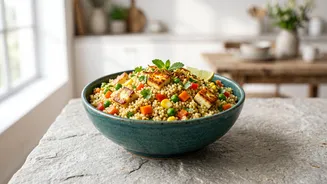
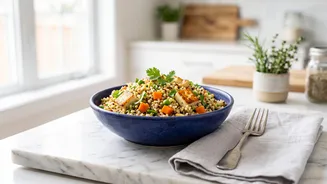
A balanced meal provides sustained energy by combining complex carbohydrates, protein, fibre, and essential nutrients. Millet pulao achieves this balance beautifully. Millets themselves are nutritional powerhouses, significantly outperforming polished white rice in several key areas. They are packed with dietary fibre, which aids digestion and keeps you feeling full for longer, helping to curb afternoon snack cravings. They also contain more protein, iron, and calcium than rice. When you combine millets with a variety of vegetables like carrots, beans, and peas, you add essential vitamins and minerals. Adding a source of protein like chickpeas or paneer can further enhance its nutritional value, creating a complete meal in a single bowl.
The Magic of the One-Pot Meal
For anyone with a busy schedule, the term 'one-pot' is music to the ears. The primary appeal is the incredible convenience and minimal cleanup. Instead of juggling multiple pans for grains, vegetables, and aromatics, everything cooks together in a single vessel, whether it's a pressure cooker or a heavy-bottomed pan. This not only saves time but also enhances the flavour of the dish. As the ingredients simmer together, the vegetables release their sweetness, the spices infuse the grains, and everything melds into a cohesive, flavourful meal. This approach simplifies the entire cooking process, making a wholesome, home-cooked lunch achievable even on the most hectic of days.
A Simple Blueprint for Your Pulao
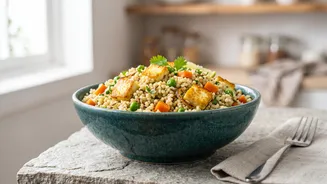
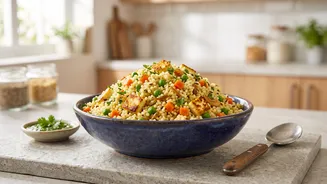
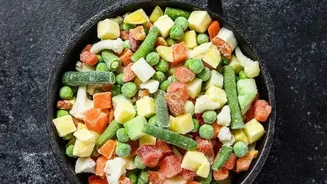
You don't need a rigid recipe to master millet pulao; it's more of a simple, adaptable technique. Start by heating oil or ghee in a pressure cooker or pot. Add whole spices like bay leaves, cloves, and cumin seeds. Once they're fragrant, sauté chopped onions, ginger, and garlic. Next, add your choice of mixed vegetables—carrots, peas, beans, and potatoes are all excellent options. Stir for a few minutes before adding spice powders like turmeric and coriander powder. Now, add the rinsed millet (some recipes suggest a brief soak). A common water-to-millet ratio is 2:1, but this can vary slightly by millet type. Add salt, bring to a boil, and then cook until the millet is tender and the water is absorbed. Fluff with a fork and it's ready to serve.
Tips for Pulao Perfection
To ensure your millet pulao turns out light and fluffy, rinse the grains thoroughly a few times before cooking to remove any potential bitterness. While not always necessary, soaking millets for 30–60 minutes can help them cook more evenly. Don't be afraid to experiment with different vegetables based on what's in season. For a richer flavour, you can add a spoonful of yogurt or a splash of lemon juice at the end of cooking. Garnishing with fresh coriander or mint leaves adds a final burst of freshness that elevates the entire dish. The beauty of this pulao lies in its versatility, so feel free to adjust the spices and ingredients to your personal taste.