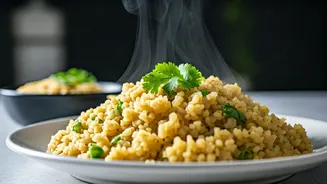


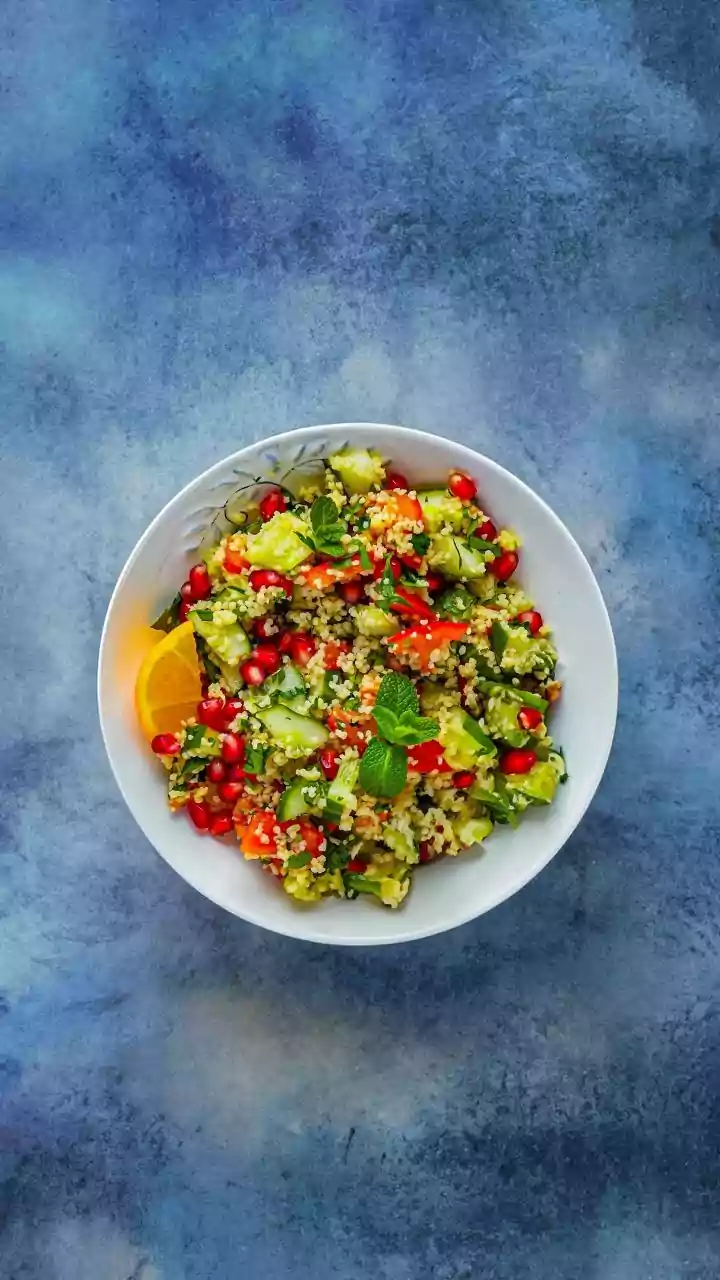



What Is This Flavour Hero?
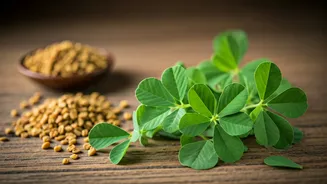
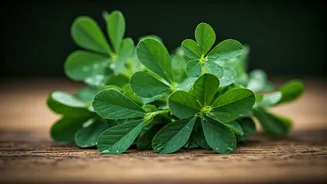
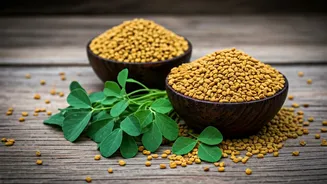
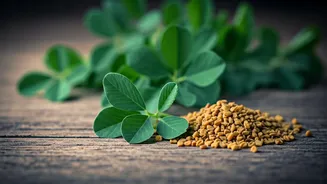
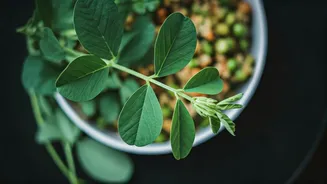
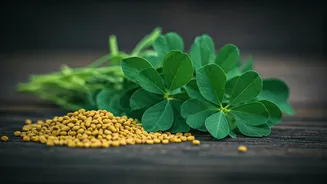
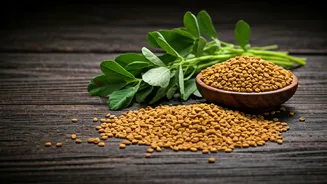
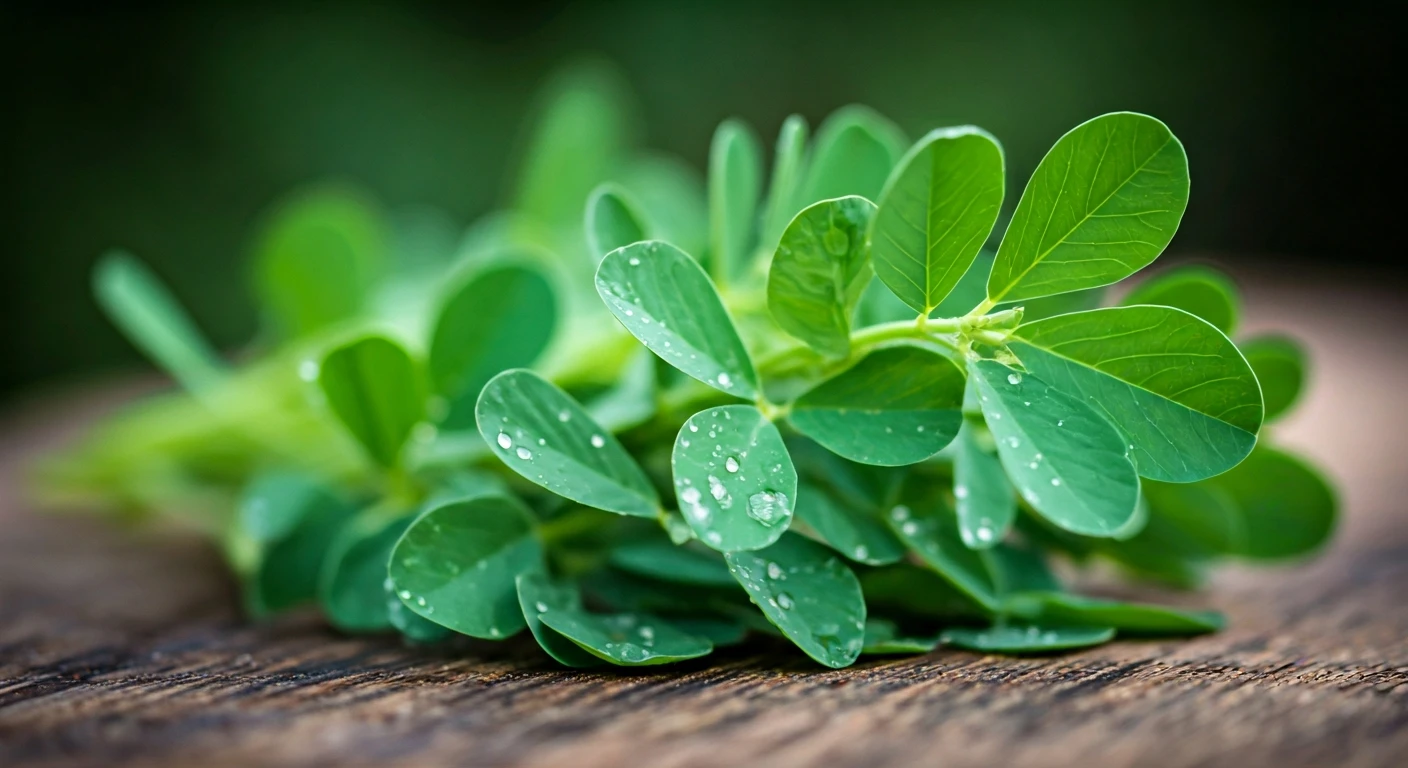
Methi is the Hindi name for fenugreek, an ancient plant that belongs to the legume family. What makes it a kitchen superstar is that it can be used in three distinct forms: as a fresh leafy vegetable, as a dried herb, and as a whole spice in seed form.
Each version offers a different intensity and flavour profile, ranging from subtly bitter and savoury to nutty and aromatic, with a characteristic scent often likened to maple syrup. This versatility is what makes methi a smart addition to your spice rack and vegetable crisper, ready to deploy for a quick flavour boost or as the star of a dish.
The Three Faces Of Methi
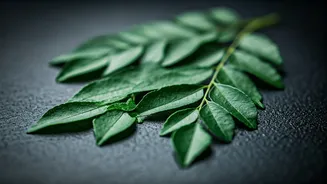
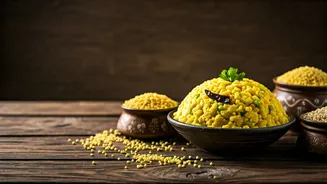
Understanding methi's three forms is the key to unlocking its potential. Fresh Methi Leaves: These vibrant green leaves have a pronounced but pleasant bitterness. They are often paired with potatoes in the classic Aloo Methi, or kneaded into dough for flavourful parathas and rotis. The leaves can be added to dals, curries, or stir-fries, where their robust flavour stands up well to other spices. A common trick to reduce some of their bitterness is to sprinkle the chopped leaves with salt, let them rest, and then squeeze out the excess water before cooking. Dried Leaves (Kasuri Methi): This is arguably the most convenient and powerful form. Made from sun-dried fenugreek leaves, Kasuri Methi has a concentrated, earthy, and smoky aroma. It is most often used as a finishing herb. Crushing a small amount between your palms and sprinkling it over a dish like Butter Chicken, Paneer Butter Masala, or a creamy dal just before serving releases its essential oils and adds an incredible, authentic aroma. Its flavour is less bitter and more aromatic than fresh leaves, making it an easy gateway to using methi. Methi Seeds (Dana): These small, hard, yellowish-brown seeds pack the most potent and bitter punch. Because of their intensity, a little goes a long way. The seeds are a key component in tempering (tadka), where they are briefly fried in hot oil to release their nutty aroma and mellow their bitterness. They are also fundamental to Indian pickles for their flavour and preservative qualities and form the base of many spice blends like panch phoron. Soaking the seeds can also reduce their bitterness.
More Than Just Taste
Beyond its culinary uses, methi is valued in traditional medicine for its health benefits. Fenugreek is a good source of fibre and contains various vitamins and minerals like iron, magnesium, and vitamin B6. Studies and traditional use suggest it may aid in digestion, help manage blood sugar levels, and reduce inflammation. Some evidence also points to its ability to help lower cholesterol. While it's a healthy addition to your diet, think of it as a flavourful bonus to an already nutritious ingredient.
Easy Ways to Get Started
Intrigued but not sure where to begin? Start with Kasuri Methi. Its ease of use and ability to instantly elevate a dish make it a pantry essential. Try crumbling a teaspoon over your next lentil soup, dal, or tomato-based curry. For fresh methi, try a simple Aloo Methi by sautéing it with boiled potatoes, onions, and basic spices. And for the seeds, add a tiny pinch to your next tadka for dal and notice the deep, complex flavour it imparts. Experimenting with these classic pairings—potatoes, chicken, lentils, paneer, and tomatoes—is a great way to understand how methi interacts with other ingredients and brings its unique magic to the forefront.