




An Urban Green-Up
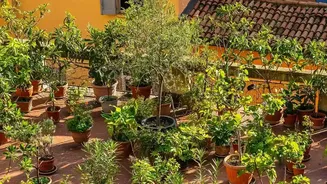
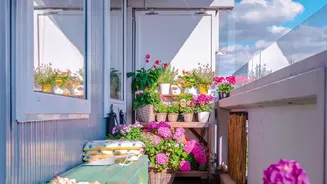
Walk through any apartment complex in urban India, and you are likely to see it: a row of pots on a balcony, a creeper winding its way up a grill, or a colourful collection of flowers welcoming the rain. Urban gardening is no longer a niche hobby; it has
become a mainstream movement. For many city dwellers, especially those in dense metropolitan areas like Mumbai, Bengaluru, and Delhi, private green space is a luxury. A small balcony often serves as the only connection to the natural world. The trend, which gained momentum during the pandemic lockdowns, has shown lasting power as people continue to seek ways to beautify their homes and improve their well-being. This has led to a surge of interest in cultivating plants in whatever small space is available, turning concrete ledges into vibrant pockets of biodiversity.
Why Monsoon Is Prime Time for Gardeners
The monsoon season, which typically lasts from June to September in India, creates the perfect conditions for a garden to flourish. The cooler temperatures, increased humidity, and, of course, the abundant natural watering give many plants a new lease on life after the harsh summer. This period is particularly favorable for flowering plants, many of which enter their most vigorous growth phase. The steady moisture and softer sunlight coax a wide range of blooms into their best form. While the season brings immense benefits, it also requires some attention to detail, as heavy downpours can lead to waterlogged pots if not managed correctly. However, for those who choose the right plants and take a few precautions, the monsoon is the most rewarding time of the year for a gardener.
The Most Popular Monsoon Blooms
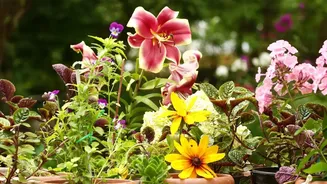
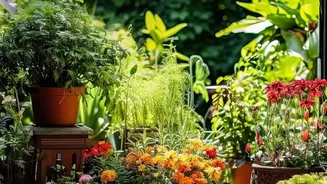
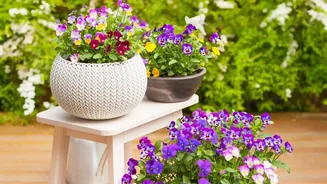
So, which flowers are taking centre stage on Indian balconies this season? Hibiscus is a clear favourite, with its large, trumpet-shaped flowers thriving in the humid conditions and attracting butterflies. Marigolds, a staple in Indian households, provide cheerful bursts of gold and orange that stand up well to the rain. Another classic is Balsam, also known as Gulmehndi, which produces soft, camellia-like flowers and blooms profusely in the moist weather. For those who love fragrance, Jasmine (Mogra) and Tuberose (Rajnigandha) are at their aromatic best during the monsoon. Other popular and easy-to-grow choices include the hardy Periwinkle, the delicate Rain Lily which blooms after a shower, and vibrant Zinnias.
Essential Care for a Thriving Monsoon Garden
While the rains do a lot of the work, a successful monsoon garden requires some specific care. The single most important factor is ensuring proper drainage to prevent root rot. Make sure every pot has drainage holes and consider placing a layer of gravel at the bottom. Overwatering is a common mistake; the natural rainfall is often enough, so always check if the soil is dry before adding more water. The humid weather can also attract pests, so it's wise to regularly inspect your plants. A simple solution of neem oil can act as a natural pest repellent. Finally, regular pruning of dead leaves and spent flowers will encourage new growth and help maintain airflow, keeping your plants healthy and vibrant throughout the season.
More Than Just a Pretty View
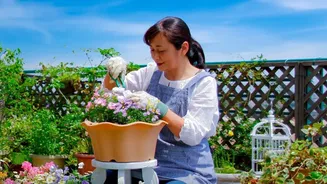
The benefits of a balcony garden extend far beyond aesthetics. Engaging with plants has been shown to reduce stress and improve mental well-being, providing a calming escape from the hectic pace of city life. Plants also help improve local air quality and can even contribute to moderating the urban heat island effect on a small scale. For families, it offers a hands-on way to teach children about nature and where food comes from. Ultimately, tending to a small patch of green, watching seeds sprout and flowers bloom, fosters a deeper connection to the natural world—a connection that is increasingly valuable in our urbanised lives.