





The Rulemakers: Who Sets the Standards?
Food safety in India is primarily governed by the Food Safety and Standards Authority of India (FSSAI). At the city level, the Bruhat Bengaluru Mahanagara Palike (BBMP) is responsible for enforcing these regulations and conducting inspections. Recently,
Karnataka's food safety department has intensified its checks across the city, issuing detailed advisories to restaurants, hotels, and even prominent clubs to ensure strict compliance with hygiene norms. These rules cover everything from the structural integrity of the kitchen to the personal hygiene of the staff.
Core Hygiene Rules Explained
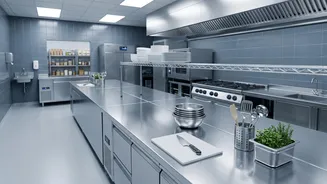
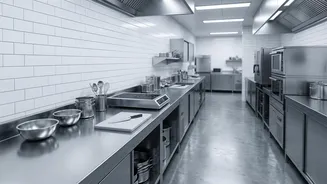
The regulations are detailed, but they boil down to a few key principles. Kitchens and food preparation areas must have clean, smooth walls and be well-ventilated. There must be a strict separation between raw and cooked food, as well as separate utensils for vegetarian and non-vegetarian items, to prevent cross-contamination. Specific temperature controls are mandatory: hot food must be kept above 60°C and cold items below 5°C to inhibit bacterial growth. Staff must wear clean uniforms, head coverings, and gloves, and undergo regular health check-ups. Additionally, establishments are required to manage waste properly in covered bins and implement regular pest control.
What Customers Can Look For
While you can't inspect the kitchen yourself, there are several clues to a restaurant's hygiene standards. Observe the dining area, tabletops, and floors for cleanliness. The condition of the washrooms is often a strong indicator of the establishment's overall attention to hygiene. Notice the staff: are they in clean uniforms with their hair covered? A key requirement is that the restaurant's FSSAI license must be prominently displayed for customers to see. While a fancy ambiance is nice, the Karnataka Health Minister has urged customers to prioritize kitchen cleanliness over appearances.
Understanding Hygiene Ratings
The FSSAI has a voluntary 'Hygiene Rating Scheme' that rates food businesses on a scale of one to five stars based on their compliance with safety standards. This rating is meant to provide a simple, at-a-glance benchmark for consumers. A good rating indicates that the establishment follows proper hygiene practices, has certified food safety supervisors, and conducts regular testing. While participation is not mandatory, seeing a high rating displayed can offer an extra layer of confidence. Surveys show that a majority of diners support making these ratings mandatory and displaying them publicly.
Your Rights and How to Report Issues
As a customer, you have the right to safe food and a clean environment. Providing safe drinking water is mandatory, and restaurants must allow customers to use their toilets. If you encounter an issue—be it unhygienic conditions, stale food, or a foreign object in your dish—you should first raise it with the restaurant's management. If the issue is not resolved, you can file a formal complaint. Karnataka has launched a QR code-based system to make reporting easier. You can also file complaints via the FSSAI's 'Food Safety Connect' app or its helpline number. Your complaint provides crucial data that can help authorities identify problem establishments and prevent others from having a bad experience.