




What is Flour Rotation?
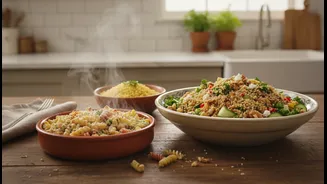
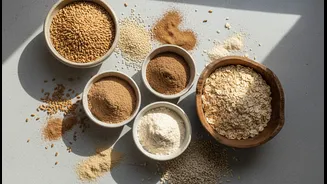
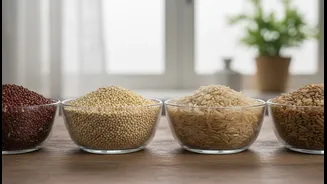
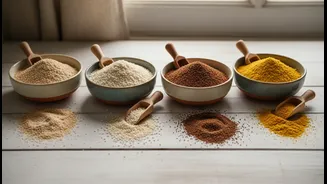
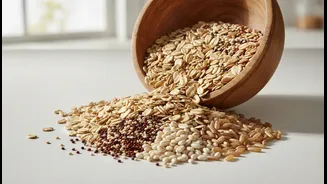
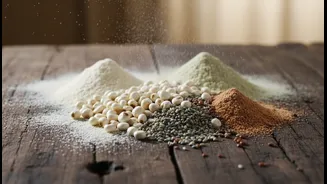
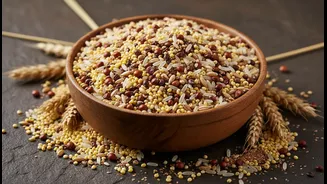
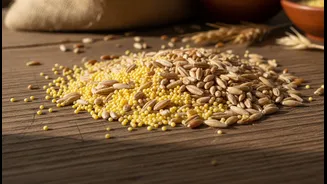
Flour rotation is the simple practice of consciously using different types of flours in your weekly cooking, rather than relying solely on one kind. It’s not about completely abandoning your go-to whole wheat atta. Instead, it’s about inviting other nutritious
grains to the party. Think of it like crop rotation for your kitchen pantry; by cycling through different flours, you give your diet a boost of varied nutrients and prevent nutritional monotony. This approach allows you to keep making your family’s favourite dishes while enhancing their nutritional profile.
The Nutritional Advantage
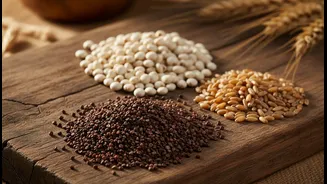
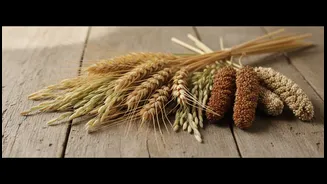
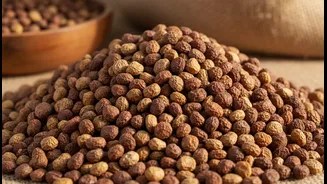
The biggest win from rotating flours is nutritional diversity. While whole wheat is a healthy staple, other flours bring their own unique superpowers. For example, millets like ragi (finger millet), jowar (sorghum), and bajra (pearl millet) are nutritional powerhouses. Ragi is famously rich in calcium, great for bone health. Bajra is packed with iron and magnesium, which can boost immunity and heart health. Jowar is loaded with dietary fibre, making it excellent for digestion and managing blood sugar levels. By rotating these, you are feeding your body a wider spectrum of vitamins, minerals, and antioxidants than you would from a single grain. This variety is also fantastic for your gut health, as different fibres feed different beneficial bacteria.
How to Get Started
The idea of using new flours can seem intimidating, especially when you're worried about ruining a perfect, soft roti. The key is to start small and blend. Don't try to make a 100% jowar roti on your first attempt if you're not used to it. A great starting point is the 4:1 ratio. For every four parts of your regular whole wheat atta, add one part of a new flour like ragi or bajra. This way, you still get the binding quality of gluten from the wheat, which makes the dough easy to handle, while introducing new nutrients and flavours. Once your family gets accustomed to the taste and texture, you can gradually increase the proportion of the alternative flour.
A Few Flours to Try
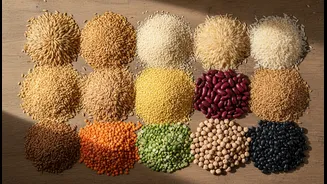
Beyond the popular millets, there are many other flours to explore. Besan (gram flour), made from chickpeas, is a protein-rich, gluten-free option perfect for making savoury pancakes (cheela) or thickening curries. Jav (barley) flour is rich in soluble fibre, which can help lower cholesterol. For those who are gluten-sensitive or have celiac disease, many of these flours, like jowar, bajra, ragi, and besan, are naturally gluten-free. When using gluten-free flours to make flatbreads, the dough might be less elastic, but the result is a distinct, often rustic and delicious, texture.
Beyond Just Rotis
The versatility of these alternative flours extends far beyond just the daily roti or bhakri. You can use ragi flour to make delicious and healthy dosas, porridge, or even laddoos. Jowar flour can be used in dosas and porridges as well. Bajra flour is excellent for making thalipeeth, a savoury multigrain pancake from Maharashtra. You can even experiment with adding these flours to baking recipes. Swapping a portion of maida or wheat flour in cookies or cakes with jowar or oat flour can add a guilt-free nutritional punch.