
A Perfect Storm for Infections
The spaces between your dog's paw pads are the ideal environment for microscopic trouble to brew, especially during the wet and humid monsoon season. When paws remain damp after a walk through rain and puddles, the combination of warmth and moisture creates
a perfect breeding ground for fungi and yeast. Organisms like Malassezia, a type of yeast naturally present on a dog's skin, can multiply out of control in these conditions, leading to uncomfortable infections. This isn't just about a little dampness; it's about creating an ecosystem where irritating and often painful skin conditions can easily take hold. The high humidity of the monsoon slows down natural drying, meaning paws can stay wet for hours, compounding the risk.
From Itchiness to Pododermatitis
A common consequence of consistently wet paws is pododermatitis, a general term for inflammation of the skin on the feet. This condition can be triggered by allergies, bacteria, or fungi, all of which are made worse by moisture. A fungal or yeast infection is a frequent form of this inflammation. You might initially notice your dog constantly licking or chewing at their paws. This is often the first sign of intense itching and irritation. Left unchecked, this can progress to more severe symptoms that cause significant discomfort and pain for your pet.
Signs of a Paw Infection to Watch For
Early detection is key to preventing a minor irritation from becoming a major problem. Pay close attention to your dog's paws and behaviour, especially during the rainy season. Common signs of a fungal or yeast infection include persistent licking, chewing, or biting at the paws. You may also notice redness and swelling, particularly in the delicate skin between the toes and pads. Another tell-tale sign is a distinct, musty odour often compared to corn chips, which is characteristic of a yeast overgrowth. The skin on the paw pads might become scaly, crusty, or feel thicker than usual. In some cases, you might see a reddish-brown discoloration of the fur around the paws, caused by saliva from constant licking. If the infection is causing pain, your dog might limp, favour a paw, or be reluctant to walk at all.
The Right Way to Dry Your Dog's Paws
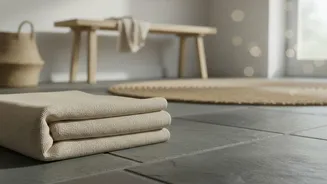
The good news is that preventing these issues is straightforward. The most critical step is to thoroughly dry your dog's paws after every single walk in the rain. Keep a clean, absorbent towel by the door specifically for this purpose; a microfiber towel is particularly effective. Gently but firmly pat the paws dry, making sure to get into the crevices between each toe and pad, as this is where moisture loves to hide. Avoid rubbing, which can cause irritation. For dogs with long hair, this step is even more crucial, as their fur can trap significant amounts of water. You may need to trim the hair between their paw pads to improve airflow and make drying easier. For very thick coats, a hairdryer on a low, cool setting can be used to ensure the area is completely dry, but only if your dog tolerates it.
Extra Monsoon Paw Care Tips
Beyond drying, a few extra habits can boost your dog's paw health during the monsoon. After drying, do a quick inspection for any cuts, scrapes, or debris that might have been picked up from walking through puddles or mud. It's also wise to steer your dog away from walking through stagnant water, which can harbour bacteria and other contaminants. If your dog is comfortable wearing them, waterproof booties can offer excellent protection, keeping paws clean and dry from the start. For dogs with sensitive or easily cracked pads, applying a thin layer of a vet-approved paw balm or wax can create a protective barrier against harsh, wet surfaces. This helps to keep the skin moisturized and resilient.