



India’s Familiar ‘Miracle Tree’
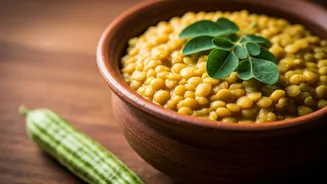
You might know it as ‘shevga’ in Marathi, ‘sahjan’ in Hindi, or ‘murungai’ in Tamil. Moringa oleifera, or the drumstick tree, is a familiar sight across India. For generations, we've used its drumsticks in sambar and its flowers in stir-fries. But the true
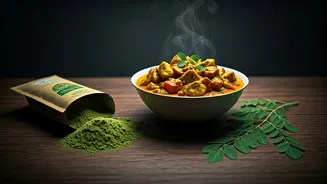
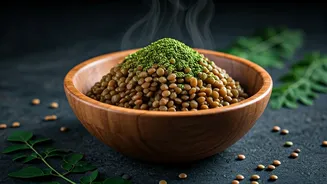
powerhouse of this plant lies in its leaves. Packed with an incredible density of vitamins and minerals, these leaves have been used in traditional medicine for centuries. Now, available as convenient dried flakes or powder, they offer a simple way to tap into this ancient wellness secret without having to find a fresh supply.
Why the Iron Boost Matters
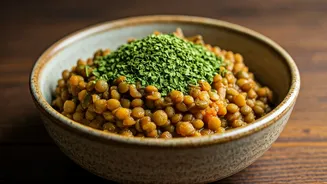
Iron is a critical mineral that helps our red blood cells carry oxygen throughout the body. A deficiency can lead to fatigue, weakness, and anaemia, a significant health concern in India, particularly among women and children. While lentils are a good source of plant-based protein and nutrients, they aren’t always enough to meet our daily iron needs. This is where moringa shines. Gram for gram, dried moringa leaves contain a remarkable amount of iron—often cited as being many times more than spinach. By adding just a teaspoon of moringa flakes to your dal, you are significantly enhancing its iron profile, turning a simple meal into a potent tool against iron deficiency.
Dal: The Perfect Vehicle for Moringa
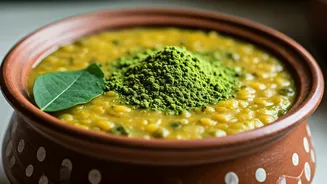
Adding a new health ingredient to your diet can feel like a chore, but this hack is brilliantly simple because dal is the perfect partner for moringa. The earthy, slightly grassy flavour of moringa leaf flakes blends almost seamlessly into the complex spices and savoury taste of a well-made dal. Unlike strong-tasting supplements, it doesn’t overpower the dish. Furthermore, many dal recipes include ingredients like tomatoes, onions, and a final squeeze of lemon juice—all sources of Vitamin C. This is a crucial bonus, as Vitamin C significantly increases the body's ability to absorb plant-based (non-heme) iron, the type found in both lentils and moringa. Your daily tadka dal is already primed to help you get the most out of this powerful addition.
How to Do It Right
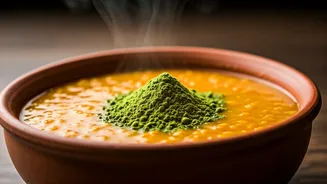
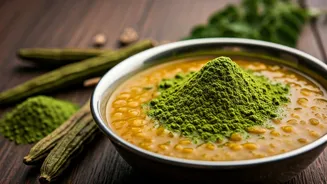
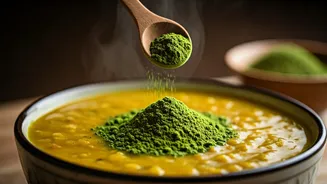
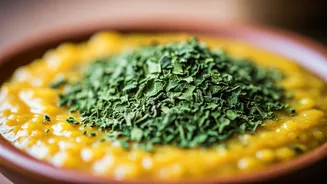
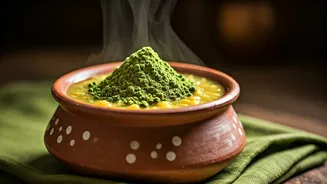
Incorporating moringa into your lentils couldn't be easier. The best method is to add the dried flakes or powder in the last 5-10 minutes of cooking. Stir it into your simmering dal just before you prepare the tadka. This ensures the heat doesn't degrade its delicate nutrients too much. How much should you use? Start small. Begin with half a teaspoon for a pot of dal that serves four people. You can gradually increase this to a full teaspoon or more as you get accustomed to the taste. The flakes will rehydrate and blend in, adding a slightly deeper green hue to your dal but little noticeable change in texture. It's a subtle change for a substantial health benefit.
More Than Just Iron
While the headline focuses on iron, moringa’s benefits don’t stop there. The leaves are also a rich source of Vitamin A, which is essential for vision and immune function, and Vitamin C, a powerful antioxidant. They also contain calcium, potassium, and a complete protein profile with all nine essential amino acids, making them a fantastic supplement for vegetarian and vegan diets. By adding moringa to your dal, you're not just tackling one nutrient deficiency; you're giving your body a broad-spectrum boost of essential micronutrients in one easy step.
A Few Things to Keep in Mind
Moringa is safe for most people when consumed in food amounts. However, high doses may have a laxative effect. It's best to stick to one or two teaspoons a day. Certain parts of the moringa plant, like the root, can contain toxic substances and should be avoided. Always buy your moringa powder or flakes from a reputable source. Pregnant or breastfeeding women, and individuals taking medication for thyroid issues, diabetes, or high blood pressure, should consult with their doctor before adding moringa to their diet, as it can interact with these conditions and medications.