

Rajasthan's Open-Air Art Gallery
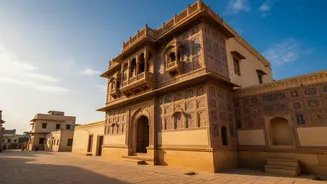
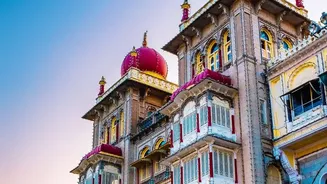
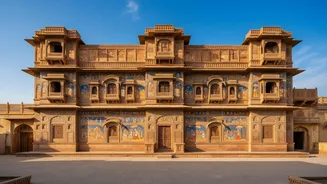
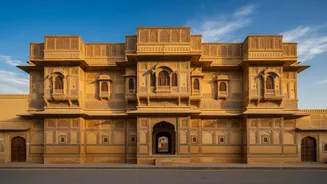
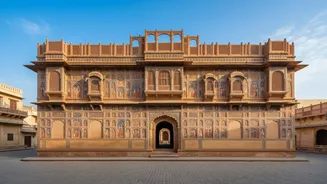
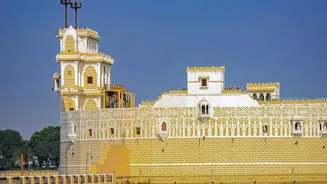
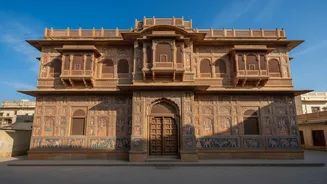
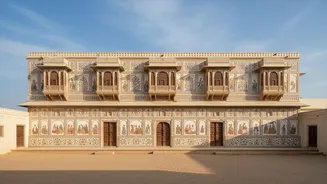
The Shekhawati region, a semi-arid landscape in northeastern Rajasthan, is often called the world's largest open-air art gallery. Historically a trade hub on the caravan routes, the region's wealthy Marwari merchants built grand mansions, or havelis,
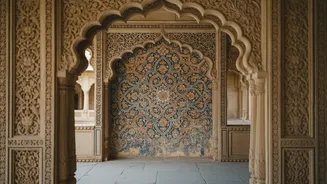
between the 18th and early 20th centuries. To showcase their prosperity, they commissioned intricate frescoes that covered nearly every surface, inside and out. These murals depict everything from Hindu mythology and local folklore to scenes of modern life, including the arrival of trains and telephones, creating a unique visual history of the era. Towns like Mandawa, Nawalgarh, and Fatehpur are treasure troves of this art, with streets lined with these architecturally stunning and artistically rich buildings.
A Renaissance in Fresco
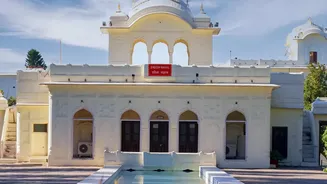
For decades, many of these magnificent havelis languished in a state of beautiful decay. However, a growing appreciation for this unique heritage has sparked a wave of restoration. Some families, heritage foundations, and hoteliers have begun the painstaking work of preserving these artistic treasures. Havelis like the Dr. Ramnath Podar Haveli in Nawalgarh have been meticulously restored and converted into museums, offering visitors a vivid glimpse into their original splendour. This revival is not just about preserving art; it's about breathing new life into the region. Many restored havelis now operate as heritage hotels, allowing travellers to stay within the painted walls and experience the region's history firsthand.
The Allure of the Quiet Season
While Rajasthan's peak tourist season runs from October to March, Shekhawati is seeing a rise in visitors during the so-called off-season—the warmer summer and monsoon months. Art lovers and culture enthusiasts are discovering the unique advantages of visiting during this time. The primary appeal is the quiet. With fewer tourists, one can explore the havelis and wander the village lanes at a leisurely pace, often having entire mansions to themselves. This solitude allows for a more intimate and unhurried connection with the art and the atmosphere. While daytime temperatures can be high, mornings and evenings are pleasant for exploration. Furthermore, off-season travel often comes with the added benefit of lower accommodation prices and a more authentic feel, as local life proceeds without the hustle of peak tourism.
An Immersion in Culture
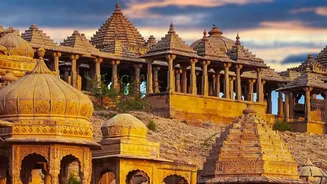
A trip to Shekhawati is about more than just admiring frescoes. It's an opportunity to immerse oneself in a slower, more traditional way of life. The experience involves strolling through bustling local bazaars, interacting with local artisans, and savouring authentic Rajasthani cuisine. The region remains one of Rajasthan's offbeat gems, offering a sense of discovery that is increasingly rare in more popular destinations. Travellers seeking authenticity find deep rewards in the quiet lanes of towns like Ramgarh, with its stunning cenotaphs, or the lived-in charm of Nawalgarh, where life continues amidst the historic art. This blend of world-class art and quiet rural life is precisely what draws those looking to escape the conventional tourist trail.
Planning Your Artistic Escape
Shekhawati is easily accessible, located about a four to five-hour drive from both Delhi and Jaipur. The best way to explore is by car, allowing you the flexibility to move between the various small towns, each with its own unique collection of havelis. Mandawa is a popular and convenient base for exploration, while Nawalgarh is celebrated for having some of the finest frescoes. For an authentic experience, consider staying in one of the many heritage havelis that have been converted into hotels. This not only supports local conservation efforts but also offers a chance to live, even for a few nights, within the very art you came to see. A guided walk is highly recommended to understand the stories and symbolism behind the intricate paintings.