






The Unrealistic Pressure of the Perfect Trip
Travel FOMO, or the Fear Of Missing Out, is the anxiety that others are having more rewarding experiences than you are. It's a feeling amplified by the endless stream of 'Instagrammable' moments on our social media feeds. Research shows a significant
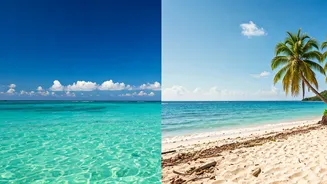
number of travellers, especially younger generations, are inspired by social media, with many specifically seeking out photogenic backdrops for their trips. This creates immense pressure to have a trip that isn't just good, but visually perfect and worthy of sharing. We see the highlight reel—the flawless beach, the epic hike, the charming cafe—and our brains internalise this as the standard, setting us up for disappointment if our own experience doesn't match the filtered fantasy.
When Reality Doesn't Match the Reel
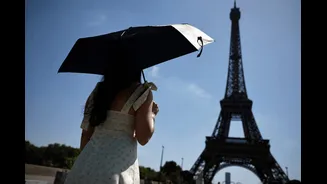
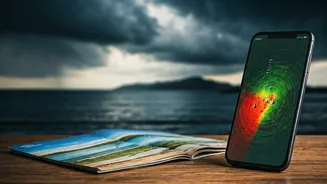
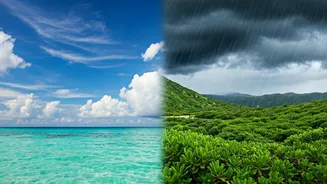
The major flaw in this quest for perfection is that it ignores a powerful, unpredictable variable: the weather. Increasingly, the reality on the ground is failing to match the online hype. In recent years, extreme weather has become a major disruptor of travel plans. The summer of 2023 was the hottest on record, leading to scorching, dangerous heatwaves across Europe and North America that forced the closure of tourist attractions like the Acropolis and the Eiffel Tower. Wildfires on the Greek island of Rhodes led to mass evacuations of tourists. These aren't isolated incidents; they represent a growing trend where travel plans are upended by climate-related events, from floods and droughts to unprecedented storms.
More Than Just a Bad Weather Day
It's tempting to dismiss a washed-out beach day or a sweltering city break as bad luck, but science tells us it's part of a larger pattern. Climate change is making weather more extreme and less predictable. Rising global temperatures are leading to more frequent and intense heatwaves, altering rainfall patterns, and increasing the severity of storms. This directly impacts the tourism industry, threatening everything from coastal infrastructure due to rising sea levels to the viability of ski resorts with less snowfall. For travellers, this means the 'perfect weather' promised by a destination's reputation is no longer a guarantee. Chasing the idealised version of a place without acknowledging this climate reality is a recipe for a frustrating holiday.
Planning for Uncertainty, Not Perfection
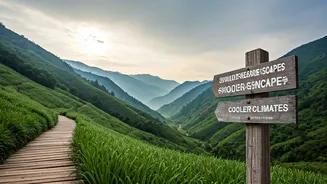
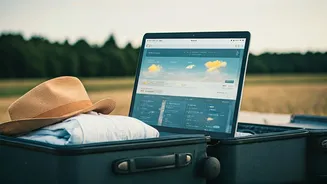
So, how can we combat travel FOMO in the face of this reality check? The solution isn't to stop travelling, but to travel smarter. It starts with shifting your mindset from chasing perfection to embracing adaptability. Build flexibility into your schedule; instead of a rigid itinerary, have a mix of indoor and outdoor options. Research the climate patterns of a destination, not just the daily forecast. Travelling during the 'shoulder seasons'—the months just before and after peak season—can offer benefits like fewer crowds and more moderate weather. Pack strategically with layers and waterproof gear. Most importantly, reframe what 'bad' weather means. A rainy day isn't a failure; it's an opportunity to experience the cosy cafes, world-class museums, and local life you might have otherwise missed.