








1. Robust Waterproof Gear
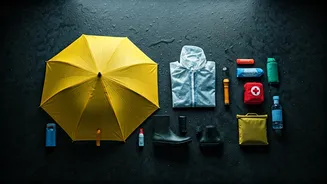
This goes beyond a simple umbrella. Invest in a sturdy, wind-resistant umbrella that won’t turn inside out with the first strong gust. A high-quality raincoat or poncho is also crucial for keeping you dry during commutes. Equally important is a waterproof
bag or a cover for your backpack to protect your electronics, wallet, and important documents from water damage. When your gear is reliable, you can navigate the rain with confidence instead of arriving at your destination drenched and miserable.
2. Reliable Non-Slip Footwear
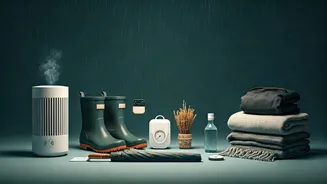
Slippery, moss-covered pavements and muddy paths are a hallmark of the monsoon, making falls and injuries common. Ditch the fashionable but impractical footwear for a pair of sturdy, non-slip rubber boots or floaters. Look for shoes with deep grooves on the sole for better grip on wet surfaces. This simple switch can prevent nasty falls and sprains, ensuring you can walk with stability and safety, even on the most treacherous-looking streets.
3. A Monsoon-Ready First-Aid Kit
Your standard first-aid kit needs a monsoon upgrade. The dampness and humidity can lead to fungal infections and other skin issues. Add antifungal powder and cream to your kit. Also include antiseptic liquid, bandages for cuts and scrapes (which are more prone to infection in damp weather), pain relievers, and medication for common colds and fevers. Having these items on hand means you can treat minor monsoon-related ailments quickly and effectively at home.
4. Emergency Power Sources
Power cuts are a frequent inconvenience during heavy rains and storms. An emergency power source is no longer a luxury but a necessity. A fully charged power bank is essential to keep your phone running for communication and emergency calls. Additionally, keep a stock of candles, matchboxes, and a powerful rechargeable emergency light or torch in an easily accessible place. This ensures you’re not left in the dark and can navigate your home safely during an outage.
5. Safe Drinking Water and Food
The risk of water-borne diseases like cholera, typhoid, and jaundice skyrockets during the monsoon due to contamination of water sources. Always drink boiled or filtered water. If you're unsure about the water quality when you're out, carry your own water bottle from home. Be extra cautious about street food, especially items that are exposed to the open air or use water of unknown origin. Stick to freshly cooked, hot meals to minimise health risks.
6. Potent Insect Repellent
Stagnant water creates the perfect breeding ground for mosquitoes, leading to a surge in vector-borne diseases like dengue, malaria, and chikungunya. Use a strong insect repellent, especially during the early morning and evening when mosquitoes are most active. Consider using mosquito nets at night and ensure there is no standing water in or around your home—check flower pots, coolers, and any discarded containers. Your health depends on this vigilance.
7. A Home Preparedness Check
Before the heavy rains begin, do a thorough check of your home. Clear out clogged drains and gutters to prevent waterlogging around your property. Inspect your roof and walls for any cracks or leaks and get them repaired to prevent seepage and dampness, which can lead to mould growth and structural damage. It's also wise to check all electrical wiring and have an electrician fix any exposed wires to prevent the risk of short circuits or electrocution.
8. Waterproof Document Holder
In case of severe waterlogging or a leak at home, your important documents—passports, property papers, academic certificates, and identification cards—are at risk. Invest in a waterproof document bag or a simple zip-lock folder to keep all your essential papers safe and dry. Store this folder in a high, dry place. In today’s world, it’s also a good idea to have digital copies of these documents saved on a cloud service for an extra layer of security.
9. A Stocked Emergency Pantry
Sometimes, the rain is so incessant that it becomes difficult or impossible to step out for groceries. Prepare for these days by stocking your pantry with non-perishable food items. Keep a supply of rice, lentils, biscuits, instant noodles, and ready-to-eat meals that have a long shelf life. This ensures you and your family have enough food to last through a few days of being homebound without having to brave the storm for supplies.
10. An Emergency Communication Plan
During severe weather events, it’s crucial to stay informed and connected. Keep a list of emergency contact numbers—including local disaster management authorities, the police, fire brigade, and nearby hospitals—saved on your phone and also written down in a waterproof diary. Make sure your family members know who to contact in an emergency. Follow official weather updates from reliable sources like the India Meteorological Department (IMD) to stay ahead of any developing situations.