



The Silent Killer in Your Pots
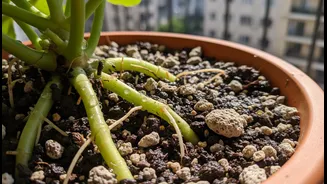
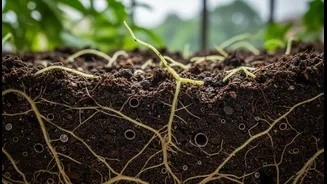
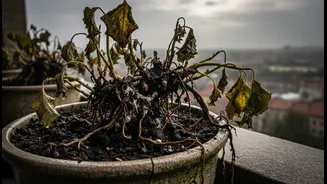
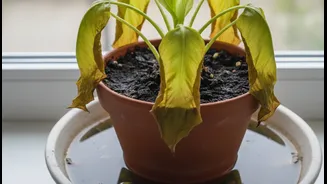
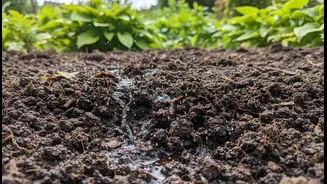
For container plants, especially vegetables, proper drainage is non-negotiable. When water has no escape, it saturates the soil, cutting off the oxygen supply to the roots. This soggy environment becomes a breeding ground for root rot, a fungal disease
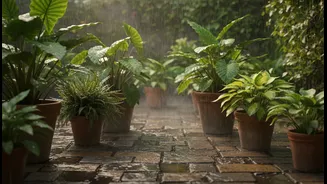
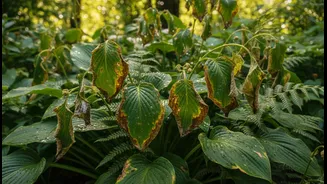
that is difficult to recover from and often proves fatal. Unlike plants in the ground, a potted vegetable's entire world is confined to that container, making it highly susceptible to problems from poor drainage. During India's monsoon season, this danger is amplified, with frequent rains easily waterlogging unprotected pots. Symptoms like yellowing leaves or a musty smell from the soil are often the first visible signs that roots are in distress.
More Than Just a Hole in the Pot
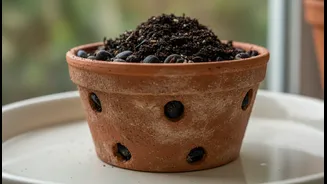
A common mistake is thinking a single hole at the bottom of a pot is enough. Superior drainage is an entire system, or 'architecture'. This starts with choosing the right container—terracotta pots are porous and allow moisture to evaporate through their walls, while plastic pots retain more moisture. Regardless of material, ensure there are multiple or large drainage holes. It is also wise to elevate pots on feet or bricks to allow water to flow away freely. While many gardeners have traditionally added a layer of gravel at the bottom, studies have shown this can actually hinder drainage by creating a perched water table, moving the saturated zone closer to the roots. The most effective strategy is to use a consistently well-draining soil mix throughout the entire pot.
Meet Perlite: The Drainage Superstar
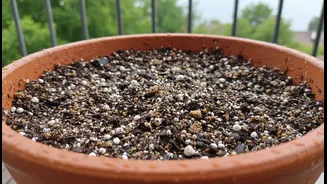
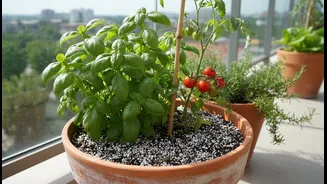
This is where perlite comes in. Those little white, lightweight specks in potting mixes are not styrofoam; they are a volcanic glass that is heated until it pops like popcorn. The resulting granules are porous, sterile, and have a neutral pH. Perlite’s primary role in a potting mix is to improve aeration and drainage. It creates air pockets within the soil, preventing it from becoming compacted over time. This structure allows excess water to drain away quickly while also ensuring that plant roots have access to the oxygen they need to thrive. Because it doesn't decompose, its benefits are long-lasting, making it a reliable amendment for any container garden.
Crafting the Perfect Perlite Mix
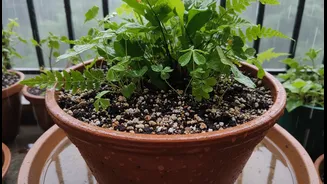
Using a standard potting mix is a good start, but creating your own blend or amending a pre-made one gives you ultimate control. Never use heavy garden soil alone, as it compacts easily in pots. For a great all-purpose vegetable mix, a good starting point is a blend of one part perlite, one part coco peat (for moisture retention), and one part compost (for nutrients). You can adjust these ratios based on your specific needs. For example, some Indian gardeners recommend a mix with slightly less soil and more compost and drainage material. A common recipe is one part cocopeat, one part compost, one part vermiculite (which also aids drainage), one part soil, and a half part sand. For most vegetable applications, ensuring perlite makes up about 20-30% of the total volume will dramatically improve drainage and prevent waterlogging.
Beyond the Mix: Final Touches for Success
Once your drainage architecture is in place, a few final practices will ensure a successful harvest. Be mindful of your watering schedule. Instead of watering daily, check the soil by sticking your finger an inch or two deep; if it feels dry, it's time to water. During heavy monsoon rains, consider moving sensitive plants under a shelter to prevent them from becoming waterlogged. Also, remember that with excellent drainage, nutrients can be washed out of the soil more quickly. You will likely need to fertilize your container vegetables periodically throughout the growing season to replenish these essential nutrients and support their growth.