




Understanding the Wait Times
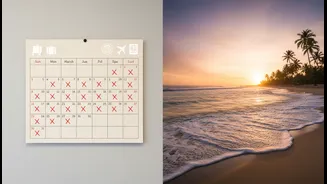
The first step in planning is understanding the challenge. Wait times for a B-1/B-2 visitor visa interview can stretch for several months in India, varying by consulate location. These estimates, available on the U.S. Department of State's website, are
based on workload and staffing and can change weekly. It’s crucial to check this official source regularly to get a realistic timeline. Remember, the posted time is an estimate for the next available slot, not a guarantee. New appointments are added continuously, so what seems like a long wait can sometimes shorten if you are persistent.
Start the Process Immediately
You cannot book an appointment without first completing key steps. The journey begins by filling out the online Nonimmigrant Visa Application, Form DS-160. This detailed form requires information about your travel plans, background, and employment. After submitting the DS-160, you must pay the non-refundable visa application fee. Only after payment is confirmed can you access the scheduling portal to look for appointment slots. Given that these initial steps can take a few hours to complete properly, it’s wise to get them done as soon as you decide to travel.
The Art of Booking an Appointment
Securing a slot is often the most frustrating part. The key is persistence and flexibility. Once you have access to the portal, check for openings frequently. Anecdotal evidence suggests that new appointments are often released in batches, so logging in at different times of the day, particularly during Indian business hours, might yield results. Be prepared to be flexible with your location; check availability at all U.S. consulates in India (Chennai, Hyderabad, Kolkata, Mumbai, and the Embassy in New Delhi), not just the one closest to you. You are permitted to attend the biometric and interview appointments in different cities.
Prepare Your Documents Thoroughly
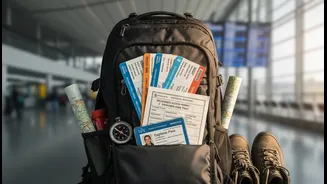
While you wait for your appointment, use the time to gather a comprehensive file of supporting documents. Though the consular officer may only glance at them, being prepared shows you are a serious applicant. Essential documents include your valid passport, the DS-160 confirmation page, the visa fee receipt, and your appointment confirmation. It is also highly recommended to carry proof of your strong ties to India, which is a key factor for approval. This can include an employment letter, salary slips, property documents, and proof of family responsibilities.
The Expedited Appointment Option
If you face a genuine, unforeseen emergency, you may qualify for an expedited appointment. This is reserved for situations like urgent medical treatment, the death or serious illness of an immediate family member in the US, or urgent, unpredictable business travel. Tourism, attending weddings, or visiting pregnant relatives do not qualify for expedited appointments. To request one, you must first book a regular appointment and then submit a request through the online portal with documented proof of your emergency. These requests are approved sparingly, so it should not be your primary strategy.
Acing Your Visa Interview
The visa interview itself is typically very short, often lasting only a few minutes. The consular officer's main goal is to understand your purpose of travel and confirm your intent to return to India. Be prepared to answer questions about your trip, your job, and your finances clearly and concisely. Speak for yourself and answer truthfully, ensuring your responses align with the information provided in your DS-160 application. Having your documents well-organized will give you confidence, even if you are not asked to present them.