




The Monsoon's Culinary Paradox
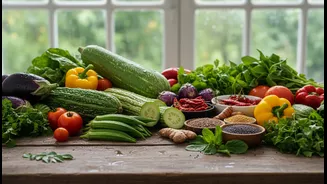
As the monsoon breathes life back into the parched landscape, it also brings a unique bounty. This is the season for specific gourds, leafy greens, and wild mushrooms that are not available year-round. Yet, walk into many urban restaurants, and you'll
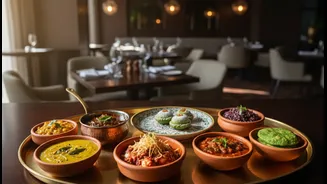
find the same butter chicken, paneer tikka masala, and other staples that dominate menus from the peak of summer to the dead of winter. These dishes, while beloved, often rely on produce from cold storage and ignore the vibrant, hyper-seasonal ingredients growing just beyond the city limits. This creates a disconnect: we celebrate the rain with our senses but not always with our plates. The symphony of the season—the petrichor, the cool breeze—deserves a culinary accompaniment that is just as dynamic and alive.
Reclaiming Traditional Wisdom
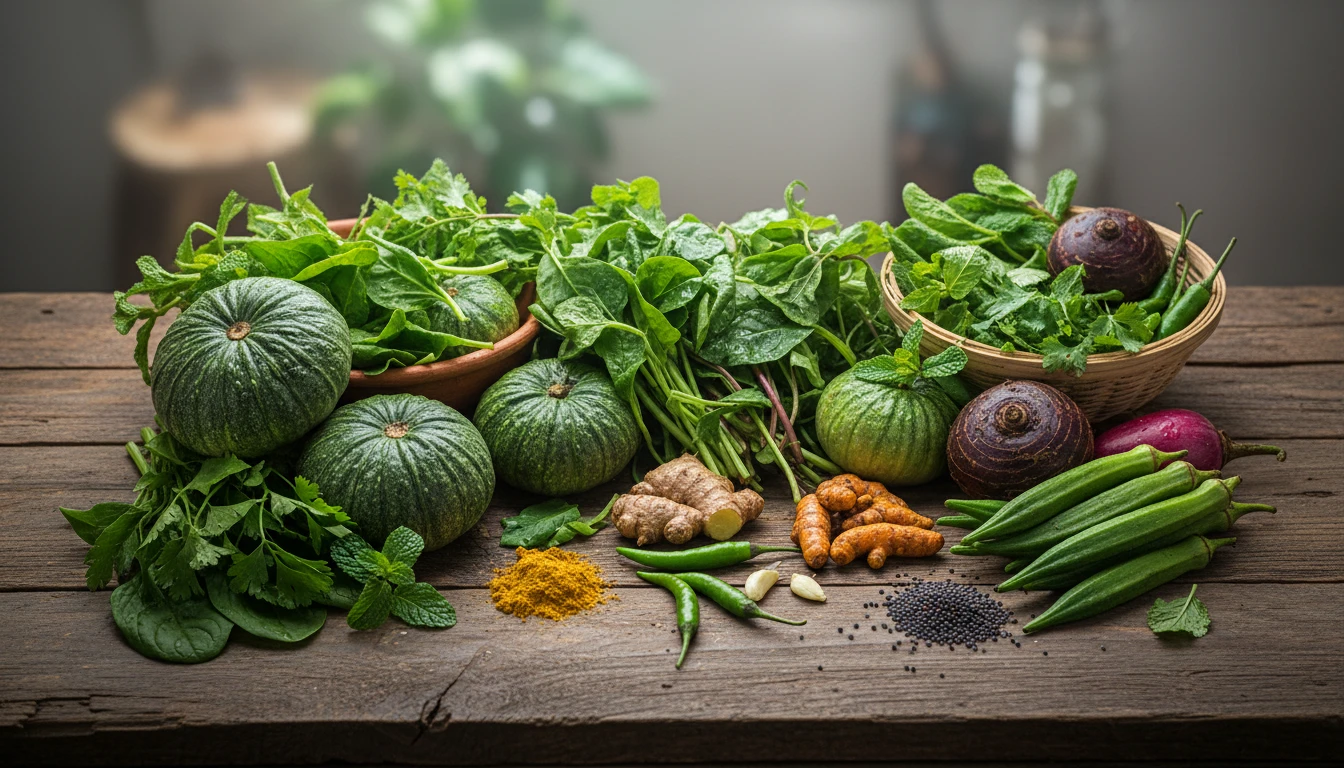
For centuries, traditional Indian food systems, particularly Ayurveda, have prescribed specific dietary guidelines for the rainy season, or 'Varsha Ritu'. This period is considered a time when digestive fire (agni) is weak, and the body is more susceptible to infections. The wisdom passed down through generations encourages eating warm, freshly cooked, and easily digestible foods. Meals featuring old grains like barley and rice, moong dal, and warming spices such as ginger, pepper, and turmeric are recommended to support digestion and boost immunity. It's also a time to avoid raw foods and certain leafy greens that can harbour germs in the high humidity. By ignoring these principles, modern urban menus not only miss a culinary opportunity but also discard a wealth of knowledge designed to keep us healthy and in sync with our environment.
A Celebration of Hyper-Local Flavours
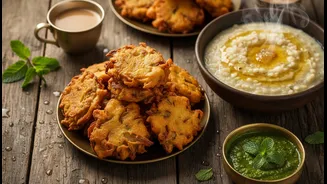
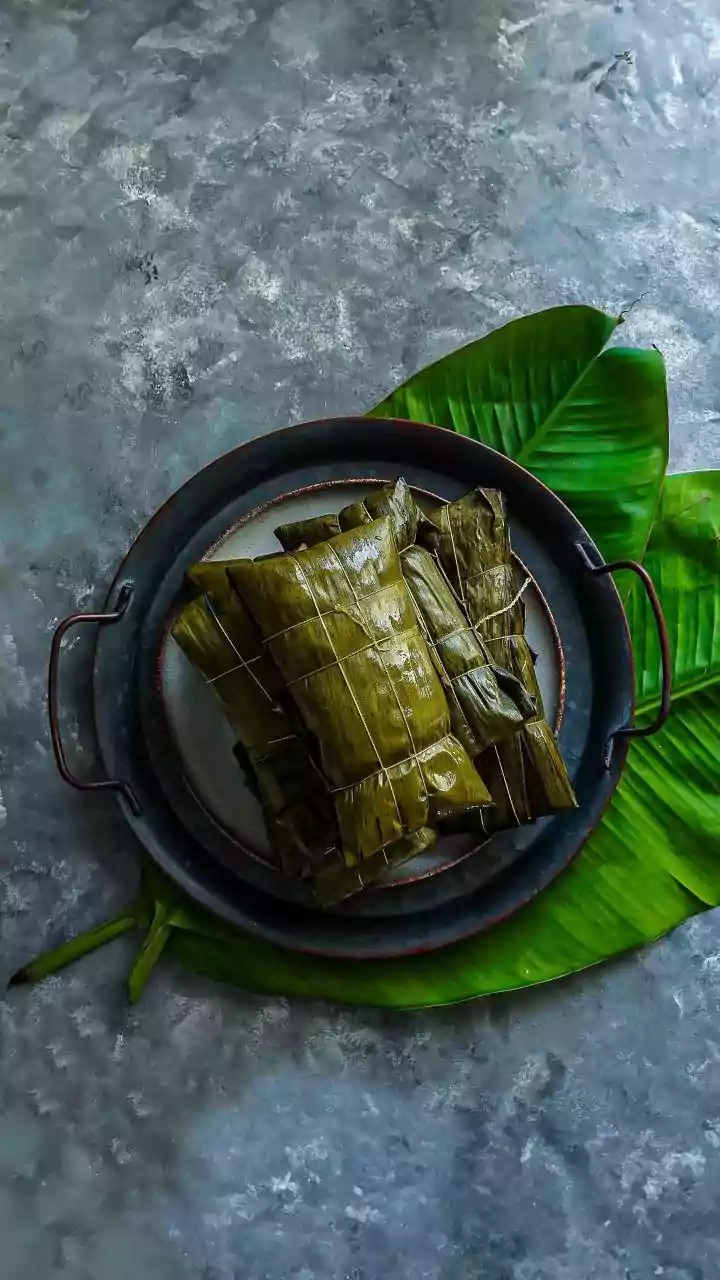
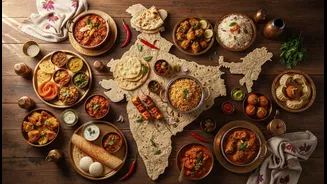
So, what could a true monsoon menu look like? It would be a diverse and exciting map of India's regional riches. In Maharashtra, it might feature the rare, earthy green 'phodshi bhaji', which appears for only a few weeks after the first rains. In Goa, chefs could showcase the prized 'gavti almi' mushrooms, which grow on termite mounds and cannot be commercially cultivated. Kitchens in Gujarat and Uttar Pradesh could revive elegant dishes made from colocasia leaves ('patra' or 'rickwach'). From the bamboo shoots of the Northeast to the wild 'rugda' mushrooms of Jharkhand, the possibilities are immense. These ingredients offer unique flavours and textures that can't be replicated, providing diners with a taste of the season that is both authentic and ephemeral.
The Chef's Creative Canvas
Adopting a seasonal monsoon menu should not be seen as a limitation, but as a thrilling creative challenge for chefs. It encourages them to move beyond a static supply chain and build relationships with local farmers and foragers. It pushes them to innovate, creating new dishes that tell a story about the time and place. Some restaurants are already leading the charge, with pop-ups and special menus that celebrate regional monsoon ingredients. This approach fosters a more dynamic and interesting food scene, where restaurant-goers have a reason to be excited about dining out each season. It transforms the chef from a mere cook into a curator of local culinary heritage, offering an experience that is deeply rooted in the land.
More Than Just a Meal
Embracing monsoon menus is about more than just food; it's a conscious choice with far-reaching benefits. It supports local farmers and boosts the regional economy, ensuring that money stays within the community. It reduces the carbon footprint associated with transporting ingredients over long distances and relying on energy-intensive cold storage. For diners, it offers food that is fresher, more nutritious, and packed with flavour because it is harvested at its peak. Ultimately, it reconnects us to the natural rhythms of the year, reminding us that what we eat is intrinsically linked to the world outside our window. A menu that changes with the seasons is a delicious testament to the idea that the best food is what's fresh, local, and right here, right now.