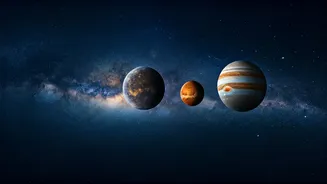



What Exactly Is a Planetary Gathering?
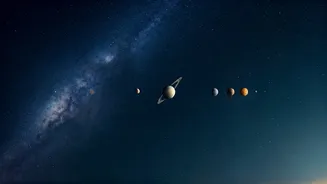
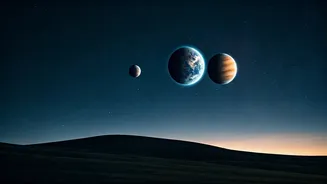
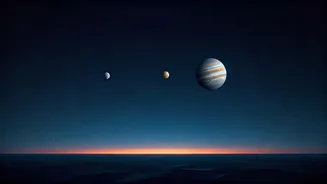
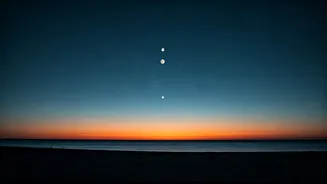
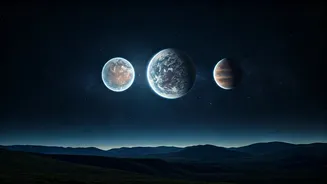
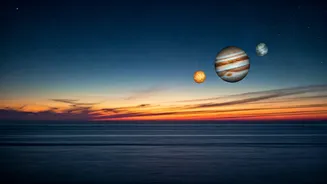
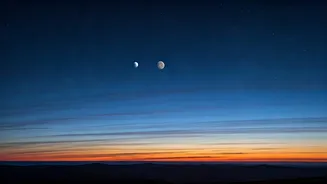
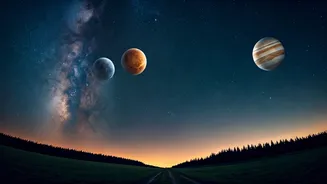
Think of it as a temporary cosmic meeting. A planetary gathering, or conjunction, occurs when two or more planets appear to be very close to each other in our sky. Of course, in the vastness of space, they are still millions of kilometres apart. This
is a line-of-sight illusion, but it’s a breathtaking one. The planets of our solar system all orbit the Sun in roughly the same plane, called the ecliptic. Occasionally, from our vantage point on Earth, several planets will be in parts of their orbits that make them line up in the same small patch of sky, creating a beautiful celestial string of pearls.
The Stars of the Show
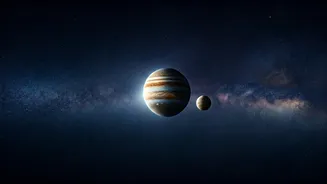
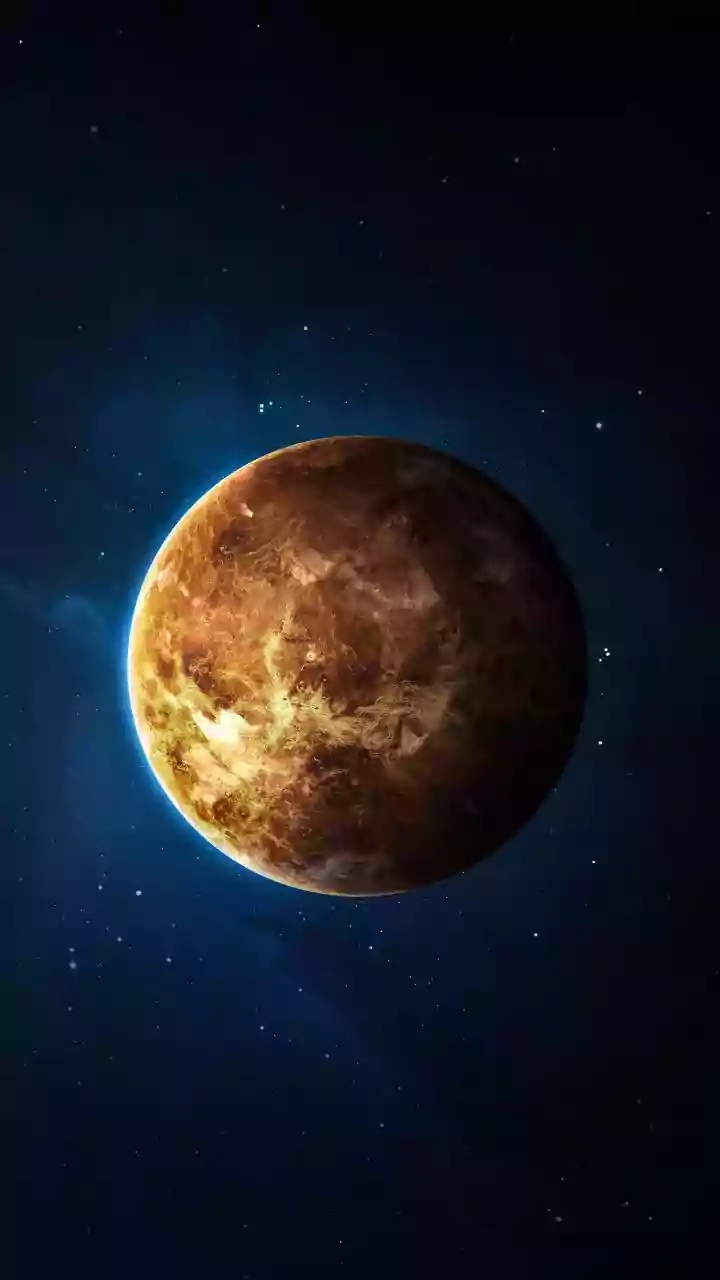
While the exact cast of planetary actors can change, these gatherings often feature some of the brightest and most famous faces of our solar system. Keep an eye out for these key players: **Venus:** You can’t miss it. Venus is often the brightest object in the evening sky after the Moon. It shines with a brilliant, steady, silver light. Because of its brightness, it’s often called the 'Evening Star' when it appears after sunset. **Jupiter:** The king of planets is also incredibly bright, second only to Venus. It doesn't twinkle like a star; it glows with a powerful, constant light. **Mars:** Look for a distinctly reddish-orange point of light. Mars is dimmer than Venus and Jupiter but its unique colour makes it stand out. **Saturn:** This planet appears as a steady, yellowish-white point of light. While you won’t see its famous rings with the naked eye, its presence adds a regal touch to any planetary lineup. **Mercury:** This is the trickiest one to spot. As the closest planet to the Sun, it never strays far from it in our sky. Look for it very low on the horizon just as the twilight fades. It appears as a small, star-like point of light.
When and Where to Look
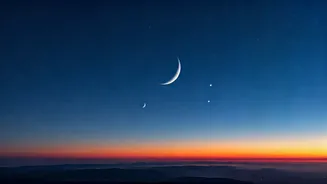
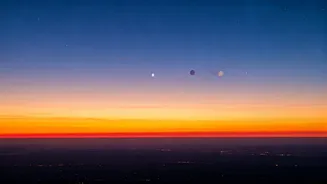
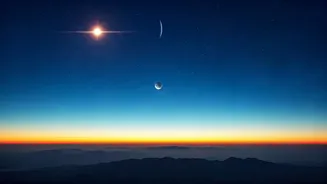
The magic hour for this celestial event is just after sunset. Find a clear view of the western horizon—the direction where the sun has just set. The best viewing window is typically between 30 and 75 minutes after sunset. This is when the sky is dark enough for the planets to pop out, but before they sink too low and disappear below the horizon. As twilight deepens, the planets will seem to brighten. Venus will likely be the first to appear, piercing through the fading glow of the sun.
Your Stargazing Checklist
You don't need a fancy telescope to enjoy this spectacle. Here’s how to get the best view: 1. **Find a Dark Spot:** Move away from the glare of city streetlights if you can. A park, a rooftop, or even a balcony facing the right direction will do. The less light pollution, the more you'll see. 2. **Give Your Eyes Time:** It takes about 15-20 minutes for your eyes to fully adapt to the dark. Be patient and avoid looking at your bright phone screen. 3. **Use Binoculars:** While not essential, a standard pair of binoculars can dramatically enhance the view. You might even be able to spot the four largest moons of Jupiter—Io, Europa, Ganymede, and Callisto—appearing as tiny pinpricks of light right next to the planet. 4. **Download a Stargazing App:** Apps like SkyView, Star Walk, or Stellarium can be a huge help. Simply point your phone at the sky, and the app will identify which planet is which in real-time. It’s a great way to learn what you’re looking at.
Is This a Rare Event?
While alignments involving multiple planets are not 'once-in-a-lifetime' events, they are certainly special enough to be worth your time. Conjunctions of two planets, like Venus and Jupiter, are relatively common. But seeing three, four, or even five planets clustered together in the same small sector of the sky is much less frequent and always a magnificent sight. Each gathering is unique in its own way—the specific planets involved, their spacing, and their brightness create a different celestial portrait every time.