





The Global Superstar: What is Kombucha?
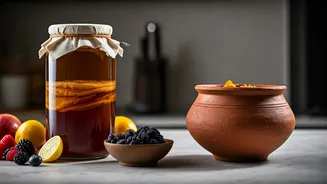
Kombucha is a fizzy, fermented tea that has taken the wellness world by storm. It's made by adding a SCOBY—a Symbiotic Culture of Bacteria and Yeast—to sweetened black or green tea. The mixture is left to ferment, creating a slightly tangy, carbonated
beverage that's often flavoured with fruits and spices. Rich in probiotics, antioxidants from the tea, and B vitamins, kombucha is championed as a modern health elixir. Its popularity stems from its positioning as a healthy alternative to sugary sodas, offering a complex flavour profile that can range from sweet to vinegary.
The Desi Classic: Introducing Kanji
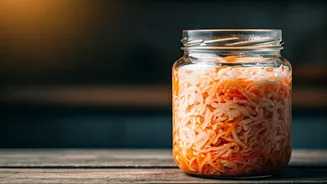
Kanji is a traditional North Indian fermented drink with deep cultural roots, often prepared in households to welcome the spring or stay healthy during seasonal changes. Unlike kombucha's tea base, kanji is typically made from black carrots (kali gajar) or sometimes beetroot, which give it a vibrant, deep purple-red colour. The process involves fermenting these vegetables in water with salt and coarsely ground mustard seeds. It relies on the natural microbes present on the vegetables, resulting in a savoury, tangy, and pungent drink that is completely caffeine-free.
The Gut Health Battle
Both drinks are celebrated for their probiotic content, which is crucial for maintaining a healthy gut, especially during the monsoon when digestion can become sluggish. Kombucha, with its SCOBY base, offers a diverse range of bacteria and yeasts. Kanji, on the other hand, is a product of lacto-fermentation, dominated by beneficial bacteria like Lactobacillus, which are known to be particularly resilient in the human gut. Some experts suggest that the strains in traditional ferments like kanji might be better suited for Indian gut microbiomes, which are accustomed to a diet rich in spices and fibre.
Immunity for the Rains
The monsoon season often brings a higher risk of infections, making immunity a top priority. Both drinks offer benefits in this department. Kombucha's antioxidants, derived from tea, can help protect cells from damage. Kanji packs a powerful punch with antioxidants called anthocyanins from the black carrots, which are linked to reducing inflammation. The mustard seeds in kanji also possess antimicrobial properties, helping to fend off harmful pathogens while allowing good bacteria to thrive. Furthermore, a healthy gut, supported by either probiotic drink, is fundamentally linked to a strong immune system.
Taste, Tolerance, and Sugar
When it comes to flavour, the two are worlds apart. Kombucha is effervescent, slightly sweet, and tangy, often compared to a sparkling cider. Kanji is savoury, salty, and sharp with a distinct pungent kick from the mustard. In terms of sugar, kanji has a natural advantage. It is typically very low in sugar, as the small amount present in the carrots is consumed during fermentation. Commercial kombucha, however, can have variable sugar content, and it's something to watch out for if you're managing your intake.
DIY vs. Store-Bought
Making kanji at home is a relatively simple process of combining carrots, water, and spices in a jar and letting it ferment in the sun for a few days. Kombucha requires a bit more commitment, as you need to acquire and maintain a SCOBY. Commercially, kombucha is widely available, but it can be pricey. It's also important to check that store-bought versions are unpasteurised to ensure the live cultures are intact. Kanji is less common commercially but is gaining traction as a homegrown 'super-shot' of wellness.