



As a chill descends across India, our kitchens naturally turn to comforting, warming meals. Winter is a season defined by its food—hearty, spiced, and deeply nourishing dishes that do more than just feed us; they warm our souls.
The Soul of Winter: Soups and Shorbas
There is nothing quite
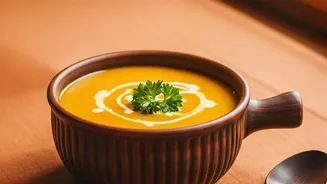
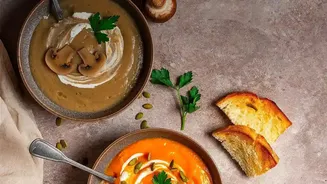
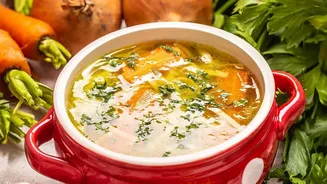
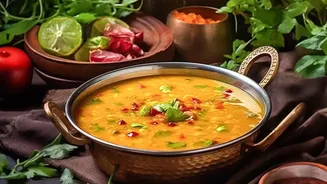
like a steaming bowl of soup on a cold evening. In India, this takes the form of shorbas and regional broths that are both flavourful and restorative. A classic Tamatar ka Shorba, spiced with ginger and black pepper, is a North Indian staple that provides immediate warmth. In the South, a peppery Rasam made with tamarind, tomatoes, and spices is a go-to remedy for winter colds. Lentil-based soups like Moong Dal Shorba are comforting and easy on the gut, packed with protein to keep you energised. For a more robust option, the Tibetan-influenced Thukpa, a noodle soup popular in the Northeast, offers a hearty meal in a bowl, often filled with vegetables or meat.
The Power of Produce: Seasonal Sabzis
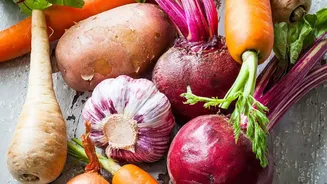
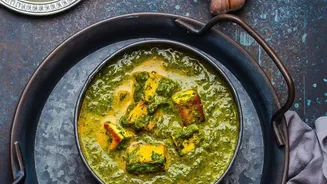
Winter brings a bounty of fresh vegetables that are at their peak in terms of flavour and nutrition. The most iconic of these is perhaps Sarson ka Saag, a Punjabi delicacy made from mustard greens, best enjoyed with Makki ki Roti (cornmeal flatbread). The vibrant red carrots available during this season are not just for Gajar ka Halwa; they are also used in sabzis and pickles. Leafy greens like methi (fenugreek) and palak (spinach) are abundant. A simple Aloo Methi or Palak Paneer becomes a seasonal treat. In Gujarat, winter is celebrated with Undhiyu, a slow-cooked mixed vegetable casserole featuring winter produce like purple yam, sweet potatoes, and flat beans.
Hearty and Humble: Dals and Legumes
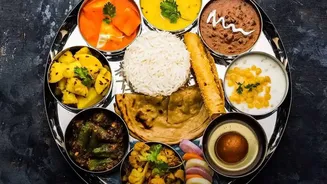
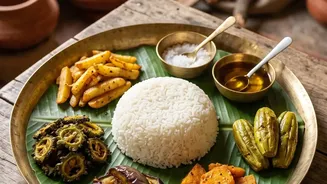
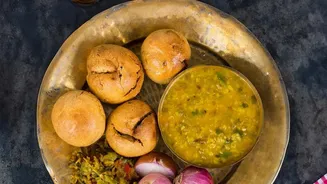
Lentils and legumes are the backbone of Indian comfort food, and winter is the perfect time to enjoy richer preparations. Dal Makhani, a creamy, slow-cooked dish of black lentils and kidney beans, is a universal favourite that feels especially satisfying on a cold day. Rajma Masala, a spiced kidney bean curry from Punjab, served with steaming rice, is another classic winter meal that warms you from the inside out. In the mountainous regions of Uttarakhand, Gahat (horse gram) is used to make a nutritious soup known for its warming properties. The dal is considered heat-inducing and is a staple in many parts of South India during colder weather as well.
Grains of Warmth: Breads and Rice Dishes
The grains we eat also shift with the season. In states like Rajasthan and Gujarat, the focus moves from wheat to millets like bajra (pearl millet) and makki (maize). Bajra rotis, often served with a dollop of ghee and garlic chutney, are prized for their ability to generate body heat. Bajra Khichdi is another wholesome onepot meal that provides sustained energy. In North India, stuffed parathas are a breakfast staple. Mooli (radish) parathas, made with the pungent winter root vegetable, are particularly popular. These breads are not just filling; their ingredients are chosen for their warming effects.
Sweet Endings: Winter Desserts
No winter menu is complete without traditional Indian sweets, many of which are made specifically during this season. Gajar ka Halwa, a rich pudding of grated carrots slow cooked in milk and ghee, is perhaps the most beloved winter dessert. Another category of winter sweets is made from sesame seeds (til) and jaggery (gud), such as Til ke Laddoo and Gajak or Chikki. These are popular around festivals like Makar Sankranti and are eaten to keep the body warm. Gond ke Laddoo, made with edible gum, wheat flour, and nuts, are another energy dense sweet traditionally prepared to provide strength and warmth during the colder months.