







Understanding the ‘First Filter’
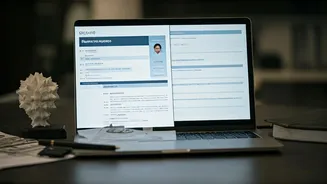
The first filter in the hiring process is a dual challenge. The first part is the Applicant Tracking System (ATS), a software used by the vast majority of large companies to scan and rank resumes. [20, 24] This software looks for specific keywords and phrases
from the job description to determine if a candidate is a potential match. [20, 25] If your resume format is too complex—using multiple columns, tables, or non-standard fonts—the ATS might fail to parse it correctly, discarding your application. [22, 23] The second part of the filter is the human element. Recruiters spend, on average, just a few seconds on their initial scan of a resume. [12] They are looking for immediate, tangible evidence of your skills and accomplishments. If your value isn't obvious within that brief window, you risk being overlooked. Projects are a direct answer to both of these challenges.
Why Projects Are Your Secret Weapon
While a resume lists your experiences, a portfolio of projects proves your capabilities. [15, 17] Projects provide concrete examples of your work, demonstrating initiative, passion, and problem-solving skills in a way that a job title alone cannot. [2, 10, 19] For recruiters, a well-documented project is a tangible asset that reduces hiring risk; it shows what you can *do*, not just what you claim to know. [17, 18] This is especially crucial for recent graduates, career changers, or anyone with limited formal experience in a new field. [16] Instead of just listing 'Python' as a skill, you can point to a data analysis project you built, showing how you applied that skill to achieve a real outcome.
Choosing Projects That Count
Not all projects are created equal. To be effective, a project must be relevant to the job you are targeting. [13, 14] Avoid generic exercises like a basic calculator or to-do list app, as they fail to impress hiring managers. [2, 3] Instead, focus on projects that solve real-world problems. [3, 4] This could be building a personal finance tracker, creating a tool to automate a tedious task, or contributing to an open-source project. [1, 3] Even small bug fixes or documentation updates to open-source software show that you can collaborate and read code written by others. [1] Aim to have 3-5 significant projects that showcase a variety of skills, such as front-end, back-end, or data analysis, depending on your field. [7] The goal is to tell a story about your abilities and interests. [7]
How to Describe Your Projects Like a Pro
The description of your project is just as important as the project itself. To pass the ATS and impress recruiters, you need to be strategic. First, use keywords from the job description naturally within your project descriptions. [22] This helps the ATS identify you as a match. [10, 20] Second, quantify your achievements whenever possible. [5, 11] Instead of saying you "improved performance," state that you "reduced server response time by 34%." [10] Numbers provide credible, concrete evidence of your impact. [5, 8] Use bullet points starting with strong action verbs like "developed," "managed," or "launched" to describe your contributions. [8, 14] For each project, briefly explain the problem, the actions you took, and the measurable results you achieved. [13] If you can link to a live demo, a GitHub repository, or a detailed case study, even better. [2]
Structuring Your Resume for Impact
The description of your project is just as important as the project itself. To pass the ATS and impress recruiters, you need to be strategic. First, use keywords from the job description naturally within your project descriptions. [22] This helps the ATS identify you as a match. [10, 20] Second, quantify your achievements whenever possible. [5, 11] Instead of saying you "improved performance," state that you "reduced server response time by 34%." [10] Numbers provide credible, concrete evidence of your impact. [5, 8] Use bullet points starting with strong action verbs like "developed," "managed," or "launched" to describe your contributions. [8, 14] For each project, briefly explain the problem, the actions you took, and the measurable results you achieved. [13] If you can link to a live demo, a GitHub repository, or a detailed case study, even better. [2]