







The New Definition of Stuck
On paper, millions of Indians are 'employed'. They have a designation, a desk, and a monthly salary. Yet, this stability often hides a deeper issue: underemployment. This isn't just about working part-time when you want a full-time role. It's about being
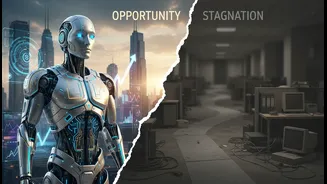
profoundly mismatched with your job. Think of the engineering graduate working as a bank teller or a data analyst performing basic clerical tasks. This is known as horizontal and vertical mismatch, where a worker's qualifications and skills far exceed the demands of their job. Recent data paints a stark picture of this reality, with some studies suggesting a vast majority of graduates end up in jobs unrelated to their field of study. This situation, where you are employed but not utilized, is the new face of career stagnation. You have the security of a contract but lack the satisfaction and financial rewards of meaningful work.
Why Are So Many Careers Hitting a Wall?
Several powerful forces are creating this widespread career gridlock. The most significant is a persistent, structural mismatch between education and industry needs. Educational institutions in India are producing millions of graduates, but a large percentage are not considered readily employable by companies. According to the India Skills Report, roughly one in two graduates is unprepared for the modern workplace, often because of outdated curricula and an overemphasis on theory over practical skills. Compounding this is what some experts call 'employer poverty'. A vast portion of the Indian economy consists of small-scale enterprises that, despite providing jobs, lack the resources and structure to offer genuine career progression, structured learning, or significant wage growth. Many workers are also held back by a simple lack of awareness about the diverse career paths available, leading them to crowd into a few traditional professions where supply far outstrips demand.
The Human and Economic Cost
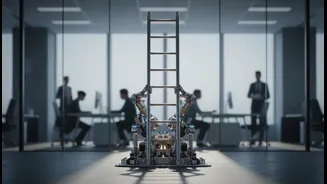
Being underemployed is more than just an inconvenience; it carries a significant human and economic cost. For individuals, it breeds dissatisfaction, erodes motivation, and can lead to mental stress. When ambitious and high-performing employees see no path forward, they don't just stay put; they leave. Research shows that a lack of career advancement opportunities is a primary driver of attrition, with many Indian professionals feeling they have to switch companies just to climb the ladder. For businesses, this churn is expensive. It leads to lower productivity, increased recruitment and training costs, and a constant drain of institutional knowledge. On a national scale, a chronically underemployed workforce means India is failing to capitalise on its much-talked-about demographic dividend. When millions of skilled and educated young people are stuck in low-productivity roles, the entire economy's potential for innovation and growth is stunted.
Navigating the New Reality
The hard truth is that the old model of a single, stable job for life is becoming obsolete. In this new landscape, stability is not a destination but a temporary state that requires constant upkeep. The onus is shifting onto the individual to become the CEO of their own career. This means embracing continuous learning and upskilling. With global bodies estimating that a significant percentage of core job skills will be disrupted by 2030, waiting for your employer to train you is no longer a viable strategy. At the same time, there is a growing call for systemic change. Policymakers and corporations must work together to bridge the gap between academia and industry. Initiatives like mandatory internships and credit-based experiential learning, as envisioned in the National Education Policy, are steps in the right direction. For today's professional, the goal is shifting from simply finding a job to building a dynamic and adaptable career.