



The Cardinal Sin of Organising
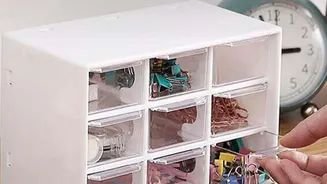
The most common organising mistake is buying storage containers first. It’s an easy trap to fall into. You see perfect, matching baskets and envision them magically solving your clutter problem. But professional organizers agree that this approach is backward
and often leads to more problems. You end up with organisers that are the wrong size for your items or the wrong shape for your space. Instead of creating order, you’ve just purchased more clutter, wasting time, money, and valuable cupboard real estate.
Your New Mantra: Declutter First
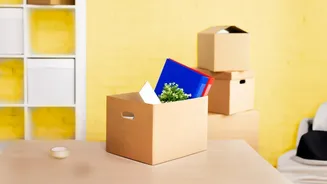
Before you even think about buying a single bin, you must declutter. Organisation is not about finding clever ways to hide things you don’t need; it’s about creating a functional and peaceful space with only the items you use and love. Start small to avoid feeling overwhelmed. Pick one drawer, one shelf, or one countertop. Take everything out and sort items into three piles: keep, donate/sell, and trash. Be ruthless. The goal is to honestly assess what you need before you can figure out how to store it. Only after you have edited your belongings down to the essentials can you see what truly needs a home.
The Art of Measuring Everything
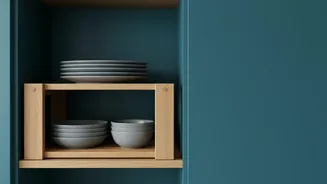
Once you know what you’re keeping, it’s time to break out the tape measure. This is the most crucial step to ensure your storage solutions fit perfectly. First, measure the space where the containers will live. For a shelf, you need the width, depth, and the vertical height available. For a drawer, measure the internal length, width, and depth. Don’t stop there. Next, measure the items you plan to store. If you’re organising pantry items, measure the height of the pasta boxes or the width of the spice jars. Storing books? Measure your tallest and widest book. This data is your secret weapon.
Create a Blueprint for Success
With your measurements in hand, you can create a simple plan. You don't need fancy software; a quick sketch on a piece of paper works wonders. Draw the shelf or drawer and note its dimensions. Now, look at the dimensions of the items you need to store. This helps you visualise what kind of container will be most efficient. Will round containers leave too much wasted space? Would rectangular, stackable bins be better? This planning phase allows you to solve logistical problems on paper, before you've spent any money or effort.
Shop Smart, Not on Impulse
Now, and only now, are you ready to shop. Head to the store (or website) armed with your list of measurements. Your list is your shield against tempting but impractical impulse buys. When you see a container you like, check its dimensions— paying attention to the internal measurements, not just the external size. Does it match the numbers on your list? Will it hold the items you designated for it? This methodical approach removes guesswork and guarantees that everything you bring home will have a specific purpose and a perfect fit, transforming your space into a model of efficiency.