

From Kitchen Staples to Cult Favourites
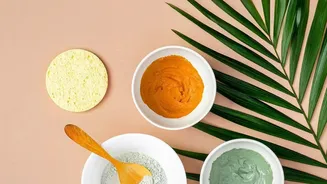
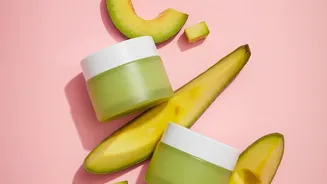
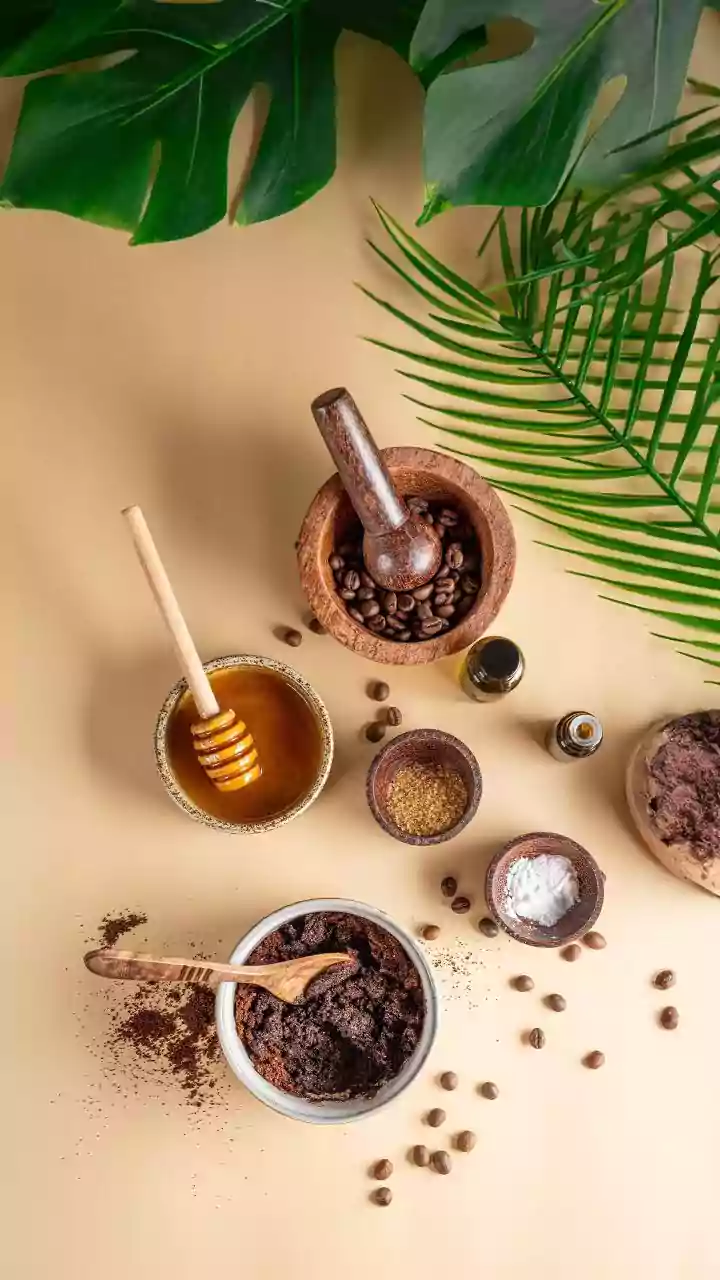
The latest wave in skincare isn't coming from a high-tech lab but from the produce aisle. Ingredients once reserved for cooking are now the hero components in serums, masks, and moisturisers. This movement, often dubbed “kitchen beauty” or “foodie skincare,”
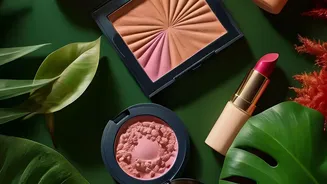
is driven by a growing consumer demand for transparency and products with recognisable, natural ingredients. Brands are tapping into the comforting familiarity of food, rebranding simple brown makeup as “latte makeup” or a pink blush as “strawberry girl” makeup to create a nostalgic and sensory connection with customers. This shift is part of the larger “clean beauty” trend, where shoppers prioritise formulations they perceive as safe, sustainable, and free from synthetic chemicals. More than 60% of consumers now prefer products with natural ingredients, believing them to be safer and more effective.
An Enduring Legacy of Indian Beauty Rituals
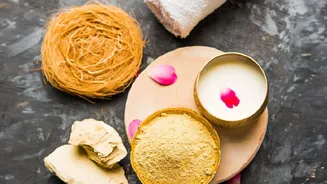
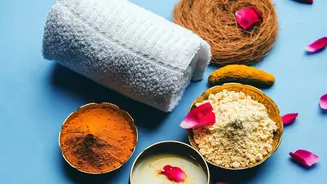
For Indian consumers, this trend feels both new and deeply familiar. The practice of using kitchen ingredients for beauty is a cornerstone of Indian culture, rooted in Ayurveda's 5,000-year-old wisdom. Generations have passed down recipes for 'ubtan' made with turmeric (haldi) and gram flour (besan), or hair masks with amla (Indian gooseberry) and yogurt (dahi). These time-tested rituals view beauty as a reflection of overall health, focusing on nourishing the skin from within using plant-based ingredients. What was once 'dadi ke nuskhe' (grandmother's remedies) is now being repackaged by modern brands, blending ancient knowledge with contemporary science. Ingredients like turmeric, neem, sandalwood, and saffron are moving from home remedies to premium skincare lines, validating the efficacy that generations of Indians have trusted.
The Stars of the Supermarket Aisle
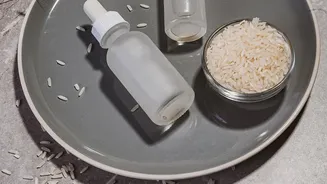
Certain ingredients are having a major moment. Rice water, a staple in Asian beauty rituals for centuries, is now celebrated in modern cosmetics for its hydrating, anti-inflammatory, and potential anti-aging properties. Studies have shown it contains vitamins, minerals, and antioxidants that can benefit both skin and hair. Fermented rice water, in particular, may help brighten skin and reduce hyperpigmentation. Similarly, turmeric is prized for its ability to brighten skin tone and calm irritation. Brands are now creating sophisticated formulas that offer its benefits without the traditional staining. Other popular ingredients include amla, a powerhouse of Vitamin C that helps boost collagen, and tulsi (holy basil), known for its purifying antibacterial properties that help fight acne.
Science vs. Hype: What Consumers Should Know
While the allure of natural ingredients is strong, experts caution that formulation is everything. A food ingredient's effectiveness in a cosmetic product depends on its concentration, stability, and how it's delivered to the skin. Simply having a trendy ingredient on the label doesn't guarantee results. For example, modern science is now validating the benefits of traditional ingredients like neem, but new formulations use standardised extracts in controlled amounts to maximise efficacy and safety in a way that a simple homemade paste cannot. Advanced techniques like nanoencapsulation are being used to improve the bioavailability of these food-derived actives, ensuring they can actually make a difference to your skin. While DIY masks can be a fun ritual, a professionally formulated product often offers more reliable and potent results. Always remember to patch-test any new product or ingredient, natural or not, before applying it fully.