




A New Global Star
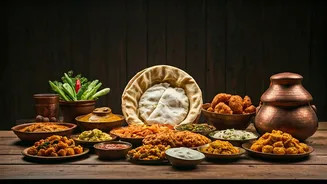
Kerala's culinary scene is officially on the world map. Esteemed travel guide Lonely Planet recently named Kerala's food culture among its top 25 global travel experiences for 2026, the only mention from India. [3, 4] This isn't just about a few good
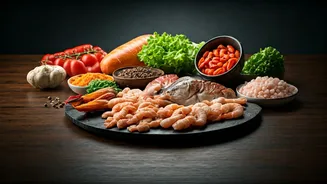
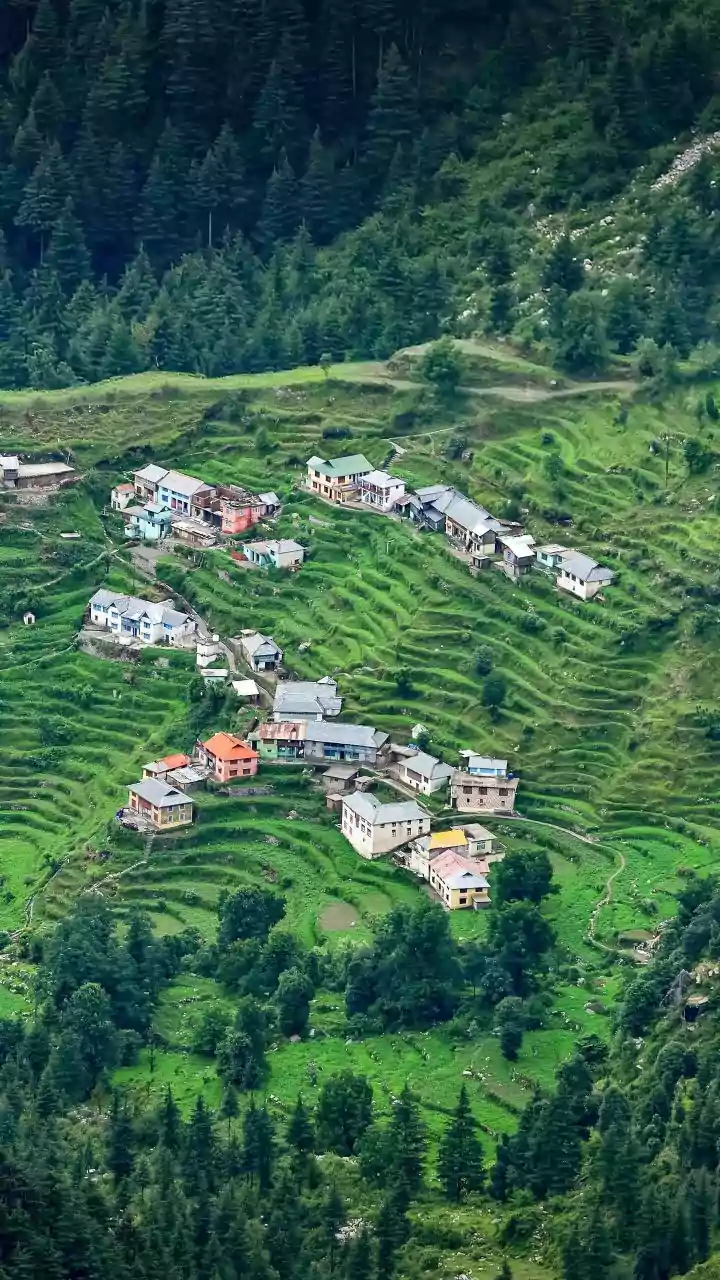
dishes; it's an acknowledgment of a rich, living food tradition that tells a story of the state's geography, history, and diverse communities. [4, 10] This recognition moves Kerala beyond a scenic destination to a must-visit for gastronomic adventurers, cementing its status as a top-tier culinary hotspot. [4, 6] The spotlight highlights how the cuisine is a direct reflection of its environment—the long coastline provides abundant seafood, coconuts grow everywhere, and the fertile land yields a variety of produce and spices. [2, 9]
The Soul of the Spice Coast
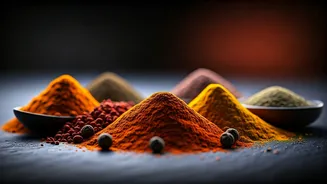
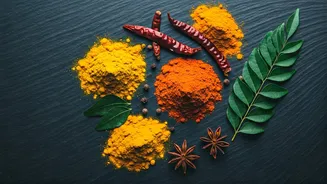
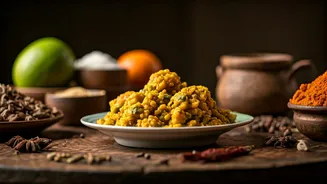
You can't talk about Kerala's food without talking about spices. For millennia, this sliver of land on India's southwestern coast was the epicentre of the global spice trade. [2, 21] Traders from ancient Rome, Arabia, and later, Europe, flocked to its shores for black pepper—the 'king of spices'—along with cardamom, cloves, and cinnamon. [8, 21, 22] This trade didn't just bring wealth; it brought cultural exchange. Arab, Portuguese, Dutch, and British influences have all been woven into the local food traditions over centuries, creating a unique culinary tapestry. [2, 22, 23] For instance, the Portuguese introduced chillies and vinegar, which are now staples, while Arab traders influenced the rich, aromatic meat dishes of the Malabar region. [23]
A Symphony of Flavours
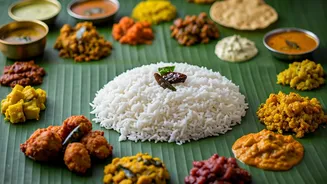
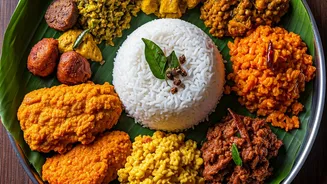
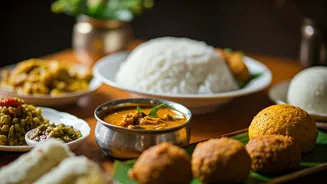
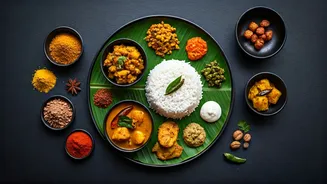
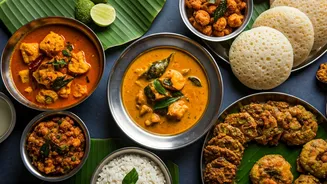
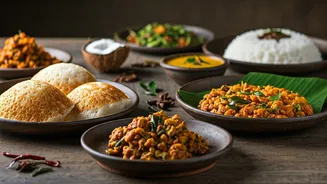
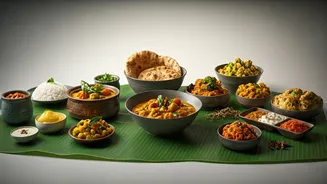
To speak of a single 'Kerala cuisine' is almost an oversimplification. The food changes dramatically from north to south, shaped by different communities and local ingredients. In the north, the Malabar region is famous for its Mappila (Muslim) cuisine, known for fragrant biryanis like the Thalassery biryani and layered pastries like Chatti Pathiri. [3, 6] Central Kerala's cuisine is heavily influenced by the Syrian Christian community, featuring iconic pairings like soft, lacey Appam (rice pancakes) served with a mild, creamy stew made with chicken, mutton, or vegetables. [2, 5] The south is renowned for its elaborate vegetarian feasts, or Sadya, a banquet of 20 or more dishes served on a banana leaf for celebrations like Onam and Vishu. [2, 7]
Iconic Dishes to Discover
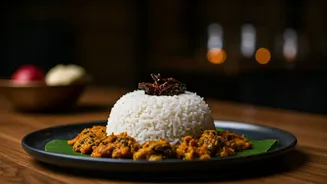
Beyond the well-known Appam and stew, Kerala's culinary repertoire is vast. For seafood lovers, there is Karimeen Pollichathu, where pearl spot fish is marinated in spices, wrapped in a banana leaf, and grilled, sealing in the flavours. [5, 6] Puttu, a steamed cylinder of rice flour and coconut, is a breakfast staple often served with Kadala Curry (black chickpea curry). [2, 9] The backwaters offer toddy shops where you can find fiery fish curries and Kappa (tapioca). [3] For meat-eaters, the Naadan Beef Fry is a legendary dish, slow-roasted with spices until dark and fragrant. [9] And for a sweet finish, the Kozhikode Halwa and various types of Payasam (a milk-based pudding) are unmissable. [2, 11]
Modern Palate, Ancient Roots
Part of the reason for the current spotlight is the work of contemporary chefs, both within Kerala and on the international stage. [14] Chefs like Suresh Pillai and Jomon Kuriakose are bringing the authentic, nuanced flavours of their homeland to a global audience, moving beyond the generic 'Indian curry' stereotype. [14, 17] They are championing regional specialities and telling the stories behind the dishes, from the Mappila kitchens of Malabar to the vegetarian traditions of Thiruvananthapuram. [17] This new wave of culinary ambassadors, combined with a growing traveller demand for authentic, story-rich experiences, has created the perfect moment for Kerala's food culture to shine. [8, 19]