

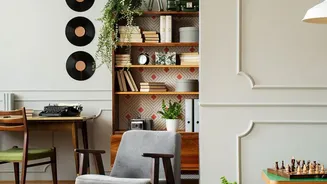

What is an Earthy Aesthetic?
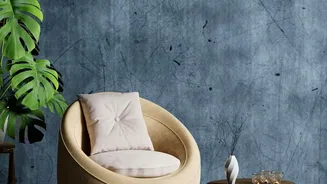
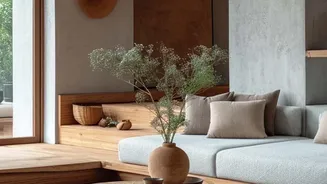
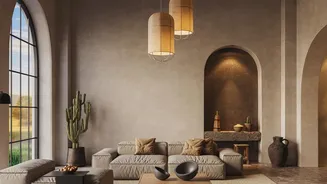
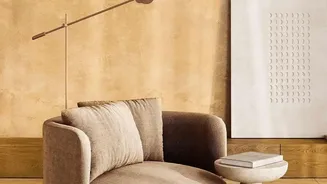
At its core, an earthy home is one that prioritizes natural materials, organic textures, and a soothing, nature-inspired color palette. It’s a style that blends the clean lines of modern design with the warmth and imperfection of the natural world. Think
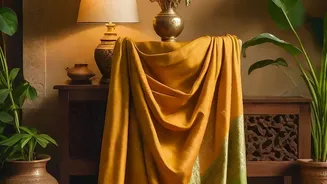
of spaces bathed in sunlight, furnished with raw wood and soft linen, and decorated with stone, clay, and an abundance of plant life. This approach, often called 'organic modern,' moves away from sterile, minimalist interiors towards environments that feel inviting and lived-in. The goal isn't perfection; it's authenticity. It’s about celebrating the unique grain in a piece of wood, the subtle texture of a handmade ceramic vase, and the gentle fade of natural dyes.
A Sanctuary for the Senses
The rise of earthy interiors is about more than just looks; it's a response to our need for mental well-being. This design philosophy is rooted in 'biophilia'—the idea that humans have an innate tendency to connect with nature. Studies have shown that incorporating natural elements into our homes can reduce stress, improve mood, and enhance focus. After years spent indoors, designers and homeowners are recognizing that our environments profoundly affect our state of mind. Creating a connection to the outdoors, even a symbolic one through materials and colors, helps ground us and provides a necessary escape from the digital saturation of modern life. A soft, neutral palette of sage green, terracotta, and warm beige calms the nervous system, while tactile surfaces like wool, jute, and rough-hewn wood engage our sense of touch.
The Essential Materials and Textures
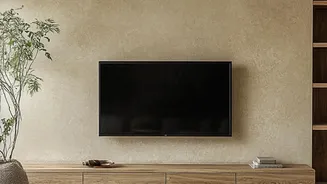
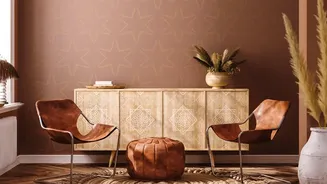
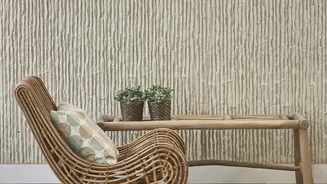
Building an earthy aesthetic is all about the materials. Wood is a cornerstone, from oak and walnut furniture to reclaimed timber beams. It brings warmth and character that no synthetic material can replicate. This is complemented by other natural elements like stone for countertops or accent walls, and rattan or cane for chairs and light fixtures. Textiles play a huge role in softening the space. Look for linen curtains, cotton throws, and jute or sisal rugs, which add layers of texture and comfort. For decor, ceramics, terracotta pots, and stone sculptures reinforce the connection to the earth. In India, this trend seamlessly incorporates traditional materials like jute, bamboo, and reclaimed woods, which have long been part of sustainable household design.
Bringing the Outside In
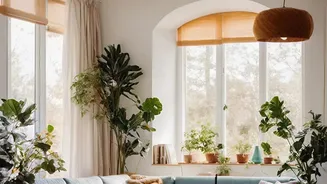
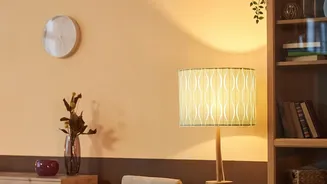
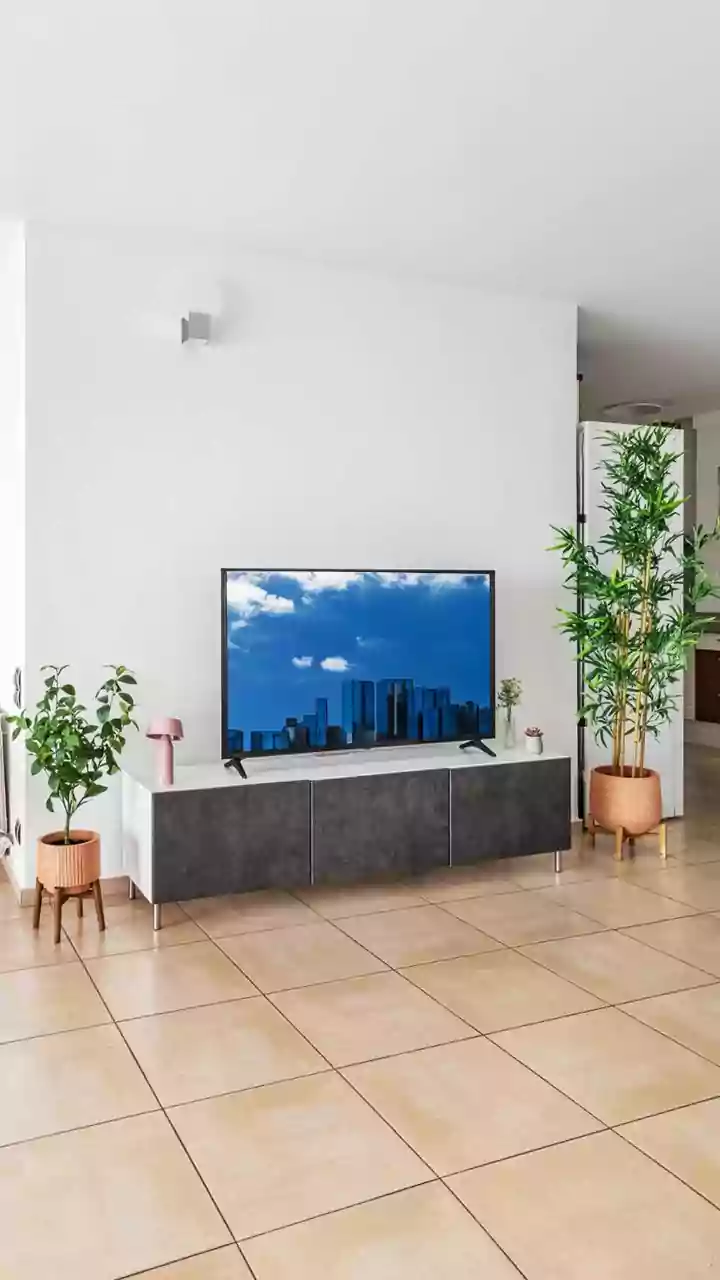
A key principle of the earthy home is blurring the line between indoors and outdoors. Maximizing natural light is the first step; sheer curtains and strategically placed mirrors can make a space feel brighter and more open. An abundance of indoor plants is non-negotiable. They not only add a splash of living color but also improve air quality and have a proven calming effect. For homes in urban areas where a garden view might be a luxury, creating green vignettes on a balcony or a kitchen window with herb planters can be just as effective. The idea is to create deliberate connections to nature, whether it’s through a large window framing a tree or a small pot of fresh basil on the counter. Every bit of green contributes to a healthier, more restorative home environment.