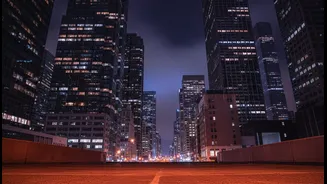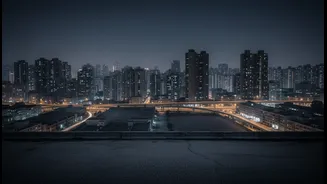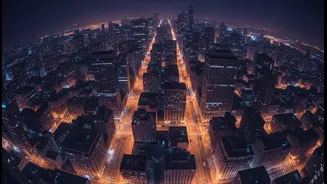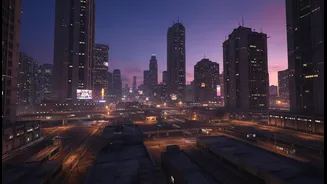




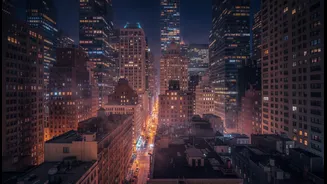
The City That Never Cools
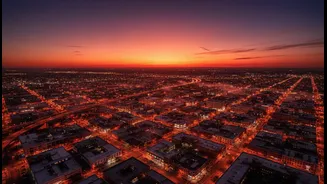
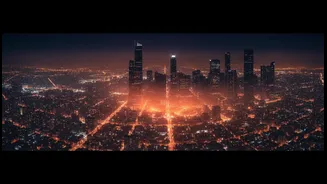
We've all felt it: the blast of heat radiating from a pavement long after sunset. This phenomenon is known as the Urban Heat Island (UHI) effect. In simple terms, our cities are hotter than the surrounding rural areas. While a few degrees might not sound
like much during the day, the real danger emerges at night. Nighttime temperatures in a dense city can be significantly higher than in nearby green areas. This persistent heat, especially after midnight, is what turns a simple weather pattern into a serious health concern.
The Science of a Concrete Oven
The primary culprits are the materials we use to build our world. Concrete and asphalt are masters at absorbing and storing solar radiation. During the day, they soak up the sun's energy. Unlike natural surfaces like soil and vegetation which cool down quickly by releasing heat and through evaporation, these dense, dark materials are slow to let go. They spend the entire night slowly radiating the day's accumulated heat back into the air. This process keeps the ambient temperature artificially high, essentially turning the city into a giant, slow-roasting oven that doesn't get switched off at night.
The Danger After Dark
The crucial function of nighttime is to provide a period of recovery from daytime heat. Our bodies rely on cooler temperatures to rest and regulate, especially during sleep. When cities fail to cool down, the body remains under constant thermal stress. Health experts warn that high overnight temperatures are particularly dangerous because they rob us of this essential recovery period. This relentless exposure can lead to a host of health problems, as the heart works harder to keep the body cool, a strain that accumulates day after day during a heatwave.
A Magnified Health Crisis
Sustained high nighttime temperatures dramatically increase the risk of heat-related illnesses like heat exhaustion and heatstroke. The impacts are wide-ranging, leading to increases in hospitalisations for cardiovascular issues, respiratory diseases, and even strokes. Vulnerable populations—including the elderly, young children, and individuals with pre-existing conditions like heart disease or diabetes—are at a much higher risk. Studies have shown a clear link between hot nights and increased mortality, making the urban heat island effect a critical public health issue that goes far beyond simple discomfort.
More Than Just Concrete
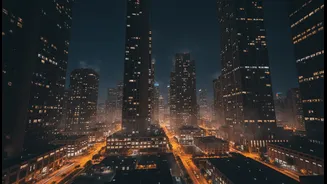
While concrete and asphalt are the main drivers, other factors contribute to the urban heat trap. The sheer density of tall buildings can block wind flow, preventing hot air from dissipating. Furthermore, waste heat from millions of air conditioners, vehicle engines, and industrial processes constantly pumps more warmth into the urban environment. This combination of heat-retaining surfaces and heat-generating human activity creates a feedback loop that intensifies the UHI effect, making our cities hotter with each passing year.
Designing Cooler Cities for the Future
The situation is not irreversible. Cities around the world are exploring innovative solutions to combat the urban heat island effect. Strategies include implementing 'cool pavements' and roofs made of reflective materials that absorb less heat. Increasing green spaces by planting more trees, creating parks, and installing green roofs provides shade and natural cooling through evapotranspiration. Even using permeable concrete that allows water to pass through can help cool surfaces through evaporation. These urban planning shifts are crucial for building more resilient and liveable cities.