






The Allure of the Exotic Aisle
Walk into any upscale grocery store, and you're greeted by an aisle dedicated to wellness wonders. Packets of chia seeds from Mexico, bags of quinoa from Peru, and bunches of kale promise to revolutionise your health. Marketed as 'superfoods', these items
come with a hefty price tag and a narrative of superior nutrition. The appeal is understandable; in our quest for better health, the promise of a single food packed with extraordinary benefits is seductive. However, experts are increasingly pointing out that this global trend might be overshadowing the humble, yet powerful, produce grown right in our own backyards.
Why Fresher is Always Better
The core argument for local, seasonal vegetables is simple: freshness equals nutrition. Produce that is picked at its peak ripeness and consumed shortly after has a higher concentration of vitamins and minerals. Out-of-season produce is often harvested early and transported over long distances, a journey during which its nutritional value degrades. Studies show that the vitamin C content in a locally sourced, seasonal tomato can be significantly higher than in one bought off-season. Beyond nutrition, seasonal eating is kinder to your wallet, as crops are cheaper when available in abundance. It also supports local farmers and reduces the environmental impact associated with long-haul food transport.
Local Champions vs. Imported Contenders
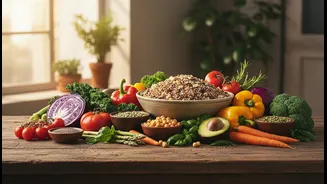
Before you spend a fortune on the next big trend, consider these powerful local alternatives. For instance, tiny black sabja (basil seeds) are a fraction of the cost of chia seeds. While chia seeds have more omega-3s, sabja seeds often have more iron, an essential nutrient, particularly for Indian women. Similarly, our native millets like jowar, bajra, and ragi stand tall against quinoa. While quinoa is a complete protein, millets are rich in dietary fibre and antioxidants, have a low glycemic index, and are better suited to our climate and digestive systems. And the much-hyped kale? It finds a worthy rival in moringa (drumstick leaves) and other local greens like bathua (chenopodium), which are incredibly nutrient-dense and have been part of traditional Indian diets for centuries.
A Guide to India's Seasonal Bounty
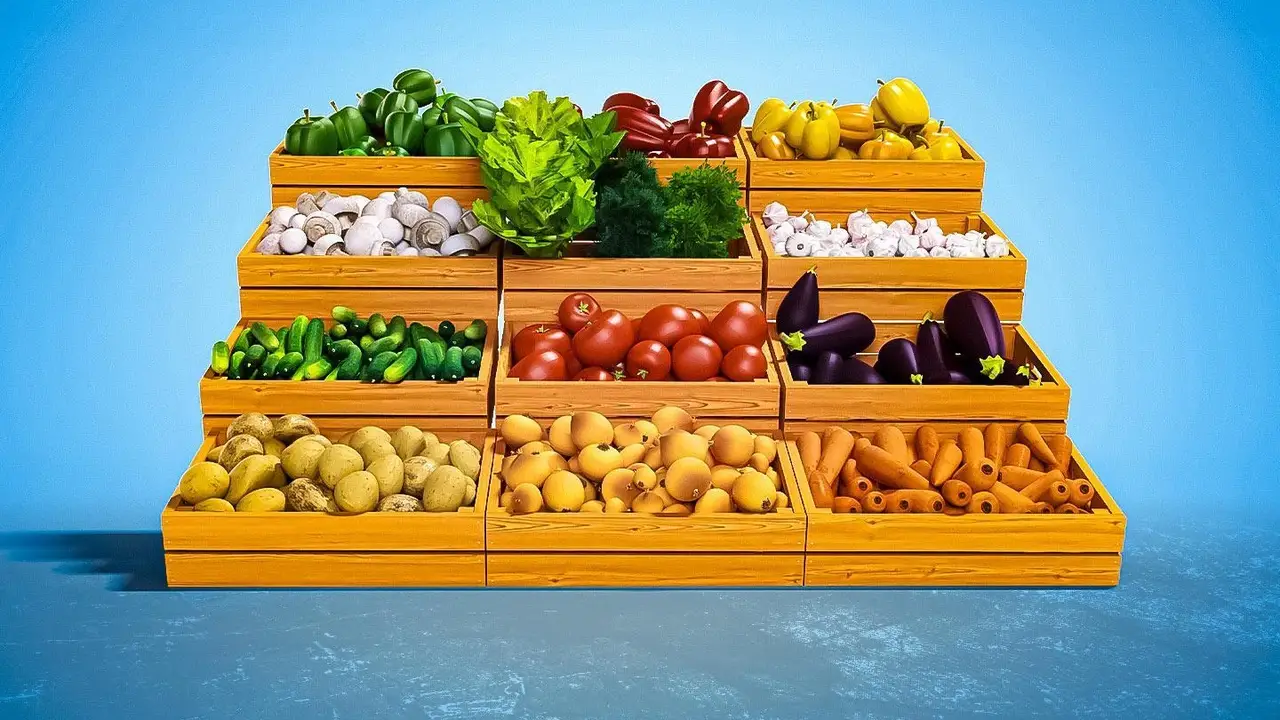
Eating with the seasons ensures your body gets the right kind of nourishment for the climate. It also introduces dietary variety, which is excellent for gut health. Here is a simple guide: Summer (March-June): Focus on cooling, hydrating vegetables like cucumber (kheera), bottle gourd (lauki), pumpkin (kaddu), and bitter gourd (karela). Monsoon (July-September): This is the time for gourds like ridge gourd (turai), brinjal (baingan), and leafy greens like spinach (palak) and amaranth. Winter (October-February): This is the most abundant season. Enjoy root vegetables like carrots (gajar) and beetroot (chukandar), and a plethora of leafy greens such as fenugreek (methi) and mustard greens (sarson).
How to Embrace Seasonal Eating
Making the switch is easier than you think. Start by visiting your local vegetable vendor or farmer's market instead of relying solely on supermarkets. These vendors naturally stock what is in season and grown locally. Ask them what's fresh and at its best. Plan your weekly meals around seasonal availability; if carrots and peas are abundant and cheap, incorporate them into your curries, stir-fries, and pulao. This approach not only diversifies your diet but also reconnects you with a food wisdom that is deeply embedded in Indian culture and backed by modern science. Eating seasonally isn't a restrictive diet; it's a celebration of flavour, freshness, and smart nutrition.