




The 'Health Halo' and Misleading Buzzwords
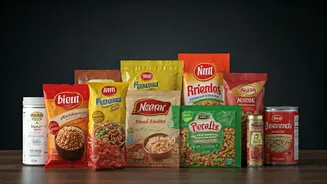
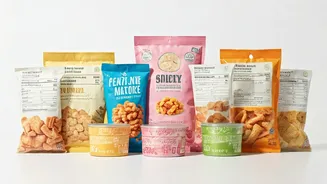
Food marketers are experts at making products seem nutritious. They use appealing buzzwords like “natural,” “organic,” and “gluten-free” to catch your eye. While these terms aren't always false, they don’t automatically mean a product is healthy. For
example, a snack labelled “all-natural” can still be loaded with sugar and unhealthy fats. A recent crackdown by the Food Safety and Standards Authority of India (FSSAI) highlighted this issue, issuing notices to several brands for using misleading claims like “healthy” without sufficient proof. Terms like "low-fat" can also be a red flag; often, when fat is removed, sugar is added to improve the taste. This creates a “health halo,” where one positive claim makes us assume the entire product is good for us, which is often not the case.
Your First Stop: The Nutrition Label
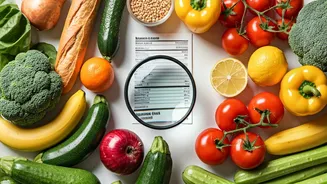
To find the truth, you must ignore the front of the box and turn to the back. The nutrition information panel is your best tool. The first thing to check is the serving size. All the numbers that follow—calories, fat, sugar—apply to that single serving, not necessarily the entire package. A small bag of chips might contain two or three servings, meaning you could be consuming double or triple the listed calories and sodium without realizing it. Next, look at the calories per serving to understand the energy you're getting. Then, scan the Percent Daily Values (%DV), which show how much a nutrient in a serving contributes to a total daily diet. This can help you quickly see if a food is high in nutrients you want to limit, like saturated fat and sodium.
Become a Sugar and Salt Detective
Sugar is a master of disguise. Food manufacturers use many different names for it on ingredient lists. Besides the obvious “sugar,” look for terms like high-fructose corn syrup, sucrose, glucose, dextrose, maltose, and fruit juice concentrate. If any of these appear among the first few ingredients, the product is likely high in added sugar. Many snacks marketed as healthy, such as granola bars, flavoured yoghurts, and even dried fruit, can contain surprising amounts of hidden sugar. Similarly, sodium is a major concern in processed foods. Consuming too much sodium, often hidden in packaged snacks, can lead to high blood pressure, heart disease, and kidney strain. Even foods that don't taste salty can be loaded with it, so always check the sodium content on the label.
Decoding the Ingredient List
The ingredient list is another crucial piece of the puzzle. Ingredients are listed in descending order by weight, meaning the first three ingredients make up the bulk of the product. A good rule of thumb is to look for a short, simple list with ingredients you can recognize and pronounce. If the list is long and full of chemical-sounding names, it’s a sign that the snack is highly processed. Try to choose products where whole foods—like whole grains, nuts, or fruit—are listed first. Be wary of snacks that start with refined grains, sugar, or hydrogenated oils, as these are generally less nutritious. Even claims like “made with whole grains” can be deceptive if whole grains aren't one of the primary ingredients.
Making Smarter Snacking Choices
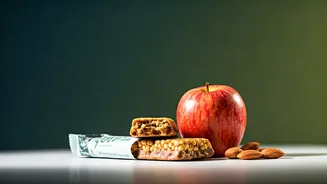
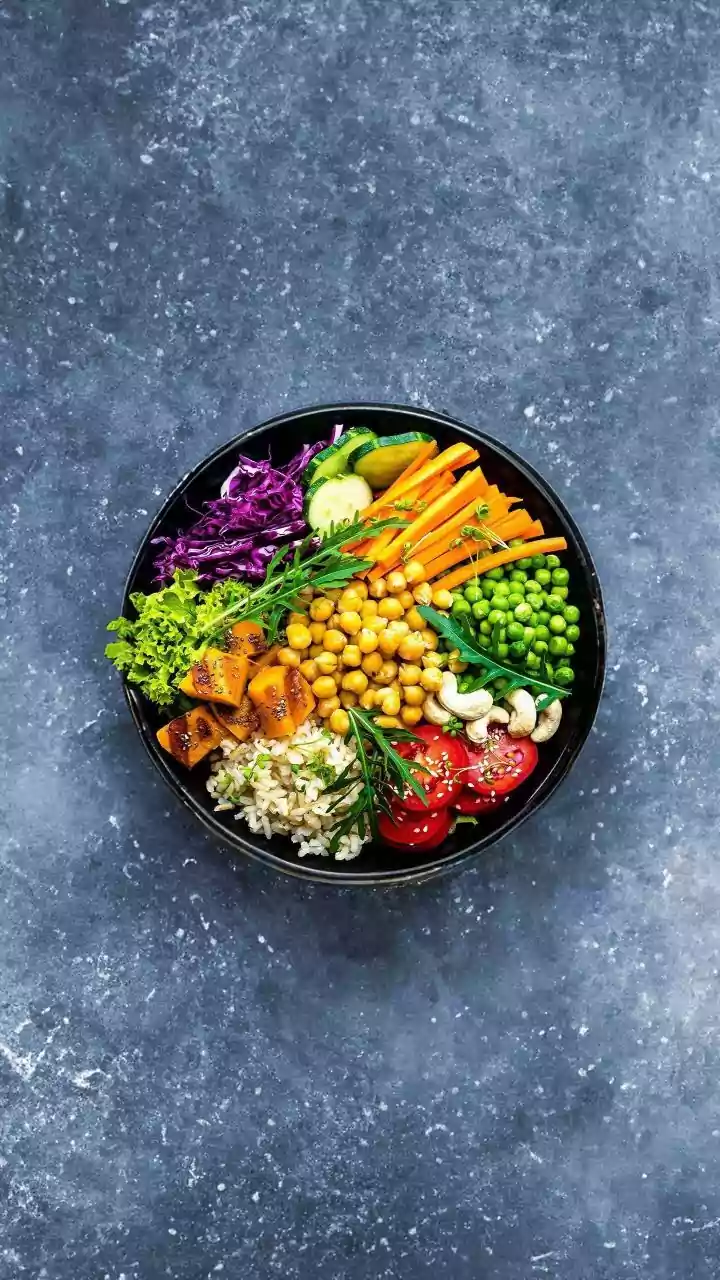
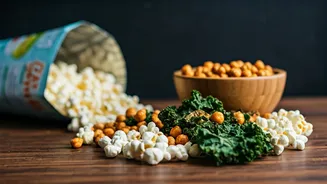
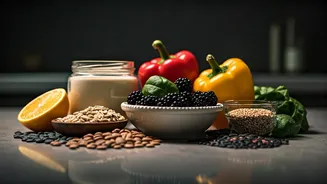
Armed with this knowledge, you can navigate the snack aisle with confidence. Instead of a sugary granola bar, consider a piece of fresh fruit or a small handful of unsalted nuts. Swap flavoured, high-sugar yoghurt for plain Greek yoghurt with your own fresh fruit added. Instead of veggie chips that might be high in sodium and unhealthy fats, try snacking on actual vegetable sticks like carrots or cucumbers. The goal is to choose foods that are as close to their natural state as possible. This doesn't mean you can never enjoy a packaged snack, but it empowers you to make an informed choice rather than being swayed by clever marketing.