





The Wild Heart of Karauli
The Dang region of Karauli, a semi-arid landscape marked by ravines and dry deciduous forests, lies along the border of Rajasthan and Madhya Pradesh. This area, part of which falls into the Kailadevi Wildlife Sanctuary, is a vital ecological corridor
connected to the Ranthambore Tiger Reserve. The terrain is rugged and challenging, dominated by hardy trees like Dhok, Khair, and Tendu. Yet, it's in this harsh environment that a resilient fruit tree, the Ber (Ziziphus mauritiana), flourishes without any human intervention. Often called the 'poor man's apple', this wild plant produces an abundance of fruit during the winter, sustaining local communities and wildlife alike.
The Humble but Mighty Ber
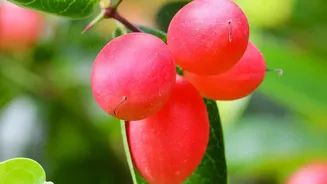
The Ber, also known as the Indian jujube, is a small, tangy-sweet fruit that is a nutritional powerhouse. It grows wild across the subcontinent, thriving in dry conditions where other fruit trees might fail. As it ripens, its skin changes from green to a rustic yellow-brown, and its flavour deepens. Packed with Vitamin C and fibre, the Ber is celebrated in traditional medicine for boosting immunity and aiding digestion. But its significance goes far beyond nutrition. In Karauli's Dang forest, the wild Ber is affectionately known as the 'apple of the forests', a seasonal delicacy that carries with it generations of cultural and spiritual weight.
A Divine Offering in the Ramayana
The Ber is most famously associated with a powerful story of devotion from the epic Ramayana. The tale features Shabari, an elderly tribal woman and a devout follower of Sage Matanga. Before his passing, the sage told her that her devotion would one day be rewarded with a visit from Lord Ram himself. And so, Shabari waited for years, diligently cleaning her hermitage and gathering the sweetest wild Ber fruits each day in anticipation. To ensure she offered only the best, she would taste each berry before placing it in her basket for her divine guest.
The Fruit of Pure Devotion
When Lord Ram and his brother Lakshman finally arrived at her ashram during their search for Sita, Shabari was overcome with joy. She humbly offered them the berries she had so carefully selected. Lakshman was hesitant, pointing out that the fruits were half-eaten and thus impure for offering. But Lord Ram, recognising the purity of her devotion, accepted them with immense love. He explained that the offering, made with such selfless affection, was the sweetest he had ever tasted. This story, known as 'Shabri ke Ber', has become a timeless lesson that true devotion transcends all rituals and rules.
Faith and Forest in Modern Karauli
In the Karauli region, this mythological connection is a part of the living culture. The wild Ber that grows in the Dang is seen by locals through the lens of Shabari's story, elevating it from a simple wild fruit to a sacred offering. This reverence is part of a broader tradition in the region where nature and faith are intertwined. The Kailadevi Wildlife Sanctuary itself is home to numerous sacred groves—patches of forest protected by local communities due to religious beliefs. These groves act as vital pockets of biodiversity. The religious narrative of the Ber fruit serves a similar purpose, instilling a sense of respect for the natural world and reinforcing the idea that the forest's bounty is a divine gift worth preserving.