
From Heirlooms to High Street
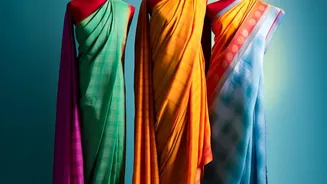
Not long ago, textiles like Banarasi silk, Chanderi, and Khadi were primarily associated with traditional Indian attire. Their richness and intricate craftsmanship made them perfect for momentous occasions but often left them feeling too precious for daily
life. The perception was that these fabrics, steeped in history, belonged in a world of elaborate ceremony, not in the fast-paced context of a modern workday or a casual brunch. This began to change when a new wave of Indian designers looked at these materials not as relics, but as a vibrant, living canvas. They saw the potential to decouple the fabric from its traditional form, preserving the soul of the weave while completely reimagining its function.
The Designers Redefining Tradition
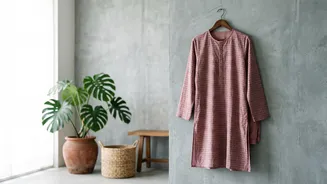
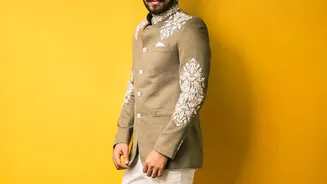
Labels like Payal Khandwala, Anavila Misra, and Raw Mango have been at the forefront of this movement. Payal Khandwala, for instance, is known for taking luxurious handwoven silks and brocades and transforming them into sharp, minimalist separates like trousers, jackets, and tunics. Her approach is to treat the fabric as a medium for contemporary art, focusing on colour and form. Similarly, Anavila Misra almost single-handedly revolutionized linen, once considered too humble for occasion wear, by creating lightweight, modern saris and separates that champion comfort and understated elegance. These designers are not just creating clothes; they are changing perceptions. They prove that a Banarasi weave can be a bomber jacket and that Khadi is perfect for a structured dress.
A New Wardrobe for Modern Life
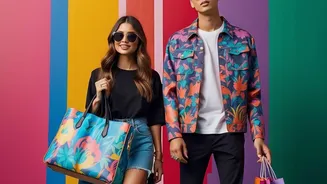
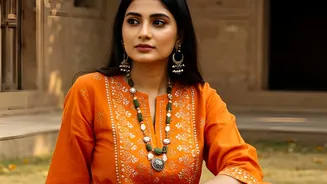
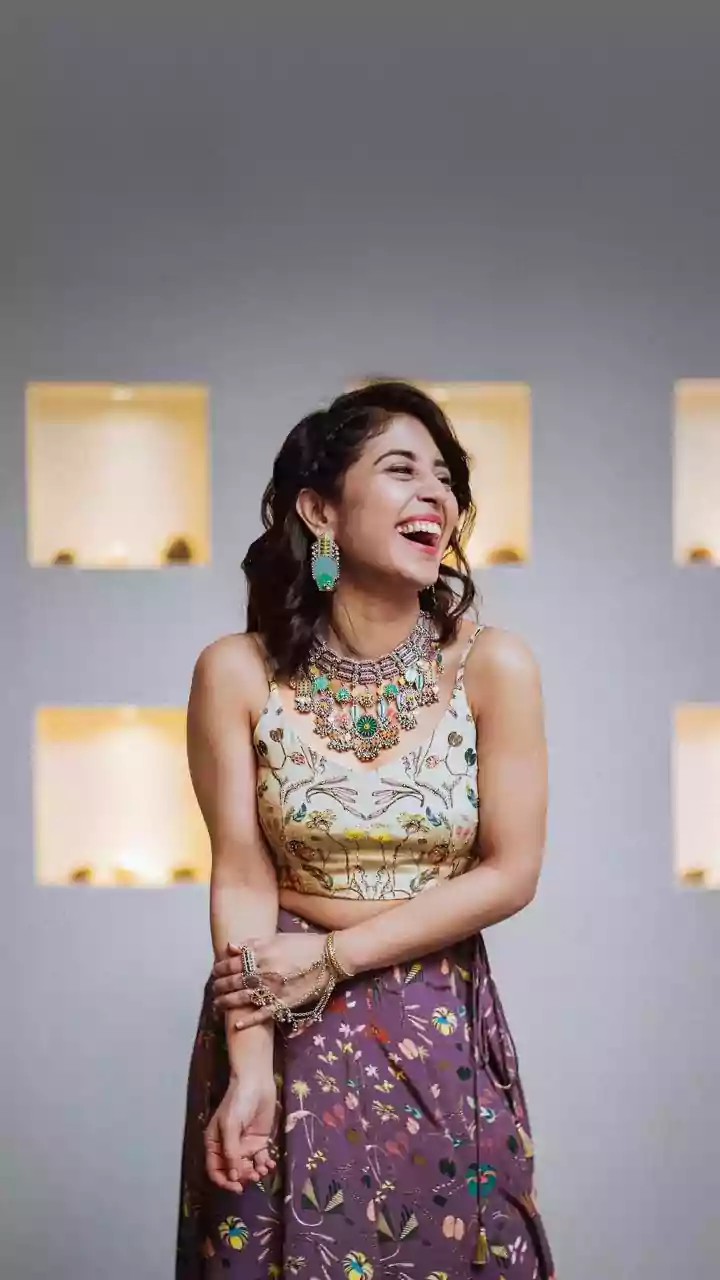
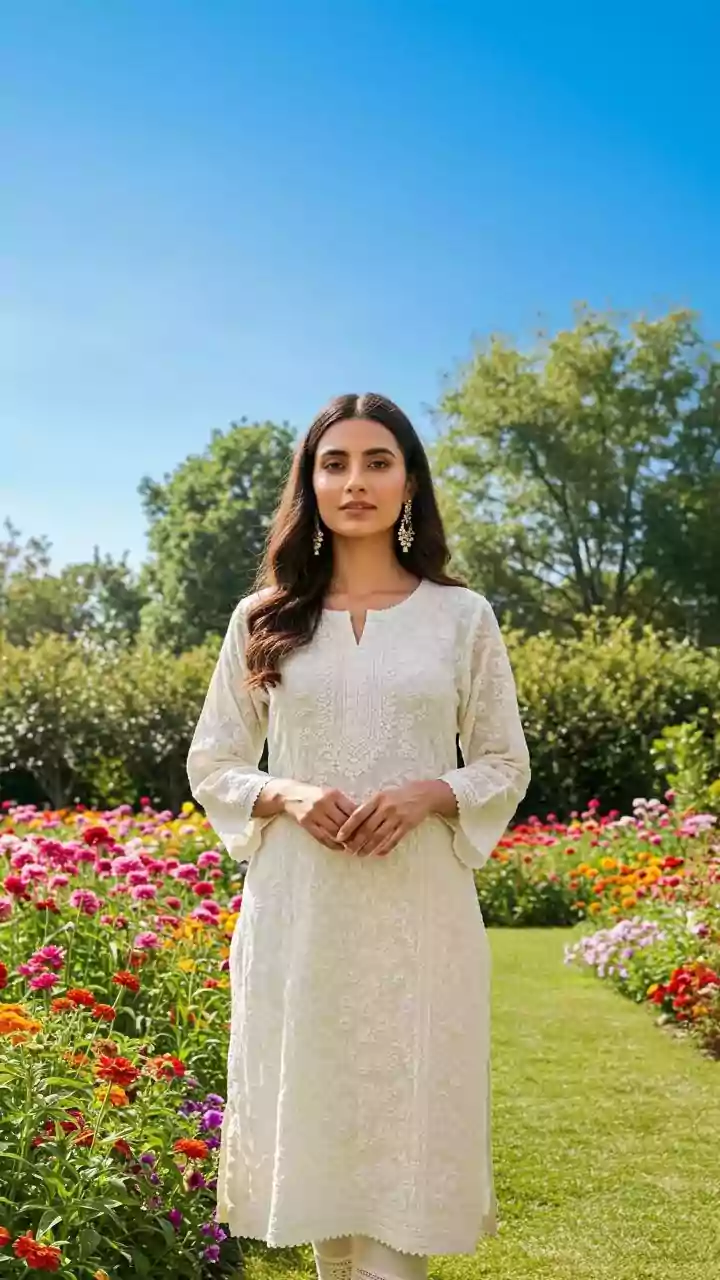
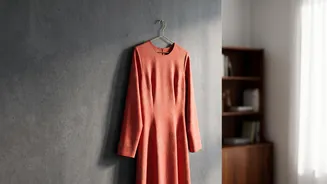
The result is a thrilling expansion of when and where Indian textiles can be worn. Odisha's graphic Ikat patterns now appear on structured blazers fit for the boardroom. The once-humble Khadi, known as the 'fabric of freedom', is being tailored into chic co-ord sets, trousers, and summer dresses. Even the opulent Banarasi silk is being reimagined in lighter weaves and pastel shades, making it more wearable for younger consumers in the form of dresses, shirts, and even handbags. This fusion allows people to incorporate a piece of their heritage into their everyday style, whether it’s a handloom top paired with denim or a block-printed dress for a weekend outing. It makes tradition accessible, comfortable, and deeply personal.
More Than Just a Fashion Statement
This trend carries a significance that extends far beyond aesthetics. By creating consistent, year-round demand for handloom fabrics, designers are providing a vital lifeline to artisan communities across India. The artisan sector is the country's second-largest employer after agriculture, yet many weavers and craftspeople face inconsistent work and low wages. When a designer incorporates Banarasi or Jamdani weaves into a contemporary collection, it creates sustainable livelihoods and helps preserve centuries-old skills that might otherwise be lost to mass production. This movement is a powerful vote for slow, sustainable, and ethical fashion, where the story behind the garment is as important as the garment itself.
The Global Appeal of Indian Modern
This reinterpretation of Indian textiles is also making them more legible and desirable on a global stage. While a traditional sari might be seen as ethnic wear, a beautifully tailored jacket made from the same fabric is understood universally as contemporary fashion. This allows Indian craftsmanship to enter mainstream conversations alongside Italian silks and Japanese denim. By presenting these textiles in modern, versatile silhouettes, designers are showcasing India’s rich craft legacy to a new international audience, one that values authenticity, sustainability, and unique design narratives.