

The Science of a Shooting Star
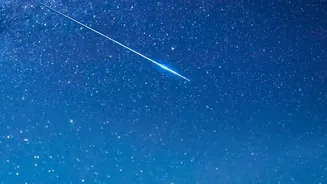
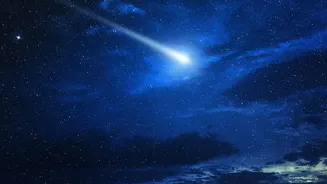
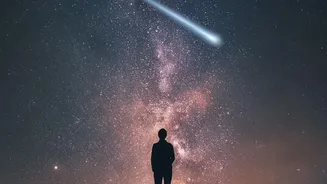
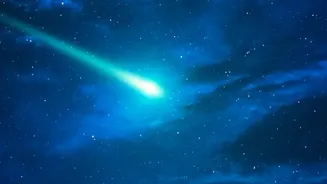
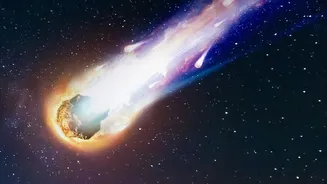
First, let's clarify what we're looking at. Those fleeting streaks of light, often called shooting stars, aren't actually stars at all. They are meteors—tiny bits of space debris, many no bigger than a grain of sand, left behind by comets. The Perseid
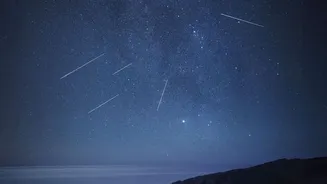
meteor shower, which peaks every year around August 12-13, occurs when Earth passes through the trail of debris left by Comet Swift-Tuttle. As these particles hit our atmosphere at immense speeds, they burn up due to friction, creating the brilliant flashes of light we see from the ground. On a normal night, you might spot a few random meteors, but during a shower, the rate can jump to as high as 50 to 100 per hour under perfect conditions.
The City's Glow: An Enemy to Stargazers
If you live in or near a city, you've probably noticed that you can only see a handful of the brightest stars. This is due to light pollution—the excessive artificial light from streetlights, buildings, and cars that creates a bright haze, or 'skyglow'. This glow washes out the night sky, dramatically reducing the contrast and making it impossible to see fainter celestial objects. The majority of meteors in a shower are faint streaks. In a light-polluted urban area, you might only catch the occasional, exceptionally bright meteor known as a fireball, while missing the dozens of other fainter ones that make the shower a true spectacle. Essentially, the city lights are putting on their own show, and it’s one that overpowers the natural one happening miles above.
Why Rural Skies Reign Supreme
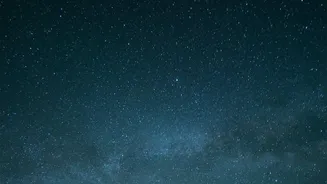
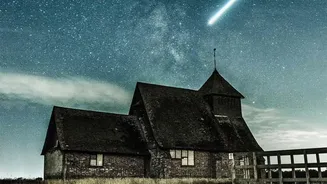
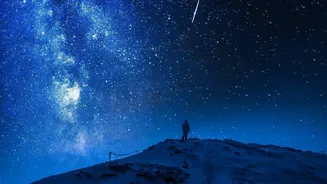
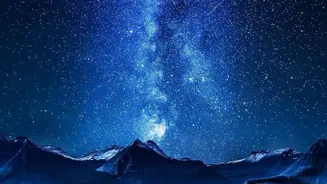
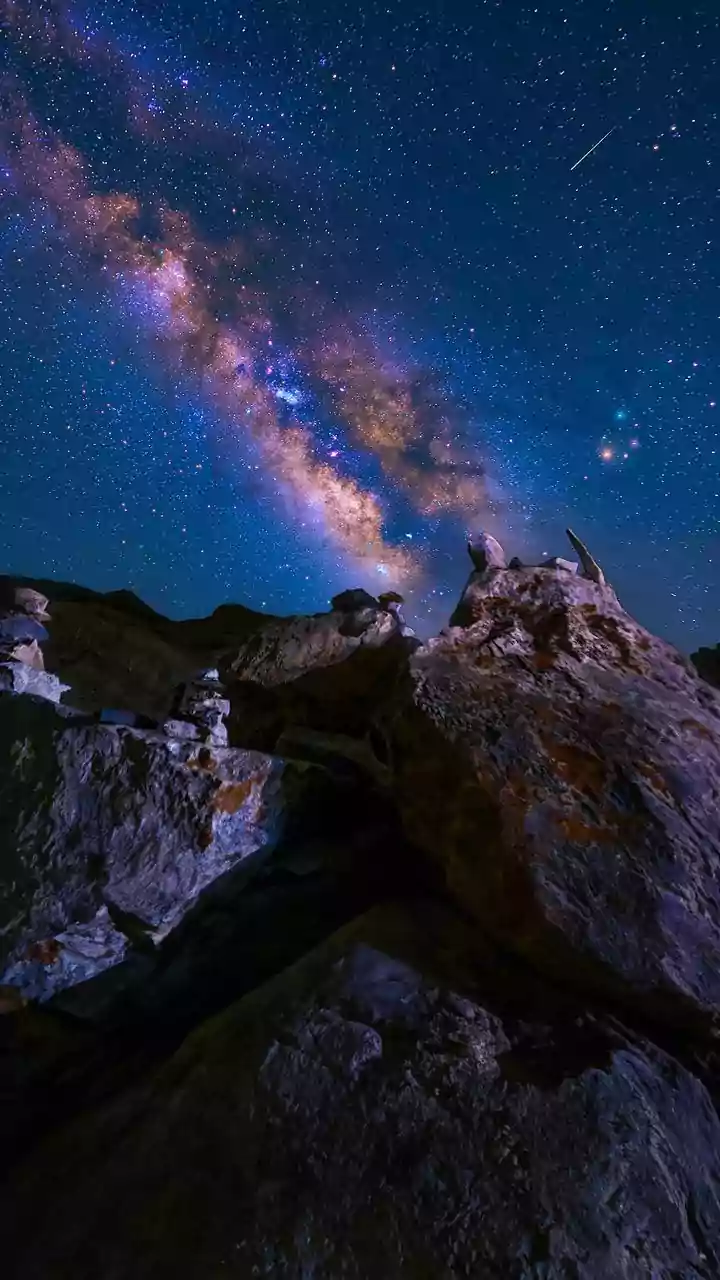
This is where a trip to the countryside makes all the difference. Rural areas, far from the dense clusters of city lights, offer truly dark skies. The difference is astounding. With little to no light pollution, the sky becomes a deep, dark canvas. This darkness allows your eyes to fully dark-adapt, a process that takes about 20-30 minutes and significantly increases your sensitivity to faint light. Against this black backdrop, even the faintest meteors become visible, transforming a sparse display into a steady stream of celestial fireworks. In India, places like Hanle in Ladakh (a designated Dark Sky Reserve), Spiti Valley, the Rann of Kutch, and remote parts of the Western Ghats like Coorg are famous for their pristine night skies, making them ideal destinations for serious stargazers.
Your Guide to the Perfect Viewing Experience
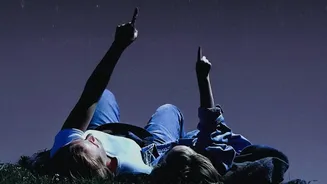
The 2026 Perseid meteor shower is set to peak on the night of August 12-13, and conditions are ideal, with a new moon ensuring the sky is as dark as possible. To make the most of it, you don't need a telescope or binoculars; the naked eye is best for taking in the wide expanse of the sky. Find a safe, open location away from direct lights with an unobstructed view of the horizon. Arrive early, lie back on a blanket or reclining chair, and give your eyes at least 30 minutes to adjust to the darkness. That means putting your phone away—its bright screen will ruin your night vision. The best viewing hours are typically after midnight and into the pre-dawn hours, when the part of the sky the meteors appear to radiate from (the constellation Perseus) is high in the sky. Be patient; meteors often come in spurts.