




An August Unlike Others
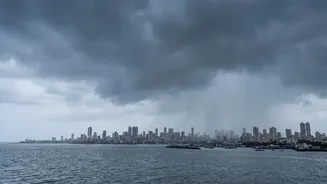
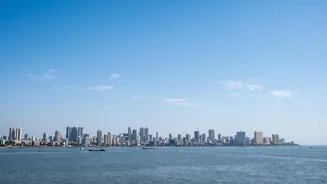
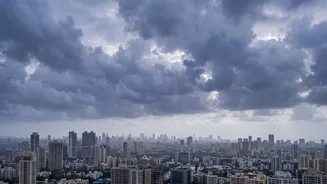
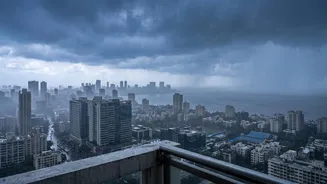
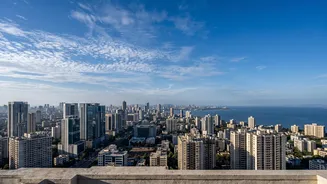
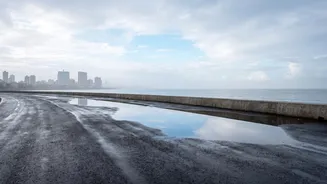
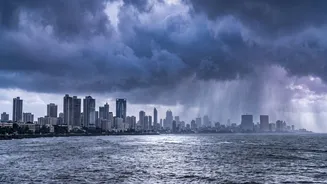
For anyone living in Mumbai, August typically means one thing: rain. It’s the heart of the monsoon, a month associated with torrential downpours, challenging commutes, and the city draped in a sheet of grey. This year, however, has been unusually quiet.
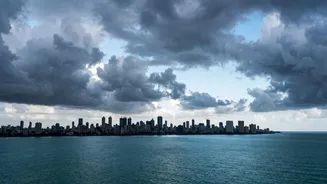
Residents have been met with overcast skies that threaten rain but often deliver only light drizzle or brief, mild showers. While the humidity remains high, the absence of sustained, heavy rainfall is a significant departure from the norm. According to IMD data, the rainfall received in Mumbai from August 1 to 25 was just a fraction of what it was in the same period last year. This has left many wondering if the monsoon has packed up early.
The Science Behind the Dry Spell
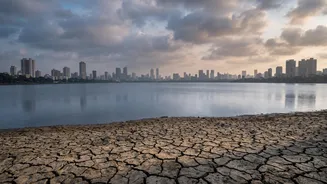
This lull in monsoon activity is what meteorologists call a 'monsoon break'. While it sounds alarming, it's a known phase of the season. However, the timing and intensity of this break are what make the current situation noteworthy. The India Meteorological Department (IMD) had already forecast below-normal rainfall for August across much of the country, linking the trend to the strengthening El Niño phenomenon in the Pacific Ocean. El Niño, a warming of the ocean surface, can disrupt global weather patterns and is often associated with a weaker monsoon in India. This larger climatic factor, combined with the shifting path of low-pressure systems that typically drive rain towards Maharashtra, has contributed to the current dry spell over Mumbai and the wider region.
Impact on the City’s Lifeline
A primary concern during any monsoon break is the impact on the city's water supply. Mumbai is entirely dependent on the rainfall collected in seven key lakes. Thankfully, heavy spells in July have left the reservoirs in a comfortable position. As of August 27, the collective water stock in these lakes stood at a healthy 95.84 per cent of their total capacity. While this is slightly lower than the same time last year, it is higher than in 2024, indicating that for now, the city's water supply is secure. The recent light showers in the catchment areas have helped maintain these levels, but authorities are keeping a close watch. Had the lakes not been nearly full, this extended dry period in August could have been a cause for significant worry.
What Forecasters Are Saying
This quiet phase is not the end of the monsoon. The IMD has forecast that Mumbai will continue to see generally cloudy skies with light to moderate rain for the remainder of the week. Widespread heavy rainfall is not anticipated, though isolated pockets might experience more intense spells accompanied by gusty winds. The larger national forecast suggests that September might also see a deficit in rainfall, as the El Niño effect is expected to become more pronounced. For Mumbaikars, this means the next few weeks are likely to be a mix of cloudy days and occasional light showers, rather than a return to the peak monsoon conditions of July.